Risks to Crop Production in Agriculture (Coursera)

Risks to Crop Production in Agriculture (Coursera)

Learners will be able to describe the crop production cycles of agriculture for annual and permanent crops, explain the financial characteristics and risks of food production, discuss the various types of land ownership and rental agreements for the use of agricultural land, and describe personal, external, and food production risks that influence decision-making in agriculture.

Class Deals by MOOC List - Click here and see Coursera's Active Discounts, Deals, and Promo Codes.

This course is part of the College of ACES suite of online programs, including the graduate-level course, "Risk and Decision-Making in Agriculture" that can be stacked toward a graduate certificate and graduate degree. To learn more about online programs from the College of ACES and explore ways to apply your Coursera work toward a degree program at the University of Illinois, visit ACES Online @ aces.illinois.edu/online.

What you'll learn

  • Crop production cycles for annual and permanent food production crops
  • Financial characteristics, types of land ownership, and volatility of the capital intensive agriculture industry
  • Personal, external, and food production risks that influence decision-making in agriculture

Syllabus

Course Orientation
You will become familiar with the course, your classmates, and our learning environment. The orientation will also help you obtain the technical skills required for the course.

Module 1 | Crop Production Cycle
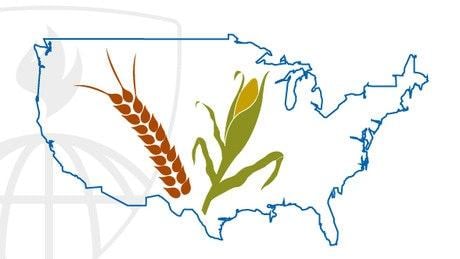
At the conclusion of this module, learners will be able to define a crop, explain the crop production cycles, and describe the characteristics and differences between annual crops and permanent crops.

Module 2 | Financial Characteristics and Risks in Agriculture
At the conclusion of this module, learners will be able to define the characteristics and structure of a farm, explain the financial risks and capital intensity of agriculture, and describe the timing and volatility of cash flow in production agriculture.

Module 3 | Land Tenure
At the conclusion of this module, learners will be able to describe the types of land ownership, explain rental agreement options for agricultural land, and examine concerns of sustainability of agricultural land.

Module 4 | Other Factors Influencing Risk and Decision-Making in Agriculture
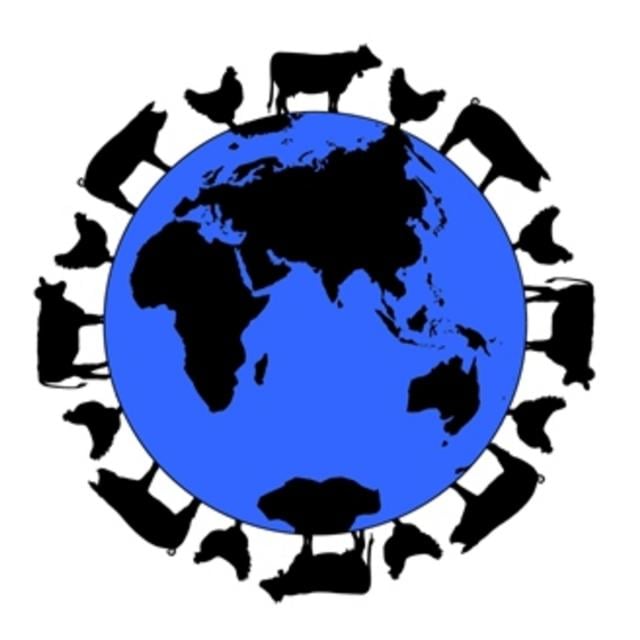
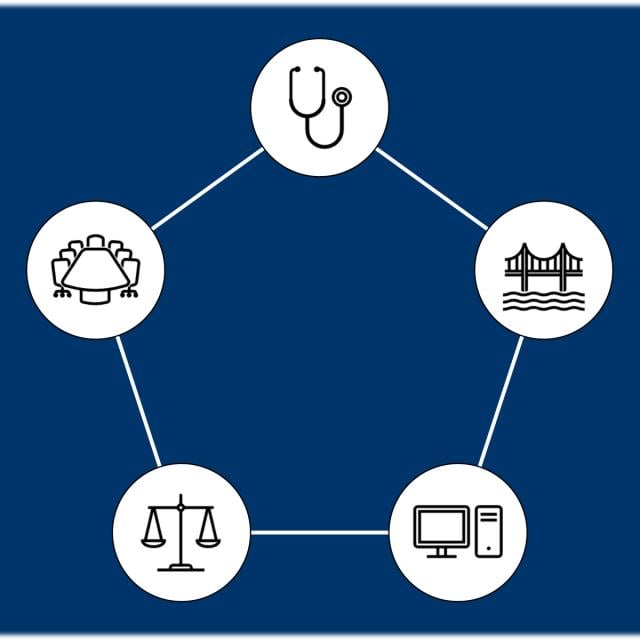
At the conclusion of this module, learners will be able to describe personal, external, and farm production risks that influence decision-making practices. Specifically, learners will investigate policy, global trade, energy use, and legal issues of off-farm and on-farm risks.

Course Conclusion
You are ready to complete the final assessment for the course and earn your Coursera certificate!

Go to Class
MOOC List is learner-supported. When you buy through links on our site, we may earn an affiliate commission.

Related Courses

Sustainable Food Systems (Coursera) Coursera
University of Illinois at Urbana-Champaign

Sustainable Food Systems (Coursera)

Throughout this course, you will delve into the intricate details of the food production system through a system-thinking lens. You will examine the grand challenges faced by the food, fiber, and natural resource industries, and their repercussions on people, the planet, and profit. By the end of this course, you will have a clear understanding of the concept of systems thinking, be able to explain the three key pillars of sustainability and link these pillars to social, environmental, and economic systems.

Aug 10th 2026
5-12 Weeks
Engineering Project Management: Risk, Quality, Teams, and Procurement (Coursera) Coursera
Rice University

Engineering Project Management: Risk, Quality, Teams, and Procurement (Coursera)

Many Project Managers focus only on the scope, schedule and budget. However, a successful project requires that you manage risk, control the quality of the deliverables, engage and manage people and procure goods and services. This course will focus on these key support functions that make the difference between a highly successful project and an average one. During the course, you will prepare a Qualitative Risk Analysis and Evaluate the Cost of Quality for a provided Case Study.

Aug 3rd 2026
5-12 Weeks
Introduction to Risk Management (Coursera) Coursera
New York Institute of Finance

Introduction to Risk Management (Coursera)

What is risk? Why do firms manage risk? In this course, you will be introduced to the different types of business and financial risks, their sources, and best practice methods for measuring risk. This course will help you gauge different risk types and set risk limits, describe the key factors that drive each type of risk, and identify the steps needed to choose probability distributions to estimate risk.

Jul 27th 2026
5-12 Weeks
Empathy, Data, and Risk (Coursera) Coursera
University of Illinois at Urbana-Champaign

Empathy, Data, and Risk (Coursera)

Risk Management and Innovation develops your ability to conduct empathy-driven and data-driven analysis in the domain of risk management. This course introduces empathy as a professional competency. It explains the psychological processes that inhibit empathy-building and the processes that determine how organizational stakeholders respond to risk.

Aug 3rd 2026
4 Weeks
Detect and Mitigate Ethical Risks (Coursera) Coursera
CertNexus

Detect and Mitigate Ethical Risks (Coursera)

Data-driven technologies like AI, when designed with ethics in mind, benefit both the business and society at large. But it’s not enough to say you will “be ethical” and expect it to happen. We need tools and techniques to help us assess gaps in our ethical behaviors and to identify and stop threats to our ethical goals. We also need to know where and how to improve our ethical processes across development lifecycles.

Jul 27th 2026
5-12 Weeks
What is Corruption: Anti-Corruption and Compliance (Coursera) Coursera
University of Pennsylvania

What is Corruption: Anti-Corruption and Compliance (Coursera)

Have you ever paid someone for doing you a favor? You may be accustomed to tipping wait staff or other service providers, but what if you paid a police officer for NOT issuing a parking ticket? Or if you gave a “gift” to a government official for signing a contract with your company? Tipping might be okay, but paying a bribe is a violation of the law. Bribery is widespread and exists almost everywhere and in many forms. Compliance programs address this and other forms of corruption.

Jul 27th 2026
4 Weeks
Financial Markets (Coursera) Coursera
Yale University

Financial Markets (Coursera)

An overview of the ideas, methods, and institutions that permit human society to manage risks and foster enterprise. Emphasis on financially-savvy leadership skills. Description of practices today and analysis of prospects for the future. Introduction to risk management and behavioral finance principles to understand the real-world functioning of securities, insurance, and banking industries. The ultimate goal of this course is using such industries effectively and towards a better society.

Aug 3rd 2026
5-12 Weeks
Legal Contracts and Agreements for Entrepreneurs (Coursera) Coursera
University of Maryland, College Park

Legal Contracts and Agreements for Entrepreneurs (Coursera)

This course focuses on how legal contracts may impact or impede the success of aspiring and active entrepreneurs. We explore a wide variety of legal considerations, including: * What types of legal contracts and agreements are appropriate for which entrepreneurial activities and actions? * What is the role of torts, liability, and negligence in creating and managing products and services? * How should contracts and sales agreements be created, evaluated, and negotiated? * What legal considerations are applicable when raising financial capital?

Jul 27th 2026
4 Weeks
The GRC Approach to Managing Cybersecurity (Coursera) Coursera
University System of Georgia

The GRC Approach to Managing Cybersecurity (Coursera)

Managing cybersecurity is about managing risk, specifically the risk to information assets of valued by an organization. This course examines the role of Governance, Risk Management, and Compliance (GRC) as part of the Cybersecurity management process, including key functions of planning, policies, and the administration of technologies to support the protection of critical information assets.

Jul 27th 2026
5-12 Weeks
Dominant Risk Management Standards and Frameworks (Coursera) Coursera
University System of Georgia

Dominant Risk Management Standards and Frameworks (Coursera)

Organizations with little experience in risk management will want to look to national and international organizations for guidance in designing and implementing their risk management efforts. There are two dominant organizations that offer guidance in this area: the U.S. National Institute for Standards in Technology (NIST) and the International Standards Organization.

Jul 27th 2026
5-12 Weeks
Portfolio Selection and Risk Management (Coursera) Coursera
Rice University

Portfolio Selection and Risk Management (Coursera)

When an investor is faced with a portfolio choice problem, the number of possible assets and the various combinations and proportions in which each can be held can seem overwhelming. In this course, you’ll learn the basic principles underlying optimal portfolio construction, diversification, and risk management. You’ll start by acquiring the tools to characterize an investor’s risk and return trade-off. You will next analyze how a portfolio choice problem can be structured and learn how to solve for and implement the optimal portfolio solution. Finally, you will learn about the main pricing models for equilibrium asset prices.

Jul 27th 2026
5-12 Weeks