Molecular Tumoral Board 2020-21 (Coursera)

Molecular Tumoral Board 2020-21 (Coursera)

Se trata de un curso que nace a raíz de una de las sesiones formativas que realiza cada 15 días el Servicio de Oncología Médica del Hospital Clínic de Barcelona (HCB). En este curso se presentan casos clínicos simulando un MTB de tumores sólidos, con un objetivo principal, mejorar el conocimiento específico del impacto clínico del perfil molecular en tumores sólidos. Está destinado a médicos oncólogos y a estudiantes y profesionales vinculados a la oncología médica. Cada seminario que conforma el curso lo presenta un profesional de una patología diferente del Servicio de Oncología Médica del HCB.

Class Deals by MOOC List - Click here and see Coursera's Active Discounts, Deals, and Promo Codes.

Syllabus

WEEK 1: GERMLIME - Breaking myths. Is lung cancer a hereditary disease?
WEEK 2: MESO - How can a typical EGFR+ case, became atypical
WEEK 3: BREAST - Is there any role for precision medicine in triple negative breast cancer?
WEEK 4: URO-MESO - Clinical and Mutational Lanscape of Lethal Castrate Resistant prostate Cancer
WEEK 5: LUNG - Off-label treatments really work?
WEEK 6: PANCREAS - Precision medicine, is not only about somatic
WEEK 7: COLON - Why doesn't immunotherapy work for everyone?
WEEK 8: UPPER GI - Screening molecular in orphan tumors
WEEK 9: BREAST - Beyond actionable mutations

Go to Class
MOOC List is learner-supported. When you buy through links on our site, we may earn an affiliate commission.

Related Courses

Understanding Medical Research: Your Facebook Friend is Wrong (Coursera) Coursera
Yale University

Understanding Medical Research: Your Facebook Friend is Wrong (Coursera)

How can you tell if the bold headlines seen on social media are truly touting the next big thing or if the article isn't worth the paper it's printed on? Understanding Medical Studies, will provide you with the tools and skills you need to critically interpret medical studies, and determine for yourself the difference between good and bad science. The course covers study-design, research methods, and statistical interpretation. It also delves into the dark side of medical research by covering fraud, biases, and common misinterpretations of data. Each lesson will highlight case-studies from real-world journal articles.

Nov 30th 2026
5-12 Weeks
Lymphoedema: Monitoring & Intervention After Breast Cancer (Coursera) Coursera
Macquarie University

Lymphoedema: Monitoring & Intervention After Breast Cancer (Coursera)

Lymphoedema following breast cancer treatment is a poorly understood and under-researched condition which can significantly impact physical and psychological function, reduce quality of life and result in substantial cost burdens to both patients and the healthcare system. In these interactive modules we will cover an introduction to lymphoedema, lymphatic physiology and anatomy, assessment and treatment, as well as utilise case studies to understand the prospective surveillance and early intervention model of care in breast cancer rehabilitation.

Nov 30th 2026
4 Weeks
Sustainable Food Production Through Livestock Health Management (Coursera) Coursera
University of Illinois at Urbana-Champaign

Sustainable Food Production Through Livestock Health Management (Coursera)

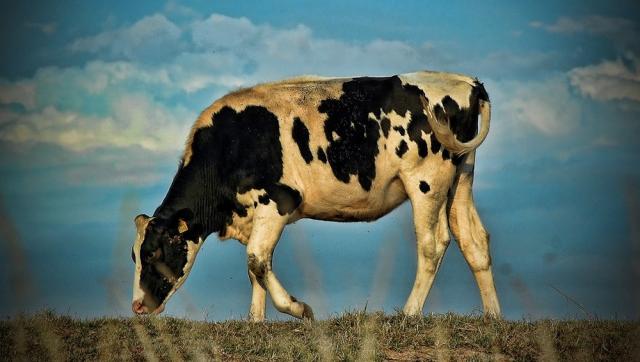
Learn about the impact of infectious disease on sustainable animal-based food production by understanding the science of growth, immunity, and infection and by learning the problem-solving skills needed to advance animal health and food production through optimal management practices. In this course we will explore the effect of infectious disease on sustainable animal-based food production. The content and learning outcomes of this new course will be designed to be relevant across different food production sectors (i.e., beef, dairy, poultry, and pigs).

Nov 30th 2026
5-12 Weeks
The Oral Cavity: Portal to Health and Disease (Coursera) Coursera
University of Pennsylvania

The Oral Cavity: Portal to Health and Disease (Coursera)

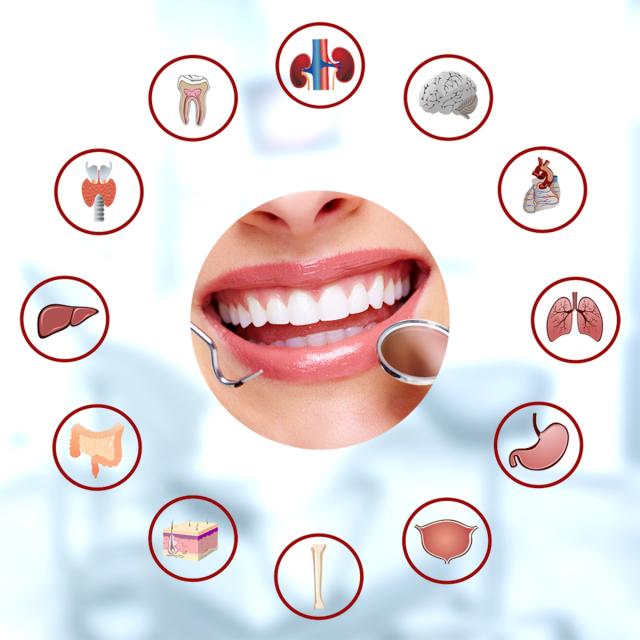
This course will focus on the interprofessional realtionship of dentistry and medicine. For each session, the medical specialist will present a broad overview of specific disease entity which will be followed by a dental educator discussing the relevant oral manifestations and implications. The final module of each session will be devoted to the interaction between the dental and other health care professionals.

Nov 30th 2026
5-12 Weeks
Global Health Policy (Coursera) Coursera
The University of Tokyo

Global Health Policy (Coursera)

In this course, learners will become familiar with principles and theories of global health problems, and major challenges and controversies in improving global population health as well as practical applications of quantitative methods to analyze and interpret issues and challenges for policy. Topics will include health and foreign policy, health governance, acute disease surveillance, non-communicable diseases, burden of disease, universal health coverage, health systems strengthening, health financing, and human resources for health and ageing.

Nov 30th 2026
4 Weeks
Urbanisation and Health - Promoting Sustainable Solutions (Coursera) Coursera
University of Copenhagen

Urbanisation and Health - Promoting Sustainable Solutions (Coursera)

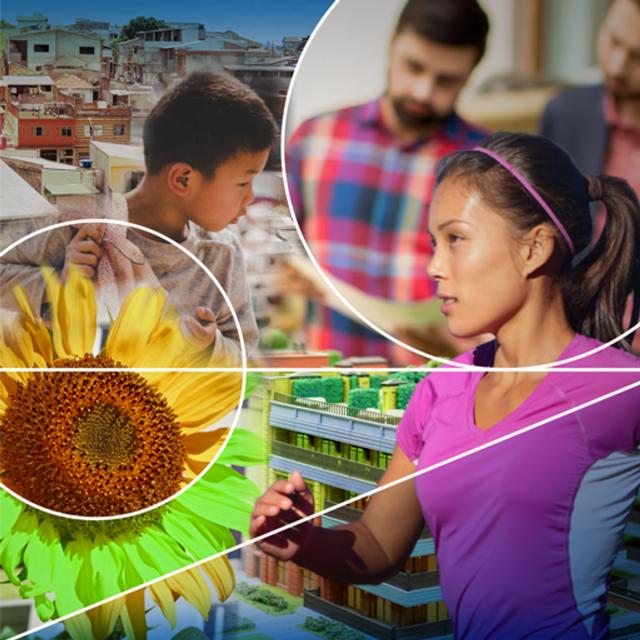
More than half of world’s population lives in cities while only 5% did so in the 18th century. The rapid urbanisation has resulted in for example inadequate infrastructure, physical inactivity, gentrification, air pollution, and growing numbers of slum dwellers. All factors challenging health and wellbeing of the people living in the cities. In addition, when addressing climate change it has become of paramount importance to look at mitigation and adaptation investments tailored to the urban context.

Nov 30th 2026
5-12 Weeks
Introduction to Breast Cancer (Coursera) Coursera
Yale University

Introduction to Breast Cancer (Coursera)

Welcome to an Introduction to Breast Cancer! In this course, we’ll learn a bit about the leading cause of cancer in women worldwide – from the basic biology of the disease, to risk factors and prevention, to treatment modalities to survivorship. We’ll talk to leading experts, explore some of the milestone studies that have pushed this field forward, and have interactive discussions on discussion boards and social media. You’ll even have an opportunity to let us know what topics you want to cover on tweetchats, so we can try to make the content fit your interests.

Nov 30th 2026
5-12 Weeks
Public Health Perspectives on Sustainable Diets (Coursera) Coursera
Johns Hopkins University

Public Health Perspectives on Sustainable Diets (Coursera)

What we eat and how we produce that food have significant effects on human health and the sustainability of our planet. But what is a ‘sustainable’ diet? A sustainable diet, as defined by the FAO, promotes health and well-being and provides food security for the present population while sustaining human and natural resources for future generations. This short course looks at the urgent need to address the sustainability of our food systems, including better understanding the complex relationship between diet and climate change. We’ll explore current research on dietary shifts needed in high, middle, and low-income countries to achieve both sustainability and food security goals and discuss evidence-based strategies to promote sustainable diets.

Nov 30th 2026
3 Weeks
Population Health: Alternative Payment Models (Coursera) Coursera
Leiden University

Population Health: Alternative Payment Models (Coursera)

The way we currently pay our care providers lead to suboptimal outcomes and unnecessary spending. Consequently, we fail to maximize the value of our health care services. We need to change provider payment models in order to keep health care systems financial sustainability. Doing nothing is not an option. But the question is, how do we do it?

Nov 30th 2026
4 Weeks
Ecosystems of California (Coursera) Coursera
University of California, Santa Cruz

Ecosystems of California (Coursera)

This course surveys the diversity, structure and functioning of California’s ecosystems through time and the ways they have influenced and responded to human activities and stewardship. Topics include ecosystem drivers such as climate, soils, and land use history; human and ecological prehistory of the state; comparative marine, freshwater, and terrestrial ecosystem dynamics; and managed ecosystems such as range, fisheries and agriculture in California.

Nov 30th 2026
5-12 Weeks
Systems Thinking In Public Health (Coursera) Coursera
Johns Hopkins University

Systems Thinking In Public Health (Coursera)

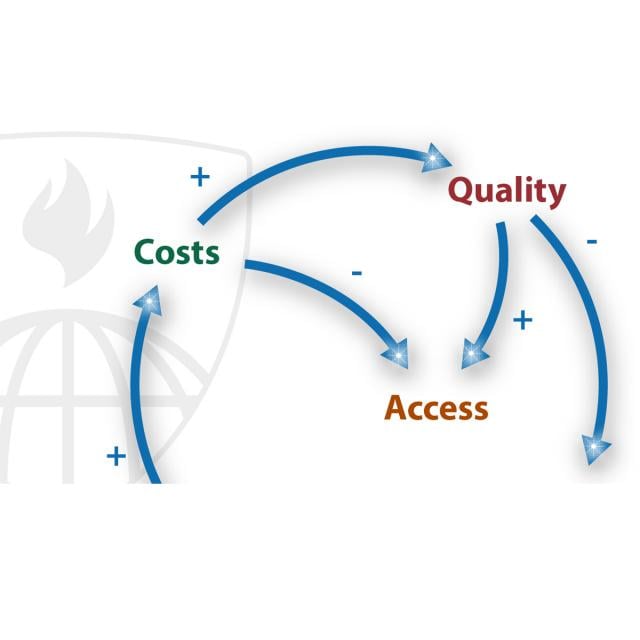
This course provides an introduction to systems thinking and systems models in public health. Problems in public health and health policy tend to be complex with many actors, institutions and risk factors involved. If an outcome depends on many interacting and adaptive parts and actors the outcome cannot be analyzed or predicted with traditional statistical methods. Systems thinking is a core skill in public health and helps health policymakers build programs and policies that are aware of and prepared for unintended consequences.

Nov 30th 2026
4 Weeks