The Lancet Maternal Health Series: Global Research and Evidence (FutureLearn)

The Lancet Maternal Health Series: Global Research and Evidence (FutureLearn)

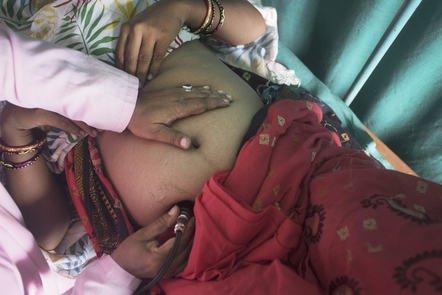
Hear the latest expert evidence from The Lancet Maternal Health Series and learn what you can do to improve maternal healthcare. Imagine a woman in a remote village, perhaps in Africa or South Asia. She’s giving birth at home with a relative. Without access to drugs or transport, she could die. While maternal deaths have nearly halved in the past 25 years worldwide, thanks to the increased use of maternity services, progress has not been universal.

Class Deals by MOOC List - Click here and see FutureLearn's Active Discounts, Deals, and Promo Codes.

This online course explores the state of maternal health globally, based on The Lancet Maternal Health Series. You will review the latest evidence from experts, and learn what is needed to ensure good-quality, woman-centred maternal healthcare for all.

What topics will you cover?

  • The shifting burden of the epidemiology of global maternal health, how it has changed and key drivers
  • Capability and coverage of maternal health care including where and how women give birth; linking women to routine and emergency care; facility capability and staffing
  • Quality maternal health care and how it relates to evidence-based medicine and respectful care
  • Poor quality maternal health care including “too much, too soon” and “too little, too late”, and how care can be improved
  • Navigating the future of global maternal health including evolving priorities, challenges and opportunities in the Sustainable Development
  • Goal era including shocks; innovations; partnership and advocacy; financing; developing better data collection and research

What will you achieve?
By the end of the course, you'll be able to...

  • Discuss the state of the world’s maternal health and health care.
  • Investigate quality maternal health care, including the extremes of 'too little, too late' and 'too much, too soon'.
  • Explore and reflect on the future of maternal health.
Go to Class
MOOC List is learner-supported. When you buy through links on our site, we may earn an affiliate commission.

Related Courses

The Genomics Era: the Future of Genetics in Medicine (FutureLearn) FutureLearn
St George's, University of London,St George's University Hospitals NHS Foundation Trust

The Genomics Era: the Future of Genetics in Medicine (FutureLearn)

Get an introduction to the growing role of genomics in healthcare, for patient diagnoses, treatment and disease prevention. This free online course will provide healthcare professionals with a basic grounding in genomic medicine. It will introduce you to new genomic technologies, which are revolutionising medicine and will, in time, provide the mainstay of patient diagnosis, treatment and disease prevention.

Self Paced
5-12 Weeks
Liver Disease: Looking After Your Liver (FutureLearn) FutureLearn
University of Birmingham

Liver Disease: Looking After Your Liver (FutureLearn)

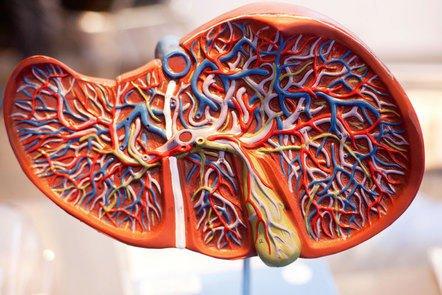
Learn about how your liver works, ways to look after it and how liver damage is caused, studied and treated around the world. We are currently experiencing an international explosion of liver disease that continues to have enormous impact upon healthcare systems and global health. In the UK we have seen a 20% increase in deaths related to liver disease since 2000 and this pattern reflects the global situation.

Self Paced
3 Weeks
Medical Humanity: Engaging Patients and Communities in Healthcare (FutureLearn) FutureLearn
Taipei Medical University

Medical Humanity: Engaging Patients and Communities in Healthcare (FutureLearn)

Find out how and why you should engage patients and communities in the development of new healthcare technology and treatments. The development of healthcare treatments has given people hope to fight diseases. However, humans are born to be afraid of advanced technologies. As such, it is critical that medical professionals have the skills to explain the benefits of treatments to patients and, ideally, involve them in the development of new treatments in the first place.

Self Paced
3 Weeks
Biochemistry: the Molecules of Life (FutureLearn) FutureLearn
University of East Anglia

Biochemistry: the Molecules of Life (FutureLearn)

Explore the impact of biochemistry on bioenergy and health, discovering why graduates are in demand; with the Biochemical Society. Biochemistry brings together all of the sciences to study the chemical and physical processes that occur in living organisms. It truly is the science of life. As a scientific discipline in its own right, biochemistry has a major impact on all areas of the life sciences and biochemists are in high demand among employers.

Self Paced
3 Weeks
Perioperative Medicine in Action (FutureLearn) FutureLearn
University College London

Perioperative Medicine in Action (FutureLearn)

Explore perioperative medicine and how you can improve care for the high risk surgical patient. Join this RCoA endorsed course. Too many patients die or suffer prolonged complications following surgery. Perioperative medicine is an emerging, multi-disciplinary approach, which tackles this issue, by optimising the care of high-risk surgical patients. It encompasses disciplines including anaesthetics, surgery, nursing, care of the elderly, physiotherapy and healthcare management.

Self Paced
4 Weeks
Improving Health Assessments for People with an Intellectual Disability (FutureLearn) FutureLearn
Trinity College Dublin,EIT Health

Improving Health Assessments for People with an Intellectual Disability (FutureLearn)

Learn how to improve healthcare for people with intellectual disabilities with this course for healthcare professionals. Detecting poor health and supporting people with an intellectual disability in managing their health can be challenging for healthcare professionals. During this course, you will gain valuable knowledge that you can transfer into your daily practice on how to include people with an intellectual disability in health assessments.

Self Paced
3 Weeks
Causes of Human Disease: Understanding Causes of Disease (FutureLearn) FutureLearn
University of Leeds

Causes of Human Disease: Understanding Causes of Disease (FutureLearn)

Learn the epidemiological methods used to understand the causes of diseases and how social factors influence their development. What causes human disease? Why do some people get a disease but others don’t? Through this course, you’ll learn how epidemiologists are helping to find answers to these complex questions and how the health of a population is measured and analysed.

Self Paced
2 Weeks
Digital Health for Cancer Management: Smart Health Technologies in Complex Diseases (FutureLearn) FutureLearn
Taipei Medical University

Digital Health for Cancer Management: Smart Health Technologies in Complex Diseases (FutureLearn)

Learn how new digital health technologies are transforming cancer management with this course for healthcare professionals. Recent advances in cancer treatment and management have lead to people with cancer living longer than ever before, now healthcare must begin to consider how to help people with cancer live healthily. On this course you will explore and discuss how new digital health technologies, like wearables, social media and home sensors, are starting to transform the management of cancer.

Self Paced
4 Weeks
Introduction to Emergency Contraception (FutureLearn) FutureLearn
University of East Anglia

Introduction to Emergency Contraception (FutureLearn)

Understand emergency contraception and the choices available with this course for people working in healthcare and related fields. Emergency contraception can be confusing, with different types available and public understanding sometimes limited. On this course you will master the basics of emergency contraception: learning about the different types of post-coital contraception, exploring clinical guideliness; and working out which type of contraception is appropriate in different situations.

Self Paced
3 Weeks
Discovering Science: Medicinal Chemistry (FutureLearn) FutureLearn
University of Leeds

Discovering Science: Medicinal Chemistry (FutureLearn)

What role does chemistry play in healthcare and our ability to diagnose and treat patients? Discover how chemotherapy has evolved, and some of the breakthroughs and developments chemists have made in the fight against cancer over the last 10 years. Diagnostic imaging examines how scientists learn about, and treat, the inside of the body without invasive surgery. You’ll explore how modern imaging techniques diagnose problems quickly and safely, and how diseases which may not previously have been picked up are identified.

Self Paced
2 Weeks
Infant Nutrition: from Breastfeeding to Baby's First Solids (FutureLearn) FutureLearn
Deakin University

Infant Nutrition: from Breastfeeding to Baby's First Solids (FutureLearn)

Learn what good infant nutrition looks like, how and what to feed a baby, and how to start weaning. Explore the principles of good nutrition in the first 12 months of a baby’s life. In this insightful course led by nutritional experts from Deakin University, you’ll trace the milestones in a baby’s first year of life to learn about the principles of good infant nutrition and how you can apply them. You’ll explore the nutritional requirements of young children, as well as why healthy food for babies is so essential.

Self Paced
2 Weeks
ECG Assessment: an Introduction for Healthcare Providers (FutureLearn) FutureLearn
St George's, University of London

ECG Assessment: an Introduction for Healthcare Providers (FutureLearn)

Understand the principles of electrocardiography and learn a step-by-step approach to the ECG test, with this free online course. The electrocardiograph (also known as electrocardiogram) or ECG is a non-invasive diagnostic procedure, commonly used to assess people with known or suspected heart disease, in a variety of healthcare settings. Competent recording, reading and interpretation is vital to ensure safe and effective care, yet ECGs are commonly undertaken by unqualified and junior staff, who have received little training.

Self Paced
2 Weeks