Introdução à Guitarra (Coursera)

Introdução à Guitarra (Coursera)

Compreenda os fundamentos necessários para começar a tocar guitarra elétrica ou acústica (violão). Você aprenderá uma abordagem fácil para tocar rapidamente, por meio de uma combinação de exploração do instrumento, técnicas de execução e teoria musical básica.

Class Deals by MOOC List - Click here and see Coursera's Active Discounts, Deals, and Promo Codes.

Para estudantes que desejam tocar guitarra acústica ou elétrica há muito tempo, este curso proporcionará acesso fácil aos fundamentos que tornarão isso possível. Ao começar a aprender a tocar guitarra acústica ou elétrica, é importante ter o material apresentado em etapas, de um modo agradável que permita que você compreenda os fundamentos do instrumento e da música. O curso começa de modo simples, com as partes da guitarra, os nomes das cordas, afinação e técnica — seja utilizando os dedos ou a palheta. Depois, explora os fundamentos da teoria musical, com tópicos como escalas, tríades, power chords, digitação e formatos.
Ao final deste curso, os estudantes compreenderão a estrutura, as partes e os acessórios do instrumento, além de aspectos de manutenção básica. Os guitarristas aprenderão a execução do instrumento juntamente com opções básicas de amplificação, pedais de efeito e sons. Os estudantes também aprenderão a desenvolver a técnica correta e a aplicar conceitos teóricos à sua execução. Eles adquirirão o conhecimento fundamental necessário para prosseguir em cursos de guitarra mais intermediários.

Syllabus

WEEK 1
Boas vindas!
Bem-vindo ao curso! Aqui, trataremos de todos os detalhes a respeito do curso e o que você precisará saber para tirar o melhor proveito de sua experiência.
Guitarra Acústica/Elétrica e os Fundamentos
Esta aula ensinará os nomes das partes da guitarra acústica/elétrica e deixará você à vontade com o instrumento.

WEEK 2
Começando - Habilidades fundamentais para a guitarra
Nesta aula, você aprenderá a afinar e começará a tocar seu instrumento começando do zero! Seja paciente e lembre-se: concentre-se na precisão e toque em tempo constante, usando seu metrônomo. Isso é muito mais importante do que tocar com velocidade.

WEEK 3
Os doze semitons e notação básica
Embora você não precise ser um especialista em teoria musical para tocar guitarra, é importante conhecer os blocos básicos de construção da música. Com essa compreensão, a música não estará mais envolta em mistério e complexidade. Esta aula apresenta ideias musicais fundamentais de um modo divertido e não intimidador.

WEEK 4
Escalas: construção e digitação
Nesta aula, vamos nos aprofundar nas escalas. Não se intimide. Alguns de vocês podem ter ouvido falar em escalas ou mesmo praticado escalas. Pode ter sido em aulas de piano. Muito provavelmente, não foi muito entusiasmante para vocês. Esperamos que você considere a abordagem de escalas da aula 4 muito mais fácil e até mesmo divertida.

WEEK 5
Acordes: construindo tríades simples e power chords
Nesta lição, você usará todas as habilidades adquiridas nas lições anteriores para construir a base da harmonia. Você tocará certas notas da escala ao mesmo tempo para criar acordes. Vamos ver por que os acordes soam como eles soam, como construí-los, como tocar facilmente acordes em posição aberta, e como tocar acordes por todo o braço do instrumento.

WEEK 6
Juntando tudo: a escala pentatonic e músicas
Agora que você tem a “ciência” da guitarra nas mãos, você aprenderá algumas músicas. Você fará isso usando a melodia (das escalas) e a harmonia (dos acordes) que aprendemos. Você também aprenderá uma escala essencial para tocar melodias e fazer solos
Go to Class
MOOC List is learner-supported. When you buy through links on our site, we may earn an affiliate commission.

Related Courses

Electronic Music Performance Techniques (Coursera) Coursera
Berklee College of Music

Electronic Music Performance Techniques (Coursera)

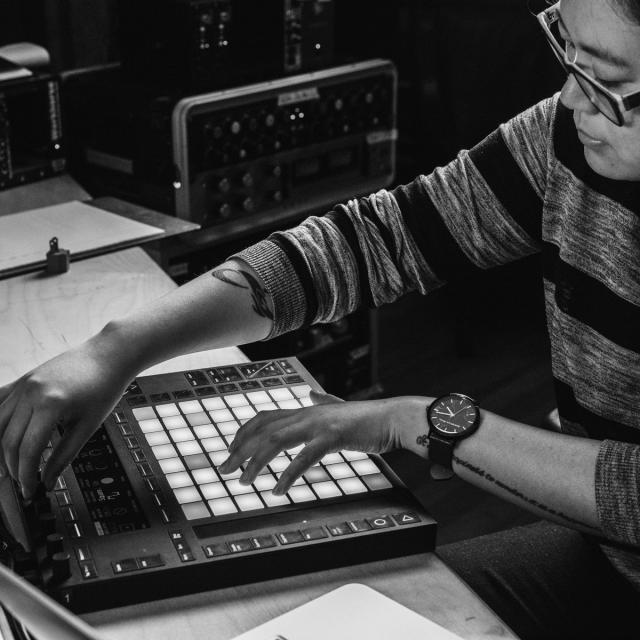
From the Moog analog synthesizers in the 1960s to the contemporary usage of computers, performance controllers, and mobile devices, Electronic Digital Instruments (EDIs) have long been capable of offering artists a new range of musical expression. In this one-of-a-kind course, you'll learn the essential skills you need to perform on an EDI.

Sep 28th 2026
4 Weeks
Korean Music, A Philosophical Exploration (Coursera) Coursera
Sungkyunkwan University - SKKU

Korean Music, A Philosophical Exploration (Coursera)

This course introduces Korean philosophy projected into the subject of Korean music, especially K-POP, which is drawing global attention today. We confirm that Korea's unique philosophy was the basis for maintaining originality while being universally accepted by many people, and seek the role of philosophy for the continuous development and spread of Korean music.

Oct 5th 2026
5-12 Weeks
Music and Social Action (Coursera) Coursera
Yale University

Music and Social Action (Coursera)

What is a musician’s response to the condition of the world? Do musicians have an obligation and an opportunity to serve the needs of the world with their musicianship? At a time of crisis for the classical music profession, with a changing commercial landscape, a shrinking audience base, and a contraction in the number of professional orchestras, how does a young musician construct a career today? Are we looking at a dying art form or a moment of reinvigoration?

Oct 5th 2026
5-12 Weeks
Jazz Improvisation (Coursera) Coursera
Berklee College of Music

Jazz Improvisation (Coursera)

Learn the basic concepts of improvisation from Gary Burton, one of the most renowned improvisers in the jazz world, including the mental, melodic, and harmonic processes that contribute to the instinctive skills that an improviser puts to use when taking a solo. While many people are fans of jazz and understand that musicians are often “making up” the notes they are playing during a performance, most people—often including musicians, themselves, who are beginning to learn improvising—aren’t clear about what exact processes take place to enable this to happen. The purpose of this course is to introduce the basic concepts of modern improvisation and how to go about mastering the different musical and mental skills involved.

Oct 5th 2026
5-12 Weeks
Creating Sounds for Electronic Music (Coursera) Coursera
Berklee College of Music

Creating Sounds for Electronic Music (Coursera)

What you’ll achieve: In this project-centered course*, you will create sounds and use them in your own musical compositions. Whether you're an aspiring producer, composer, or hobbyist, this course will help you gain skills in music production and confidence using software synthesizers. Along with your classmates, you will create a massive database of designed sounds, or patches, to use in your compositions. As part of the course, you will work with a free version of FXpansion Strobe 2.

Sep 28th 2026
4 Weeks
Arranging for Songwriters (Coursera) Coursera
Berklee College of Music

Arranging for Songwriters (Coursera)

You've created a song. You wrote the lyrics, decided on the melody, and maybe even recorded a simple demo. Now what? If you have a basic knowledge of how to use a digital audio workstation (DAW) and are passionate about being a songwriter, this course will help you take your song from a simple recording on your phone to a fully arranged song ready for the recording studio.

Oct 5th 2026
4 Weeks
Produção final do músico moderno (Coursera) Coursera
Berklee College of Music

Produção final do músico moderno (Coursera)

A indústria musical está passando por enormes mudanças e, por causa disso, os músicos precisam cada vez mais de habilidades em várias e diferentes áreas para ter sucesso. O objetivo da Especialização do Músico Moderno é oferecer aos alunos noções básicas sobre teoria e produção musical e composição e disponibilizar as ferramentas necessárias para escrever e produzir canções originais.

Oct 5th 2026
4 Weeks
The Music of the Beatles (Coursera) Coursera
University of Rochester

The Music of the Beatles (Coursera)

The Music of the Beatles will track the musical development of the band, starting from the earliest days in Liverpool and Hamburg, moving through the excitement of Beatlemania, the rush of psychedelia, and the maturity of Abbey Road. While the focus will be on the music, we will also consider how recording techniques, the music business, the music of other artists, and the culture of the 1960s affected John, Paul, George, and Ringo as they created the Beatles repertory.

Sep 28th 2026
5-12 Weeks
So You Think You Know Tango? (Coursera) Coursera
Emory University

So You Think You Know Tango? (Coursera)

How well do you think you know tango? This two-week mini-course is designed for music lovers, musicians, and dancers who are interested in learning more about the Argentine Tango. It will explore the many dimensions of the Argentine Tango music, including its origins, popularization during the Golden Age, dissemination abroad, evolution into an artistic music-dance form, and adoption by Argentine and international art-music composers to date.

Sep 28th 2026
2 Weeks
Developing Your Musicianship (Coursera) Coursera
Berklee College of Music

Developing Your Musicianship (Coursera)

Learn the basic concepts and approaches needed to understand, create, and perform contemporary music. If you have a passion for music and are curious about how it works, or if you are a musician who learned to play by ear without formal study, this course will provide you with an engaging introduction to key concepts and approaches needed to understand, create, and perform contemporary music. Taught by Berklee College of Music professor George W. Russell, Jr., the course includes six lessons that delve into harmony and ear training—two areas of intensive focus for every entering Berklee student.

Oct 5th 2026
5-12 Weeks