Climate Change: Solutions (FutureLearn)

Offered by University of Exeter,
Climate Change: Solutions (FutureLearn)

Explore the potential solutions to climate change and how they relate to the UN's sustainable development goals. Man-made climate change is one of the biggest threats to the world. The effects are already being seen through receding glaciers, ocean acidification and an increasingly vulnerable food supply. It’s vital we work to find solutions to climate change.

Class Deals by MOOC List - Click here and see FutureLearn's Active Discounts, Deals, and Promo Codes.

On this course you will explore solutions to this global challenge, including mitigation, adaptation and geo-engineering, which can help avoid the most dangerous climate changes and increase the resilience of societies and ecosystems to climate changes that cannot be avoided.

Syllabus

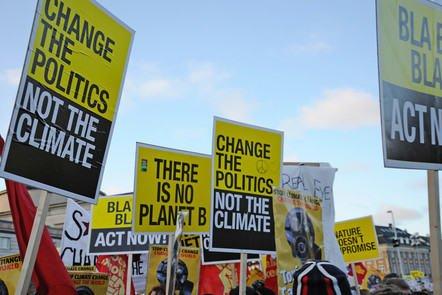
Week 1: Climate Action
Week 2: Life on land
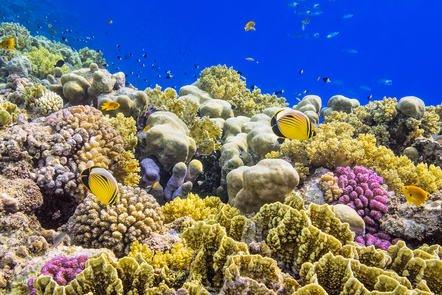
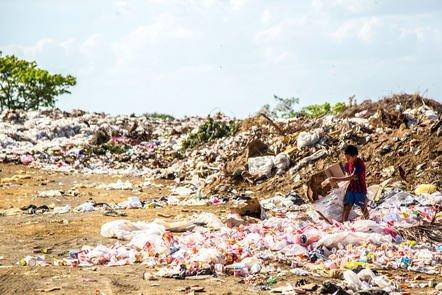
Week 3: Life below water
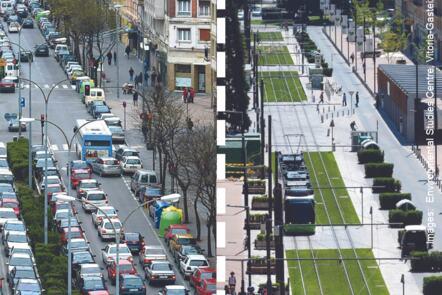
Week 4: Sustainable cities and communities

What will you achieve?
By the end of the course, you'll be able to...

  • Describe the sustainable development goals and their links to climate change
  • Explore responses to climate change: mitigation, adaptation and geoengineering
  • Identify methods of making agriculture more sustainable and explore the viability of these methods
  • Debate the viability of solutions that help strengthen the terrestrial biosphere carbon sink
  • Explain possible solutions to reducing ocean acidification
  • Discuss methods and policies being implemented to reduce plastic in oceans
  • Describe how buildings and cities can be designed to be more sustainable
  • Apply the theme of ‘sustainable communities’ to the developing world

Who is the course for?
You don’t need any prior knowledge of climate change, just an interest in science, nature and the environment. However it might be useful to have completed the sister course to this one: Climate Change: The Science.

Go to Class
MOOC List is learner-supported. When you buy through links on our site, we may earn an affiliate commission.

Related Courses

Renewable Energy: Sustainable Electricity Supply with Microgrids (FutureLearn) FutureLearn
University of Leeds

Renewable Energy: Sustainable Electricity Supply with Microgrids (FutureLearn)

Explore approaches to electrification, microgrids, and how to harness this form of renewable energy to achieve sustainability. Learn and assess different electrification approaches from around the world. On this two-week course, you will learn how electricity is generated globally and explore different approaches to electrification. You will then learn technical aspects of electrification options via a national grid, off grid, micro and mini grids and reflect on the barriers to affordable, clean and fair access to electricity.

Self Paced
2 Weeks
Maqasid Al-Shariah and Sustainable Development (FutureLearn) FutureLearn
University of Malaya

Maqasid Al-Shariah and Sustainable Development (FutureLearn)

Discover how religion, particularly Islamic teachings, and scientific knowledge can work together towards sustainable solutions. Use a blend of religion and science to explore sustainability. Sustainable Development is one of the most comprehensive worldwide concepts today in the quest to safeguard the environment. This principle of sustainability has been discovered to be intrinsically linked to the concept of Shariah, which emphasises the importance of continuity not just in this world, but also in the afterlife.

Self Paced
3 Weeks
Medical Equipment Donations to Low Resource Settings (FutureLearn) FutureLearn
St George's, University of London

Medical Equipment Donations to Low Resource Settings (FutureLearn)

Learn how to plan a medical equipment donation to a low-resource setting that's appropriate, sustainable, and has a real impact. Navigate the pitfalls of planning and organising donations of medical equipment. Unavailability of essential clinical equipment can be a serious problem in low-resource settings. On this course, developed in collaboration with the Tropical Health Education Trust (THET), you‘ll learn best practices in planning a donation of medical equipment to a low-resource setting.

Self Paced
2 Weeks
The Challenge of Global Water Security (FutureLearn) FutureLearn
Cardiff University

The Challenge of Global Water Security (FutureLearn)

An introduction to the challenges of water security on a local and global scale. How do we achieve water security for everyone? Over the next 30 years it is estimated that 80% of the world’s population will live in areas with high levels of water scarcity. How do we manage this so that we can ensure global water security for both people and ecosystems?

Self Paced
4 Weeks
Introduction to Sustainable Practices in Food Service (FutureLearn) FutureLearn
International Culinary Studio

Introduction to Sustainable Practices in Food Service (FutureLearn)

Create a more sustainable food service business and make a difference to your bottom line, your stakeholders, and the environment. Improve your sustainable practices within your organisation. Sustainability isn’t just about ‘greening’; sustainability actually means ‘meeting the needs of the present without compromising the ability of future generations to meet their needs.’ On this course, you’ll look at general global sustainability concepts, issues, and concerns, before focusing on sustainability specifically within food service and what you can do to reduce your impact.

Self Paced
2 Weeks
Understanding and Teaching Evolution (FutureLearn) FutureLearn
University of Bath

Understanding and Teaching Evolution (FutureLearn)

Learn key concepts in biological evolution and find out how to integrate them into the classroom. Find out how to teach evolution to 7–16 year olds. How does evolution happen? Can we observe it in real time? How do new species come about and how long does this take? When you think about evolution, you may think of Darwin, but modern genetics has transformed our understanding of how evolution happens. This course uses this new genetics-centred approach to explain key concepts in our scientific understanding of evolution.

Self Paced
3 Weeks
Planet Partners: Tackling the Climate Crisis Together (FutureLearn) FutureLearn
University of Reading

Planet Partners: Tackling the Climate Crisis Together (FutureLearn)

Investigate the impact of climate change, the research being done to tackle it, and what you can do to take meaningful action. Explore the different areas affected by climate change. The impacts of climate change are being felt worldwide and across many areas of life. This includes our food, our physical and mental health, where and how we live, wildlife and environmental systems, and political direction.

Self Paced
2 Weeks
IUCN Red List of Ecosystems: The Global Standard for Assessing Risks to Ecosystems (FutureLearn) FutureLearn
Deakin University

IUCN Red List of Ecosystems: The Global Standard for Assessing Risks to Ecosystems (FutureLearn)

This course introduces the IUCN Red List of Ecosystems and its successful use and policy impact through real-world case studies. Learn how the Red List of Ecosystems is helping to sustain global biodiversity. Nature is under threat around the world. Understanding where ecosystems are at greatest risk allows us to act to sustain species and ecosystems.

Self Paced
2 Weeks
Climate Intelligence: Using Climate Data to Improve Business Decision-Making (FutureLearn) FutureLearn
University of Reading

Climate Intelligence: Using Climate Data to Improve Business Decision-Making (FutureLearn)

Build climate resilience in your business as you learn how climate intelligence helps make decisions that mitigate risks. How exposed is your organisation to climate risk? Climate and weather projections hold the data that businesses need both to evaluate the risk climate change poses and to mitigate that risk. However, interpreting this data can be challenging. On this two-week course, you’ll learn how to identify relevant and reliable climate data for your business and explore how that raw data can be converted into information that connects with the particular operational and financial decisions you face.

Self Paced
2 Weeks
Making Climate Adaptation Happen: Governing Transformation Strategies for Climate Change (FutureLearn) FutureLearn
University of Groningen,Global Center on Adaptation

Making Climate Adaptation Happen: Governing Transformation Strategies for Climate Change (FutureLearn)

Explore how adaptive governance could help policymakers plan for and manage sudden environmental changes. Learn the governance tools to respond to climate change. Climate change is one of the biggest challenges facing governing bodies across the globe. On this course, you will be introduced to climate science, the societal effects of climate change, and the responses already available in the form of climate adaptation.

Self Paced
4 Weeks