Climate Change: The Science (FutureLearn)

Offered by University of Exeter,
Climate Change: The Science (FutureLearn)

Learn about the science of climate change, the risks it poses and how human activity is changing our world. Climate Change poses an increasing threat to the stability of Earth’s systems. If we want to protect our planet from dangerous and unprecedented change, first we must understand the science behind climate change.

Class Deals by MOOC List - Click here and see FutureLearn's Active Discounts, Deals, and Promo Codes.

On this course you will explore this science, looking back across 4 billion years of Earth’s history to help you learn the difference between ‘natural’ from ‘human’ induced change; looking to the present to see how the impacts of climate change are already being felt; and finally looking to the future to see what it might hold for our planet.

Syllabus

Week 1: Introduction to Climate Science
Week 2: Evidence for Climate Change
Week 3: Impacts of Climate Change
Week 4: Looking ahead...

What will you achieve?
By the end of the course, you'll be able to...

  • Describe the key principles of climate change
  • Explore past climate change
  • Identify signs of climate change
  • Explain impacts on land and ocean systems
  • Discuss future projections and modelling future scenarios

Go to Class
MOOC List is learner-supported. When you buy through links on our site, we may earn an affiliate commission.

Related Courses

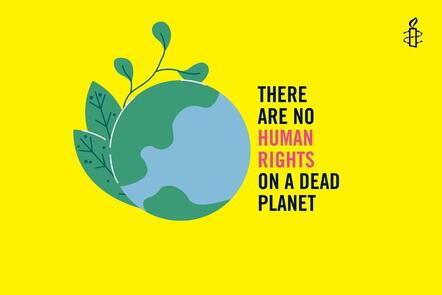
Championing Change: Human Rights and the Climate Crisis (FutureLearn) FutureLearn
Amnesty International

Championing Change: Human Rights and the Climate Crisis (FutureLearn)

Learn why climate change is a human rights issue, and how human rights can be used as a tool to combat the climate crisis.Find solutions that address both global warming and human rights violations. Rising sea levels. Floods. Droughts. Extreme weather. We know the effects of climate change but their associated human rights violations are not as well understood.

Nov 22nd 2021
3 Weeks
Teaching Climate Change (FutureLearn) FutureLearn
National STEM Learning Centre,ESERO-UK,ESERO Ireland

Teaching Climate Change (FutureLearn)

Learn how to teach climate change to students aged 11-14 years old and engage them with the ESA Climate Detectives project. Teach the causes of climate change, and how we can mitigate global warming. On this course, you’ll learn how to successfully teach climate change to secondary school students aged 11-14 years old. You’ll learn about the key facts behind the climate crisis, before going on to develop practical learning activities for your pupils.

May 9th 2022
3 Weeks
The Challenge of Global Water Security (FutureLearn) FutureLearn
Cardiff University

The Challenge of Global Water Security (FutureLearn)

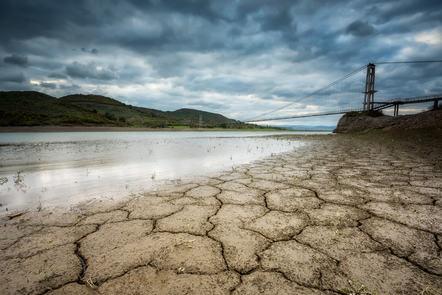
An introduction to the challenges of water security on a local and global scale. How do we achieve water security for everyone? Over the next 30 years it is estimated that 80% of the world’s population will live in areas with high levels of water scarcity. How do we manage this so that we can ensure global water security for both people and ecosystems?

Self Paced
4 Weeks
The Many Faces of Dementia (FutureLearn) FutureLearn
University College London

The Many Faces of Dementia (FutureLearn)

Gain a unique insight into dementia through the stories, symptoms and science behind four less common diagnoses. Explore key issues in dementia care and research, through four less common forms. Dementia is one of the foremost priorities in global health and is estimated to affect over 44 million people worldwide.

Self Paced
4 Weeks
Planet Earth: Understanding and Protecting our Environment (FutureLearn) FutureLearn
University of Leeds

Planet Earth: Understanding and Protecting our Environment (FutureLearn)

Learn about the physical geography of Earth and discover how to use this knowledge to protect our natural environment. Discover the Earth’s natural systems and how human activity affects them. On this two-week course from the University of Leeds, you will discover the processes of the hydrosphere, the geosphere, and the biosphere and explore the impact of human activity and climate change on our planet.

Self Paced
2 Weeks
The Science of Medicines (FutureLearn) FutureLearn
Monash University

The Science of Medicines (FutureLearn)

Learn the science behind how and why medicines work, and what can improve patient's treatment, with this online course. What do you know about the medicines you take? The world’s growing population faces major health issues, and medicines are a primary pillar to effect better health. Learn about the science of key medicines used to manage heart disease, depression, diabetes, pain control and smoking cessation.

Jan 17th 2022
5-12 Weeks
Learning for a Sustainable Future: Live at COP26 (FutureLearn) FutureLearn
University of Edinburgh

Learning for a Sustainable Future: Live at COP26 (FutureLearn)

Explore global issues during COP26 and be part of the call for collective action. What on Earth could be more important? Live at COP26. The 26th UN Climate Change Conference (COP26) is being held in Glasgow, Scotland between 31st October and 12th November 2021. It will bring together heads of state, climate experts and campaigners to agree and accelerate coordinated global action on climate change.

Nov 7th 2022
2 Weeks
Understanding Climate Change using Satellite Data (FutureLearn) FutureLearn
University of Twente

Understanding Climate Change using Satellite Data (FutureLearn)

Explore cutting-edge technology and learn how to analyse satellite climate data to help measure and mitigate climate change. Explore the tools that can help with climate change solutions. To accurately study climate change, assess its risks, and mitigate the impact, we need systematic observations of the climate.

Nov 29th 2021
3 Weeks
Inside Cancer: How Genes Influence Cancer Development (FutureLearn) FutureLearn
University of Bath

Inside Cancer: How Genes Influence Cancer Development (FutureLearn)

Understand how genetics influence the development and spread of cancer, with this free, introductory online course. What is the one thing that all cancers have in common? They begin as mutant or rebel cells! In this course we will explore how changes in cancer genetics and epigenetics enables these cells to grow uncontrollably, by exploiting our blood vessels and immune system along with other systemic changes.

Self Paced
4 Weeks
Humphry Davy: Laughing Gas, Literature, and the Lamp (FutureLearn) FutureLearn
Lancaster University,Royal Institution - RI

Humphry Davy: Laughing Gas, Literature, and the Lamp (FutureLearn)

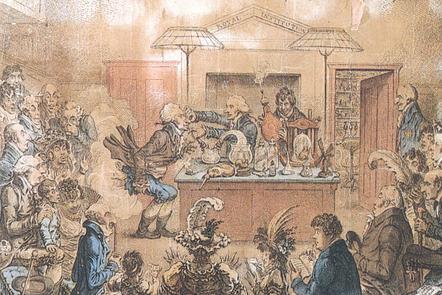
Discover Humphry Davy and his contribution to science and the arts. Before culture was divided into the sciences and the arts there was a chemist who was also a poet. Sir Humphry Davy (1778-1829) is one of the best known men of science of the nineteenth century: he was the first person to inhale nitrous oxide; he isolated nine chemical elements; and he invented the miners’ safety lamp known as the Davy lamp. This course will consider Davy’s life and career using manuscript sources held at the Royal Institution of Great Britain.

Oct 9th 2023
4 Weeks
Global Shocks: How to Manage Change in the Global Business Environment (FutureLearn) FutureLearn
Auckland University of Technology - AUT

Global Shocks: How to Manage Change in the Global Business Environment (FutureLearn)

Learn how to analyse the global business environment and adapt to technological, environmental, and economic changes. Discover how the COVID-19 pandemic has changed global business. The COVID-19 pandemic has highlighted the many ways that global business intersects our lives and, in many ways, seems to have ‘rewritten’ the rules of global business entirely. This course from the Auckland University of Technology (AUT) will help you understand and adapt to changes in the global business environment.

Jun 27th 2022
4 Weeks