Climate and Energy: An Interdisciplinary Perspective (FutureLearn)

Climate and Energy: An Interdisciplinary Perspective (FutureLearn)

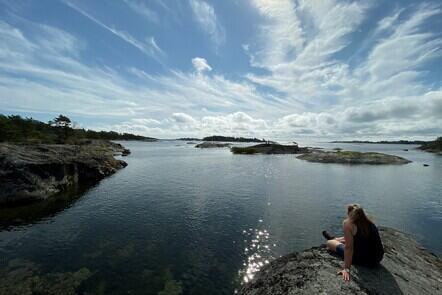
Explore climate change issues from an interdisciplinary perspective to find innovative solutions for a better future. Gain interdisciplinary skills for climate change solutions. On this four-week course, you’ll join educators from ten universities on a virtual field trip to a remote Swedish island to gain perspectives on climate and energy from a multitude of disciplines.

Class Deals by MOOC List - Click here and see FutureLearn's Active Discounts, Deals, and Promo Codes.

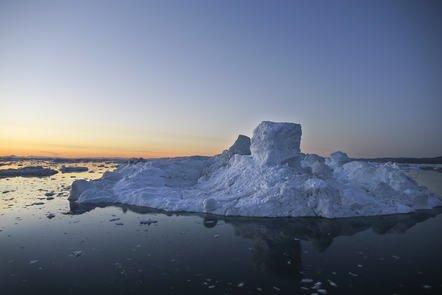
On our shared journey to this beautiful part of the world, you’ll study the climate of the past, the state of the climate, and climate change solutions.
With this walkthrough, you’ll understand not only what we know about climate change, but where this knowledge comes from.

Delve into the carbon cycle
The second part of the course considers the state of the climate, the ‘wicked’ nature of its associated problems, and the call for interdisciplinary solutions.
You’ll explore key topics, such as the carbon cycle, and gain an understanding of climate terminology to help enhance your communication skills.

Explore different energy solutions
Next, you’ll unpack an interdisciplinary perspective on energy solutions, considering both opportunities and drawbacks.
Through case studies, you’ll gain a comprehensive understanding of the environmental impacts of different energy sources.
With this knowledge, you’ll discover how it is essential to collaborate with specialists of other disciplines working on climate and energy.

Learn how to take steps to a sustainable future
Finally, you’ll explore international climate law and policy as well as solutions such as marine protected areas and counting carbon. This will help you understand whether the challenges of climate change are being addressed effectively.
By the end of the course, you’ll have the knowledge and skills to take a collaborative approach to climate change for more effective action.

Syllabus

Week 1: Climate of the past
Week 2: The state of the climate
Week 3: Energy solutions
Week 4: Policy solutions

What will you achieve?
By the end of the course, you‘ll be able to...

  • Describe the climate crisis and how it came to be from an interdisciplinary perspective.
  • Compare disciplinary approaches to acquiring knowledge about climate and energy
  • Assess climate change solutions from an interdisciplinary perspective
  • Demonstrate disciplinary knowledge about climate and energy beyond their own discipline
  • Collaborate with specialists of other disciplines working on climate and energy
Go to Class
MOOC List is learner-supported. When you buy through links on our site, we may earn an affiliate commission.

Related Courses

Upcycling: From Green Ideas to Starting a Business (FutureLearn) FutureLearn
MINCA,Hands of Honour

Upcycling: From Green Ideas to Starting a Business (FutureLearn)

Explore the concept of upcycling, its link to sustainable development, and how you can start your own upcycling business. Understand upcycling, how to make upcycling products and start up a company. Have you ever turned unwanted objects or waste materials into entirely new products? Upcycling is the ideal way to combine creative ideas with a passion for sustainability and entrepreneurship.

Self Paced
3 Weeks
Chemical Engineering: Shaping a Sustainable Future (FutureLearn) FutureLearn
University of Leeds

Chemical Engineering: Shaping a Sustainable Future (FutureLearn)

Learn how chemical engineering can help to solve global challenges and explore its role in delivering sustainable development. Understand how chemical engineers can provide sustainable solutions. Chemical engineers are leading the way in providing answers to global challenges such as climate change, food security, and effective healthcare. On this two-week course, you will be introduced to the exciting world of chemical engineering. You’ll explore how chemical engineers develop and design chemical manufacturing processes to provide sustainable solutions.

Self Paced
2 Weeks
Renewable Energy: Achieving Sustainability through Bioenergy (FutureLearn) FutureLearn
University of Leeds

Renewable Energy: Achieving Sustainability through Bioenergy (FutureLearn)

Understand the principles of bioenergy and learn how to harness this form of renewable energy to achieve sustainability. Learn about the principles and environmental implications of bioenergy. On this two week course, you will explore bioenergy, one of the most diverse and readily available sources of renewable energy. You’ll look into what types of biomass can be used and how sustainable energy solutions can be developed in a wide range of communities.

Self Paced
2 Weeks
Unleash Your Potential: Sustainable Futures (FutureLearn) FutureLearn
University of Bristol

Unleash Your Potential: Sustainable Futures (FutureLearn)

Learn about the sustainability challenges of the modern world, and make a positive contribution to society. Find out how to deal with world sustainability issues. United Nations (UN) countries have adopted a set of goals to end poverty, protect the planet and ensure prosperity for all. On this online course, you’ll learn about these UN Sustainable Development Goals, and the different roles people can play in creating a sustainable future.

Self Paced
4 Weeks
Achieving Transitions to Zero Carbon Emissions and Sustainable Urban Mobility (FutureLearn) FutureLearn
University College London,Transforming Urban Mobility Initiative - TUMI,EIT Urban Mobility,ICLEI

Achieving Transitions to Zero Carbon Emissions and Sustainable Urban Mobility (FutureLearn)

Discover how cities can transform their urban mobility systems to become more sustainable and reach zero carbon emissions. Understand the steps to becoming sustainable city. Transport accounts for a large proportion of carbon emissions, so ensuring urban mobility systems are sustainable is key to helping cities to achieve zero-carbon goals. On this four-week course, you’ll discover how cities can transition their mobility systems to become sustainable, innovative, and inclusive.

Self Paced
4 Weeks
Maqasid Al-Shariah and Sustainable Development (FutureLearn) FutureLearn
University of Malaya

Maqasid Al-Shariah and Sustainable Development (FutureLearn)

Discover how religion, particularly Islamic teachings, and scientific knowledge can work together towards sustainable solutions. Use a blend of religion and science to explore sustainability. Sustainable Development is one of the most comprehensive worldwide concepts today in the quest to safeguard the environment. This principle of sustainability has been discovered to be intrinsically linked to the concept of Shariah, which emphasises the importance of continuity not just in this world, but also in the afterlife.

Self Paced
3 Weeks
Climate Intelligence: Using Climate Data to Improve Business Decision-Making (FutureLearn) FutureLearn
University of Reading

Climate Intelligence: Using Climate Data to Improve Business Decision-Making (FutureLearn)

Build climate resilience in your business as you learn how climate intelligence helps make decisions that mitigate risks. How exposed is your organisation to climate risk? Climate and weather projections hold the data that businesses need both to evaluate the risk climate change poses and to mitigate that risk. However, interpreting this data can be challenging. On this two-week course, you’ll learn how to identify relevant and reliable climate data for your business and explore how that raw data can be converted into information that connects with the particular operational and financial decisions you face.

Self Paced
2 Weeks
Creating Ethical and Sustainable Cities at the Local Level (FutureLearn) FutureLearn
RMIT University,EIT Community

Creating Ethical and Sustainable Cities at the Local Level (FutureLearn)

See how frameworks for ethical and sustainable cities can be localised, fostering resilient cities for the future. Learn how you can contribute to the sustainable cities of tomorrow. It’s widely accepted that, as we look towards the future, we need to actively create cities that are ethical, sustainable, inclusive, and well-governed. To do this, we need to localise frameworks and principles such as the Sustainable Development Goals (SDGs), the European Green Deal and New European Bauhaus to make tangible differences. Knowing how to start this localisation can be daunting, which is why this course from RMIT is so valuable.

Self Paced
2 Weeks
Planet Earth: Understanding and Protecting our Environment (FutureLearn) FutureLearn
University of Leeds

Planet Earth: Understanding and Protecting our Environment (FutureLearn)

Learn about the physical geography of Earth and discover how to use this knowledge to protect our natural environment. Discover the Earth’s natural systems and how human activity affects them. On this two-week course from the University of Leeds, you will discover the processes of the hydrosphere, the geosphere, and the biosphere and explore the impact of human activity and climate change on our planet.

Self Paced
2 Weeks
The Challenge of Global Water Security (FutureLearn) FutureLearn
Cardiff University

The Challenge of Global Water Security (FutureLearn)

An introduction to the challenges of water security on a local and global scale. How do we achieve water security for everyone? Over the next 30 years it is estimated that 80% of the world’s population will live in areas with high levels of water scarcity. How do we manage this so that we can ensure global water security for both people and ecosystems?

Self Paced
4 Weeks
IUCN Red List of Ecosystems: The Global Standard for Assessing Risks to Ecosystems (FutureLearn) FutureLearn
Deakin University

IUCN Red List of Ecosystems: The Global Standard for Assessing Risks to Ecosystems (FutureLearn)

This course introduces the IUCN Red List of Ecosystems and its successful use and policy impact through real-world case studies. Learn how the Red List of Ecosystems is helping to sustain global biodiversity. Nature is under threat around the world. Understanding where ecosystems are at greatest risk allows us to act to sustain species and ecosystems.

Self Paced
2 Weeks