Planet Earth: Understanding and Protecting our Environment (FutureLearn)

Offered by University of Leeds,
Planet Earth: Understanding and Protecting our Environment (FutureLearn)

Learn about the physical geography of Earth and discover how to use this knowledge to protect our natural environment. Discover the Earth’s natural systems and how human activity affects them. On this two-week course from the University of Leeds, you will discover the processes of the hydrosphere, the geosphere, and the biosphere and explore the impact of human activity and climate change on our planet.

Class Deals by MOOC List - Click here and see FutureLearn's Active Discounts, Deals, and Promo Codes.

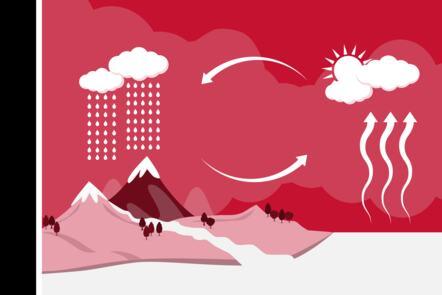
Discover the hydrosphere and the impact of human activity on the water cycle
You’ll start by looking at the water cycle and the ways in which human activity and climate change affect it. You’ll learn how Leeds scientists monitor the quality of water and how this influences aquatic life and agriculture.
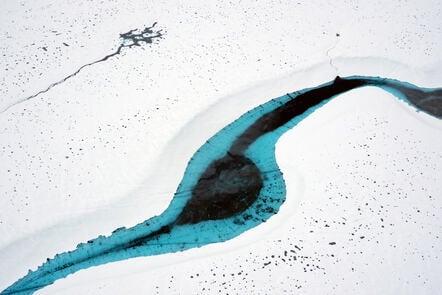
Then, you’ll explore the cryosphere, discover the role of ice in regulating the Earth’s climate, and the impact of glacier recession.

Understand the biosphere and explore how ecosystems are affected by a changing environment
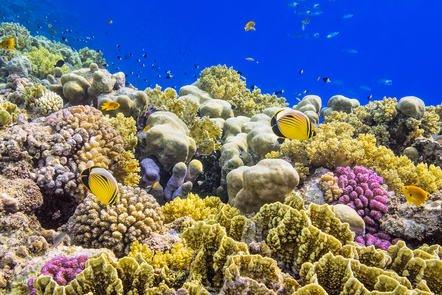
The study of the biosphere is that of ecosystems. You’ll take a closer look at how human activity is changing the biosphere by exploring the ecosystems of tropical forests, their contribution to nature, and how this is affected by climate change.

Explore the changing geosphere
You’ll learn how human activity in the form of coastal erosion, intensive agriculture, and mining for fossil fuels is affecting the geosphere. You’ll also explore the role of soil and learn how we can evaluate the impact of climate change by studying rocks and fossils.

Discover how scientists are addressing environmental problems
You’ll learn about natural flood management techniques and managing coastal erosion based on research by the University of Leeds.
You’ll then explore how invasive species are altering ecosystems, look at how scientists are monitoring their spread, and propose ways to restore the natural balance. You’ll also find out how scientists are monitoring the effects of climate change and how they can inform effective land use management in future.

Syllabus

Week 1: The changing environment
Week 2: Protecting and managing a changing environment

What will you achieve?
By the end of the course, you‘ll be able to...

  • Explain the key process of the natural environment; the hydrosphere, biosphere and geosphere, and interpret them as a series of interlinked systems
  • Investigate the impact of human activity on natural environmental systems
  • Compare a range of approaches to environmental protection and management
  • Explore the academic and employment opportunities in physical geography and environmental science.

Who is the course for?
This course is designed for anyone interested in understanding the earth system and exploring how to improve the relationship between humans and the environment.
It offers a great insight to studying for physical geography and environmental sciences as an undergraduate or fresher at university level.
Go to Class
MOOC List is learner-supported. When you buy through links on our site, we may earn an affiliate commission.

Related Courses

Tackling Environmental Challenges for a Sustainable Future (FutureLearn) FutureLearn
University of York

Tackling Environmental Challenges for a Sustainable Future (FutureLearn)

Discover how environmental research can inform how we respond to and solve the major global environmental issues of today. Explore sustainable solutions to environmental issues like changing glaciers. Our energy use is unsustainable, we’re producing waste plastic that’s endangering oceans, and large parts of the natural world are disappearing. We know our planet is facing huge environmental challenges, but what are we doing to solve them?

Jul 8th 2024
4 Weeks
Environmental Challenges: Hierarchy in Property Rights (FutureLearn) FutureLearn
University of Leeds

Environmental Challenges: Hierarchy in Property Rights (FutureLearn)

How does language help us develop our relationship with nature and determine the rights of access and ownership? Increasing populations and social changes are pressurising our relationship with the environment. Property rights are embedded in power structures and land management. This course explores the different ways that nature is perceived by different types of societies and the impact of property rights on natural resource management.

Oct 28th 2024
2 Weeks
Climate Intelligence: Using Climate Data to Improve Business Decision-Making (FutureLearn) FutureLearn
University of Reading

Climate Intelligence: Using Climate Data to Improve Business Decision-Making (FutureLearn)

Build climate resilience in your business as you learn how climate intelligence helps make decisions that mitigate risks. How exposed is your organisation to climate risk? Climate and weather projections hold the data that businesses need both to evaluate the risk climate change poses and to mitigate that risk. However, interpreting this data can be challenging. On this two-week course, you’ll learn how to identify relevant and reliable climate data for your business and explore how that raw data can be converted into information that connects with the particular operational and financial decisions you face.

Jul 25th 2022
2 Weeks
Sustainable Food Teach-Out (FutureLearn) FutureLearn
University of Michigan

Sustainable Food Teach-Out (FutureLearn)

Discover the link between food and climate change and learn about the collective journey towards a sustainable global diet. Explore the importance of food choices in reducing greenhouse gas emissions. What we choose to eat matters. Did you know that a quarter of all greenhouse gas emissions come from food and agricultural systems? One way each and every one of us can reduce our impact on the environment is to change what is on the end of our forks.

Nov 1st 2021
2 Weeks
Taking on the Climate Crisis with Social Change (FutureLearn) FutureLearn
Stockholm University

Taking on the Climate Crisis with Social Change (FutureLearn)

Explore the reasons and solutions for the climate crisis, equipping you to create a better today and tomorrow. Discover how social transformation can help us tackle the climate crisis The harsh realities of global warming and climate change often make people feel helpless, but there is a lot that can be done. This three-week course will open your eyes to the actions you can take.

Feb 13th 2023
3 Weeks
Teaching Climate Change (FutureLearn) FutureLearn
National STEM Learning Centre,ESERO-UK,ESERO Ireland

Teaching Climate Change (FutureLearn)

Learn how to teach climate change to students aged 11-14 years old and engage them with the ESA Climate Detectives project. Teach the causes of climate change, and how we can mitigate global warming. On this course, you’ll learn how to successfully teach climate change to secondary school students aged 11-14 years old. You’ll learn about the key facts behind the climate crisis, before going on to develop practical learning activities for your pupils.

May 9th 2022
3 Weeks
Environmental Challenges: Rights and Values in Ecosystem Services (FutureLearn) FutureLearn
University of Leeds

Environmental Challenges: Rights and Values in Ecosystem Services (FutureLearn)

Differences in values can create conflict. How can we learn to manage our natural resources with integrity? Humans are very innovative, but we’ve also created many ecological problems. We’ve changed the face of the planet, fished the oceans, and we’re causing climate change through emissions. Designing institutional arrangements that recognise ecosystem services in the values we place upon natural systems will be an important way to help governing the planet, for both present and future generations.

Feb 12th 2024
2 Weeks
Chemometrics in Air Pollution (FutureLearn) FutureLearn
University of Malaya

Chemometrics in Air Pollution (FutureLearn)

This course briefly introduces the causes and effects of air pollution in Asian, chemometric models and chemometric application. This course briefly introduces the causes and effects of air pollution. Air pollution is a growing concern the we experience in our daily life. But not everyone has a clear understanding of what the sources of air pollution are. Here, you will not only learn how to identify them, but also understand the potential impact air pollution has in our present and future.

May 16th 2022
3 Weeks
Real Climate Action: How to Engage People in Climate Change (FutureLearn) FutureLearn
EIT Climate-KIC

Real Climate Action: How to Engage People in Climate Change (FutureLearn)

Engage with and motivate others to join you in the fight against climate change using a variety of approaches. Inspire climate action in others with strategies that really work. To take effective climate action, it’s important to communicate and engage with others around climate change. This four-week course from EIT Climate-KIC will show you how to do that, while achieving audience buy-in and behaviour change.

Nov 1st 2021
5-12 Weeks
Extinctions: Past and Present (FutureLearn) FutureLearn
University of Cape Town

Extinctions: Past and Present (FutureLearn)

Discover the diversity of life on earth, the impacts of five past mass extinctions and the prospect of a sixth extinction today. This free online course explores how life on earth has been shaped by five mass extinction events in the distant past. At present, biodiversity is facing a crisis, with the prospect of a sixth extinction event today.

Jul 25th 2022
5-12 Weeks
Making Climate Adaptation Happen: Governing Transformation Strategies for Climate Change (FutureLearn) FutureLearn
University of Groningen,Global Center on Adaptation

Making Climate Adaptation Happen: Governing Transformation Strategies for Climate Change (FutureLearn)

Explore how adaptive governance could help policymakers plan for and manage sudden environmental changes. Learn the governance tools to respond to climate change. Climate change is one of the biggest challenges facing governing bodies across the globe. On this course, you will be introduced to climate science, the societal effects of climate change, and the responses already available in the form of climate adaptation.

Mar 7th 2022
4 Weeks