20th Century Art (saylor.org)

Offered by Saylor.org,
20th Century Art (saylor.org)

This course explores the history of the artistic developments of the 20th century in Western Europe and the United States.

This course explores the history of the artistic developments of the 20th century in Western Europe and the United States. The art of this period is characterized by extraordinary experimentation and innovation in styles, materials, techniques, and modes of dissemination. In addition to painting and sculpture, the 20th century witnessed the rise in popularity of photography, collage, montage, installations, earth art, performance, and conceptual art. Artists were sometimes inspired by the works of past masters but also often by contemporary changes in intellectual thought and social conditions. Therefore, we will examine the intellectual and cultural beliefs that this art both reflects and helped shape.

Despite the great variety of artistic styles and theories that we will examine, a number of important themes consistently recur. If you keep them in mind as you progress through the course, you will find it easier to organize your thoughts and make meaningful comparisons among various artists, movements, and art works. These themes include:

reactions to the conditions of modern life (such as urbanism, industrialism, secularization, new technologies, colonialism, and identity politics);
a shift from objectivity to subjectivity that includes a movement away from the naturalistic representation of objects in the world to a more subjective, abstracted depiction of ideas or feelings;
the search for a meaningful role for the artist in society as a spiritual or political leader as well as an aesthetic innovator;
a desire to destroy old oppositions such as fine versus applied arts; male versus female; spiritual versus material; art versus life; and the Western self versus the non-Western other; and
changes in the art market and the rise in importance of galleries and artist-run exhibitions.

Material is presented in chronological order and covers the period between 1870 and the end of the 20th century. You will be introduced to a variety of terms that art historians use to describe styles, techniques, materials, and aesthetic concepts.

Upon successful completion of this course, you will be able to:

identify the works of art of major contributors to 20th-century art;
accurately use the visual arts vocabulary presented in this course;
demonstrate an understanding of the relationships between a work of art and its cultural context (i.e., its historical, social, religious, and economic environment);
analyze, interpret, and critique works of art; and
identify the basic features of each of the 20th-century styles and discuss the main contributions that these styles made to the development of visual arts.
Go to Class
MOOC List is learner-supported. When you buy through links on our site, we may earn an affiliate commission.

Related Courses

Film, Images & Historical Interpretation in the 20th Century: The Camera Never Lies (Coursera) Coursera
University of London,Royal Holloway, University of London

Film, Images & Historical Interpretation in the 20th Century: The Camera Never Lies (Coursera)

This course is a short taster on the topic of the use of Images, Film, and their use in historical interpretation in the 20th century. It is primarily provided for those who have a general interest in history that draws on photojournalism as primary evidence, and films based on historical events.

Aug 10th 2026
5-12 Weeks
The Ancient Greeks (Coursera) Coursera
Wesleyan University

The Ancient Greeks (Coursera)

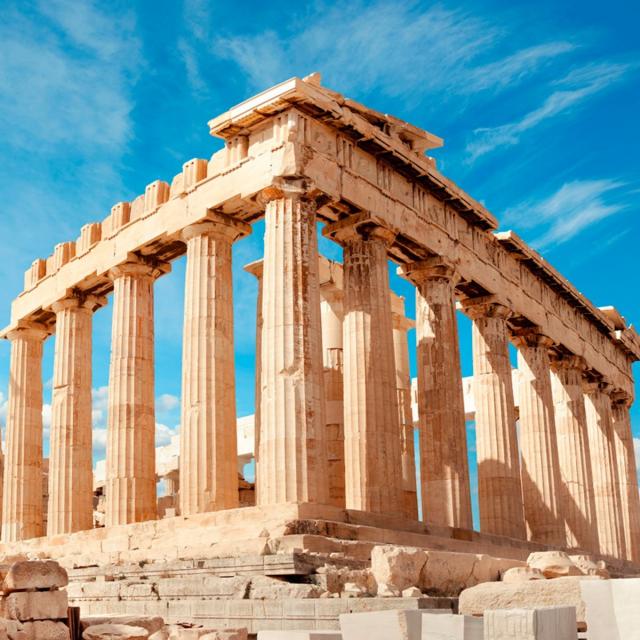
This is a survey of ancient Greek history from the Bronze Age to the death of Socrates in 399 BCE. Along with studying the most important events and personalities, we will consider broader issues such as political and cultural values and methods of historical interpretation.

Jul 27th 2026
5-12 Weeks
O Real Paço Mafra: do Magnânimo ao Clemente (UAb) Universidade Aberta
Universidade Aberta

O Real Paço Mafra: do Magnânimo ao Clemente (UAb)

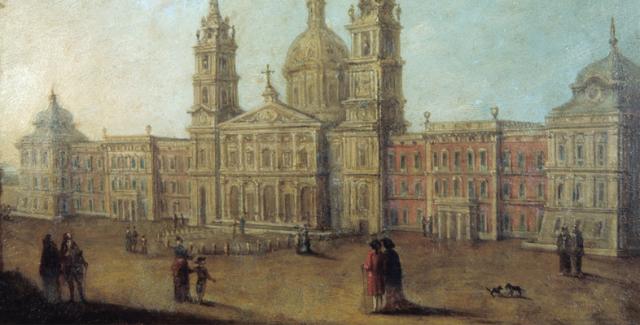
Erguido numa lógica de afirmação do poder real, o Real Paço de Mafra está intimamente ligado à figura de D. João V. Mas a adaptação a novos tempos, a evolução do gosto, o terramoto de 1755 e as campanhas de Napoleão vão determinar a forma como o Paço vai sendo (ou não) habitado ao longo do século XVIII. Outro monarca, D. João VI, deixará também a sua marca neste que era um dos seus Paços favoritos. Conheça neste curso esta e outras dimensões da história do Palácio.

Self Paced
Self-Paced
Western and Chinese Art: Masters and Classics (edX) EdX
Tsinghua University,TsinghuaX

Western and Chinese Art: Masters and Classics (edX)

From da Vinci to Zhang Xu, Wu Daozi and Warhol, explore immortal works of Western and Chinese art and gain an appreciation of culture, history and civilization. Throughout human history, art has served as a window into current events, traditions, societies and culture. And, Chinese and Western civilizations have produced some of the most famous artworks by world-renowned artists.

Self Paced
Self-Paced
Women in Arts: From 1900 until today (FutureLearn) FutureLearn
Centre Pompidou

Women in Arts: From 1900 until today (FutureLearn)

Discover the women creators who shaped modern and contemporary art and those who continue to make huge impacts today. Delve into art history through the extraordinary works of women artists. On this seven-week course, you’ll journey through an alternative history of modern and contemporary art – one that is centred on the brilliant women creators in the movement.

Nov 15th 2021
5-12 Weeks
Indigenous Canada (Coursera) Coursera
University of Alberta

Indigenous Canada (Coursera)

Indigenous Canada is a 12-lesson Massive Open Online Course (MOOC) that explores Indigenous histories and contemporary issues in Canada. From an Indigenous perspective, this course explores key issues facing Indigenous peoples today from a historical and critical perspective highlighting national and local Indigenous-settler relations.

Jul 27th 2026
5-12 Weeks
Wonders of Ancient Egypt (Coursera) Coursera
University of Pennsylvania

Wonders of Ancient Egypt (Coursera)

Colossal pyramids, imposing temples, golden treasures, enigmatic hieroglyphs, powerful pharaohs, strange gods, and mysterious mummies are features of Ancient Egyptian culture that have fascinated people over the millennia. The Bible refers to its gods, rulers, and pyramids. Neighboring cultures in the ancient Near East and Mediterranean wrote about its god-like kings and its seemingly endless supply of gold. The Greeks and Romans describe aspects of Egypt's culture and history.

Aug 3rd 2026
5-12 Weeks