Human-Centered Design

Filter Courses within "Human-Centered Design" (Click to filter)
Understanding the Value of Human-Centered Design (Coursera) Coursera
University of Illinois at Urbana-Champaign

Understanding the Value of Human-Centered Design (Coursera)

Embark on a journey into the world of human-centered design with our expert-led course. By focusing on users' needs, goals, and experiences, you'll learn to develop more effective and impactful solutions. This course is perfect for professionals looking to innovate within their fields and anyone interested in improving user experience.

Oct 12th 2026
5-12 Weeks
How Can We Measure and Study Human Error? (Coursera) Coursera
Arizona State University

How Can We Measure and Study Human Error? (Coursera)

Dive into the fascinating world of human error analysis with our 'How Can We Measure and Study Human Error?' course. This course will equip you with a deep understanding of various methodologies to study human errors, introduce you to human-centered design principles, and teach you how to evaluate the usability of products, technologies, and systems effectively.

Oct 12th 2026
4 Weeks
Content Strategy for Professionals: Managing Content (Coursera) Coursera
Northwestern University

Content Strategy for Professionals: Managing Content (Coursera)

Dive into the second part of the Content Strategy Specialization on Coursera where you'll learn advanced techniques for managing your content effectively. This course focuses on telling a cohesive 'content story' across different platforms, leveraging social and mobile media, and understanding human-centered design principles to create engaging content. Whether you choose to insource or outsource content creation, this course will equip you with the knowledge to make informed decisions.

Sep 9th 2024
3 Weeks
Build Better Products with a Human-Centered Product Backlog (openSAP) OpenSAP
SAP

Build Better Products with a Human-Centered Product Backlog (openSAP)

Join our free online course and learn the art of building better products. By adopting a human-centered approach to your product backlog, you'll be able to balance user needs, business goals, and technological possibilities effectively. This course is ideal for product managers, developers, designers, and anyone involved in the product development process.

Jun 21st 2022
4 Weeks
eHealth: Combining Psychology, Technology and Health (FutureLearn) FutureLearn
University of Twente

eHealth: Combining Psychology, Technology and Health (FutureLearn)

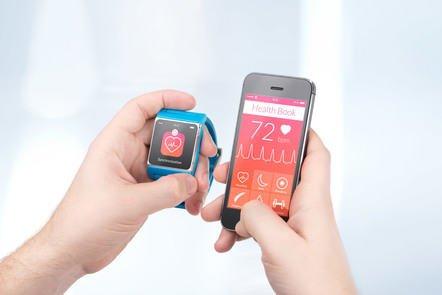
Explore the transformative power of technology with our free online course 'eHealth: Combining Psychology, Technology and Health'. Gain insight into how digital tools can improve your overall well-being, health management, and healthcare delivery. This course will equip you with a deep understanding of eHealth concepts, methodologies for developing health technologies, and theories that drive behavior change and successful implementation.

Available now
5-12 Weeks
Human-Centered Design: From Synthesis to Creative Ideas (OpenHPI) OpenHPI
Hasso-Plattner-Institut

Human-Centered Design: From Synthesis to Creative Ideas (OpenHPI)

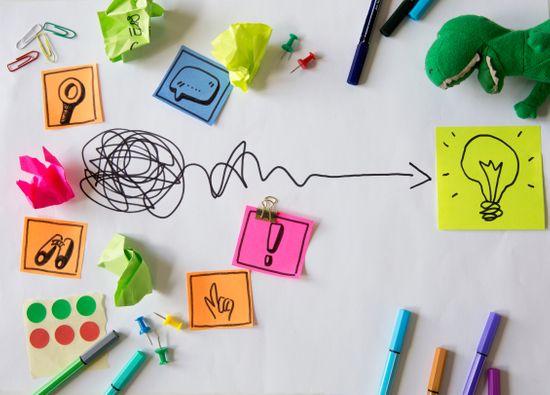
Embark on an exciting journey into the world of Human-Centered Design with OpenHPI's comprehensive course. This program will guide you through making sense of design research data, framing problems from a user-centric viewpoint, and developing a plethora of new ideas to drive innovation. Whether you're a designer, developer, or simply curious about creating impactful solutions, this course is your gateway to unlocking the power of Human-Centered Design.

Self Paced
Self-Paced
Human-Centered Design: Building and Testing Prototypes (openHPI) OpenHPI
Hasso-Plattner-Institut

Human-Centered Design: Building and Testing Prototypes (openHPI)

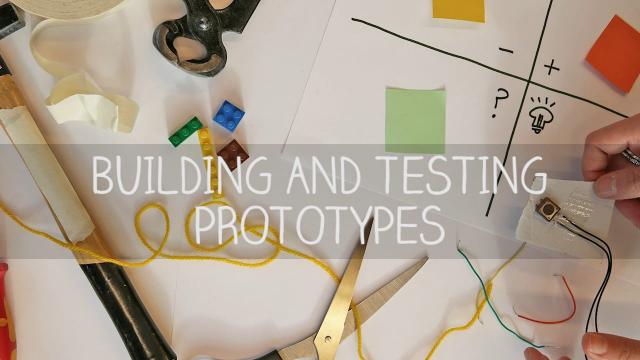
Dive into the fundamentals of Human-Centered Design with our course. Learn how to create simple yet impactful prototypes, plan comprehensive testing scenarios, and gather crucial feedback from potential users. This beginner-friendly course is perfect for those looking to innovate through understanding user needs.

Self Paced
Self-Paced