World War 1: Trauma, Memory, Controversy (FutureLearn)

Offered by The Open University,
World War 1: Trauma, Memory, Controversy (FutureLearn)

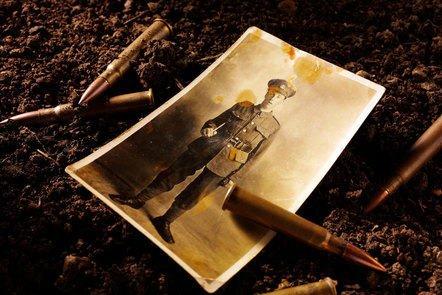
Explore the traumatic effects of WW1 on soldiers and civilians. Discover how we remember and debate the history of this war. In this free online course, you will study the social, cultural, medical and diplomatic history of the First World War. Topics range from physical and mental trauma suffered by combatants to the traumatic experiences of civilians in wartime.

Class Deals by MOOC List - Click here and see FutureLearn's Active Discounts, Deals, and Promo Codes.

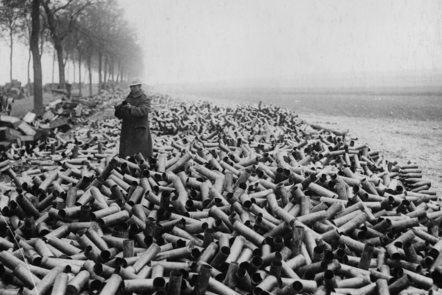
More than a hundred years after it ended, the First World War has lost none of its fascination. It was a war of unprecedented scale and brutality, with countless casualties. It also left a poisonous legacy for the twentieth century and beyond. Many of the issues that were left unresolved in 1918 would lead to another world war in 1939.

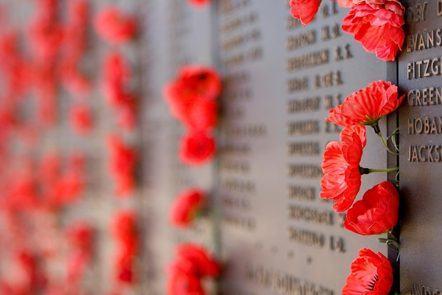
We will investigate the difficulties historians face in establishing accurate figures for war losses. We will explore expressions of grief and trauma through art and literature. We will ask why some nations remember the dead with poppies and why there are certain sites of remembrance that we still turn to today. And we will explore the contested origins of the First World War.
While studying this course, you will learn to conduct your own research into First World War casualty statistics and explore different sources to help you evaluate their usefulness and accuracy. And you will be able to discuss your thoughts with other learners on an online platform (if you choose to do so).

What topics will you cover?
• The effects of the war on combatants and civilians
• New types of injuries and how victims and medical professionals dealt with them
• Casualty figures and how to interrogate them
• Artistic responses to the trauma of war
• How the war has been commemorated
• The debate among historians about the origins of WW1

What will you achieve?
By the end of the course, you‘ll be able to...

  • Investigate casualty statistics and conduct your own research into war losses
  • Evaluate visual and poetic historical sources to understand how the First World War affected art and culture
  • Discuss your thoughts with other learners on our online platform
  • Explore various types of physical and mental trauma suffered by those who experienced the war
  • Assess the difficulties historians face in establishing accurate figures about war losses
  • Interpret historical propaganda and eyewitness accounts to understand the civilian experience of war
  • Reflect on the causes of the First World War
Go to Class
MOOC List is learner-supported. When you buy through links on our site, we may earn an affiliate commission.

Related Courses

Zoroastrianism: History, Religion, and Belief (FutureLearn) FutureLearn
SOAS University of London

Zoroastrianism: History, Religion, and Belief (FutureLearn)

Explore the ancient religion of Zoroastrianism, its languages, and the challenges faced by Zoroastrian communities today. Delve into the rich visual history of the Zoroastrian religion Zoroastrianism has had a profound influence on major world religions. Its history tells the story of imperial culture, persecution, migration and the establishment of diasporic communities.

Jul 26th 2021
4 Weeks
Literature and Mental Health: Reading for Wellbeing (FutureLearn) FutureLearn
The University of Warwick

Literature and Mental Health: Reading for Wellbeing (FutureLearn)

Find out how poems, plays and novels can help us understand and cope with deep emotional strain in this free online course. The great 18th century writer Dr Samuel Johnson, who suffered from severe bouts of depression, said “the only end of writing is to enable the reader better to enjoy life or better to endure it.” This free online course will explore how enjoying literature can help us to endure life.

No sessions available
5-12 Weeks
Trauma, Neuro, and Shame Awareness: Best Practice for Professionals, Organisations, and Communities (FutureLearn) FutureLearn
Deakin University

Trauma, Neuro, and Shame Awareness: Best Practice for Professionals, Organisations, and Communities (FutureLearn)

Learn how trauma and shame influence behaviour, and how we can use this knowledge to reduce conflict and improve relationships. Understand the causes and impacts of trauma with Deakin University. Trauma and shame are complex, with a deep and widespread impact. This four-week Deakin University course aims to elevate your understanding of how these factors influence human behaviour.

Self Paced
4 Weeks
New Zealand History, Culture and Conflict: A Museum Perspective (FutureLearn) FutureLearn
Museum of New Zealand Te Papa Tongarewa

New Zealand History, Culture and Conflict: A Museum Perspective (FutureLearn)

Discover the social history of Aotearoa New Zealand, learning how the country’s bicultural national consciousness was formed. Identify the factors that have contributed to New Zealand’s cultural identity. New Zealand’s social history is built on a foundation of exploration and colonial conflict. On this three-week course, you’ll access artefacts, treasures, and exhibitions within Te Papa Tongarewa’s collections to discover how New Zealand culture has evolved over time, identifying key historical moments that have impacted the formation of a national identity.

Self Paced
3 Weeks
Military Ethics: An Introduction (FutureLearn) FutureLearn
UNSW Sydney - University of New South Wales

Military Ethics: An Introduction (FutureLearn)

We explore the ethical responsibilities that weigh on military professionals, who are ‘managers of violence’. Military professionals are unusual in having the use of lethal force as a central, defining feature of their role, and unique in the level of force that they are authorized to use. This fact places a considerable ethical weight on military practitioners as well as the civilian decision-makers who authorize military missions.

No sessions available
5-12 Weeks
The Life and Afterlife of Mary Queen of Scots (FutureLearn) FutureLearn
University of Glasgow

The Life and Afterlife of Mary Queen of Scots (FutureLearn)

Explore the 16th century life of Mary Queen of Scots, and her place in cultural history in the centuries that followed. Discover the life and lasting legacy of Mary Queen of Scots. Mary Queen of Scots was born and ascended to the throne of Scotland in 1542, before being forced to abdicate in 1567. She was married three times, first to the king of France, and then to two noblemen from the British Isles, one of whom was spectacularly murdered.

Self Paced
3 Weeks
Learning from the Past: A Guide for the Curious Researcher (FutureLearn) FutureLearn
University of Birmingham,The University of Nottingham,British Library

Learning from the Past: A Guide for the Curious Researcher (FutureLearn)

Learn how to understand the past to explain the present, and get to know the amazing sources and resources of the British Library. Discover sources that help you understand the past, and explain the present! The language of history determines how we view our world and understand urgent issues, such as the environment, conflict and human rights.

Available now
3 Weeks
Irish Lives in War and Revolution: Exploring Ireland's History 1912-1923 (FutureLearn) FutureLearn
Trinity College Dublin

Irish Lives in War and Revolution: Exploring Ireland's History 1912-1923 (FutureLearn)

Explore the lives of men, women and children living through war and revolution and social changes that made modern Ireland. How do people experience war and revolution? How does political change, violence, total war, affect life in its most basic ways? Looking at Ireland through war and revolution, this course considers these and other questions about Irish life between 1912 and 1923.

No sessions available
5-12 Weeks
Hadrian's Wall: Life on the Roman Frontier (FutureLearn) FutureLearn
Newcastle University

Hadrian's Wall: Life on the Roman Frontier (FutureLearn)

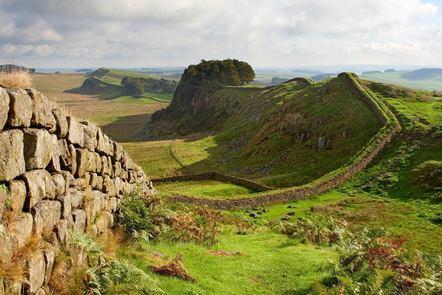
Explore the archaeology of the most heavily fortified frontier in the Roman Empire, its people and their lives. Hadrian’s Wall stretches over 73 miles (117 km), from coast to coast in what is now Northern England. The Wall, complemented by a sophisticated system of outposts and coastal watch stations, offers a remarkable glimpse of ancient society. In addition to housing one of the largest concentrations of Roman soldiers anywhere in the Empire’s provinces, Hadrian’s frontier system was home to an incredibly cosmopolitan array of civilians. This six week course offers a comprehensive introduction to Hadrian’s Wall and its people and raises fascinating issues concerning colonisation, cultural transformation, immigration, integration and imperialism.

Self Paced
5-12 Weeks