Transforming Energy Systems: Why Governance Matters (FutureLearn)

Offered by University of Exeter,
Transforming Energy Systems: Why Governance Matters (FutureLearn)

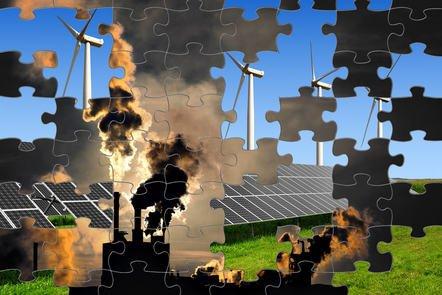
Tackling climate change demands profound and rapid energy system transformation. Discover how effective governance enables this. Understand the importance of governance for rapid energy system decarbonisation. Energy governance includes the rules, regulations, institutions and politics that affect energy system change. Effective governance is key to the transformation of energy systems in order to tackle climate change with the urgency that’s needed.

Class Deals by MOOC List - Click here and see FutureLearn's Active Discounts, Deals, and Promo Codes.

On this course, you will explore how and why energy systems need to change, and what this means for security, people and costs. You will also learn about the key elements of effective energy governance and explore real-life examples of energy governance from around the world.

What topics will you cover?

Energy System Transformation: changes, challenges and governance

  • What energy systems are for and how they work
  • Links between energy systems, climate change, air pollution and equity
  • Exploring energy system change through a 4D approach (decarbonisation, decentralisation, digitisation and democratisation)
  • The role of energy governance in system transformation

Emerging Energy Systems

  • How are the characteristics and operation of energy systems changing
  • What does a smart and flexible future look like
  • Changing value flows and new business models within energy systems
  • What does the energy transformation mean for current institutions?

People, Scale and Society

  • How is the role of people within energy systems changing?
  • What is meaningful consent and why is it so important?
  • What is local energy, why is growing in importance and what are the implications of this?
  • How can we best coordinate change across multiple levels of the energy system?

Energy governance change for rapid decarbonisation

  • How to co-ordinating the governance of electricity, heat and transport
  • The importance of a people-focused energy system, and how to get it
  • Examples of good energy governance from other countries
  • A fit-for purpose energy governance framework for energy system transformation

What will you achieve?
By the end of the course, you'll be able to...

  • Explore the need for energy system transformation, ways to achieve it and the role of governance within it
  • Describe how the characteristics of energy systems are changing as they become smarter and flexible and what this means for institutions and system value streams
  • Explore how energy systems are becoming more localised and closer to people, and what the implications of this are for coordinating change
  • Identify what governance change is required to deliver a sustainable, equitable, affordable and secure energy system
  • Apply your knowledge of governance to identify suitable changes for rapid decarbonisation

Go to Class
MOOC List is learner-supported. When you buy through links on our site, we may earn an affiliate commission.

Related Courses

New Energy Technologies: Energy Transition and Sustainable Development (FutureLearn) FutureLearn
Grenoble Ecole de Management

New Energy Technologies: Energy Transition and Sustainable Development (FutureLearn)

Explore the development of new energy technologies and discover key energy challenges with this online course. In a world facing pressing energy challenges, the need for alternative energy and new energy technologies has never been more pressing. This course explores the new and upcoming technologies that may help solve some of the world’s biggest energy challenges - examining them from both a business and technological perspective.

Self Paced
4 Weeks
Thermodynamics in Energy Engineering (FutureLearn) FutureLearn
Hanyang University

Thermodynamics in Energy Engineering (FutureLearn)

Understand the basic thermodynamic principles widely used in many engineering fields: temperature, free energy and entropy. This free online course introduces the basic thermodynamic principles that are widely used in many engineering fields. It will prepare you for degree-level study, by helping you understand and apply thermodynamic fundamentals through real-world, problem-solving exercises.

No sessions available
5-12 Weeks
From the Big Bang to Dark Energy (Coursera) Coursera
The University of Tokyo

From the Big Bang to Dark Energy (Coursera)

We have learned a lot recently about how the Universe evolved in 13.7 billion years since the Big Bang. More than 80% of matter in the Universe is mysterious Dark Matter, which made stars and galaxies to form. The newly discovered Higgs-boson became frozen into the Universe a trillionth of a second after the Big Bang and brought order to the Universe.

Aug 10th 2026
4 Weeks
Wind resources for renewable energies (Coursera) Coursera
École Polytechnique

Wind resources for renewable energies (Coursera)

The main goal of this course is to get the necessary knowledge on atmospheric and fluid dynamics in order to quantify the wind resource of a local or regional area. We’ll learn about basic meteorology, the specific dynamics of turbulent boundary layers and some standard techniques to estimate wind resources regardless of the type of turbine used or the level of efficiency achieved.

Aug 10th 2026
4 Weeks
Climate and Energy: An Interdisciplinary Perspective (FutureLearn) FutureLearn
University of Glasgow,CIVIS

Climate and Energy: An Interdisciplinary Perspective (FutureLearn)

Explore climate change issues from an interdisciplinary perspective to find innovative solutions for a better future. Gain interdisciplinary skills for climate change solutions. On this four-week course, you’ll join educators from ten universities on a virtual field trip to a remote Swedish island to gain perspectives on climate and energy from a multitude of disciplines.

Self Paced
4 Weeks
Electrical Industry: Production and Economics (FutureLearn) FutureLearn
University of Padova

Electrical Industry: Production and Economics (FutureLearn)

Understand how the electricity system has developed over time, see what the future holds and the need to move to decarbonisation. Discover how electricity is produced and exchanged and the reasons behind it. This innovative, three-week course from the University of Padova is designed to illustrate how electricity is produced, and exchanged, and why.

Self Paced
4 Weeks
Mécanique du point matériel (Coursera) Coursera
École Polytechnique Fédérale de Lausanne

Mécanique du point matériel (Coursera)

Pour illustrer les concepts introduits dans la première partie, on traite ici des problèmes pour lesquels le système mécanique peut être considéré comme un point matériel. Cette partie couvre notamment les problèmes à traiter en coordonnées cylindriques ou sphériques, le problème des orbites des planètes et les référentiels accélérés.

Aug 10th 2026
5-12 Weeks
The Challenge of Clean Growth and Clean Cities (FutureLearn) FutureLearn
Manchester Metropolitan University

The Challenge of Clean Growth and Clean Cities (FutureLearn)

Discover technologies for clean growth, consider clean growth strategy and explore the skills required to meet clean city targets. Explore one of the ten pillars of the industrial strategy. On this course, you’ll explore the latest research that’s contributing to the decarbonisation of the UK. You’ll explore the current targets which are forecast to be met using technologies and solutions such as hydrogen in the gas network and large-scale deployment of fuel cells.

Self Paced
2 Weeks
Ecological and Energy Transitions in Southern Countries (Coursera) Coursera
École normale supérieure

Ecological and Energy Transitions in Southern Countries (Coursera)

This MOOC is at the junction between the development of Southern countries and sustainable development. It has: 1) a macroeconomic and financial dimension, developed by Gael Giraud and Alain Grandjean; 2) an ecological and climatic dimension, developed by David Claessen and ENS speakers; and 3) a focus on Southern countries, developed by AFD speakers.

Aug 17th 2026
5-12 Weeks