Tackling Environmental Challenges for a Sustainable Future (FutureLearn)

Offered by University of York,
Tackling Environmental Challenges for a Sustainable Future (FutureLearn)

Discover how environmental research can inform how we respond to and solve the major global environmental issues of today. Explore sustainable solutions to environmental issues like changing glaciers. Our energy use is unsustainable, we’re producing waste plastic that’s endangering oceans, and large parts of the natural world are disappearing. We know our planet is facing huge environmental challenges, but what are we doing to solve them?

Class Deals by MOOC List - Click here and see FutureLearn's Active Discounts, Deals, and Promo Codes.

On this course, you’ll discover how the environment is studied and learn how research at the University of York is helping to develop sustainable solutions to environmental problems.
The course will encourage you to reflect on the importance of a more sustainable future for our planet and will introduce you to the role the Sustainable Development Goals can play.

Syllabus

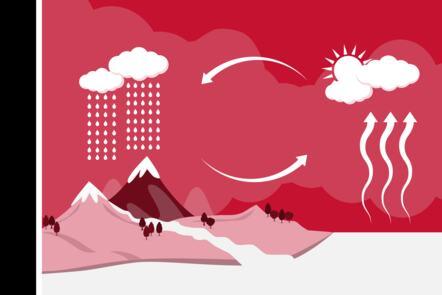
Week 1: Changing glaciers
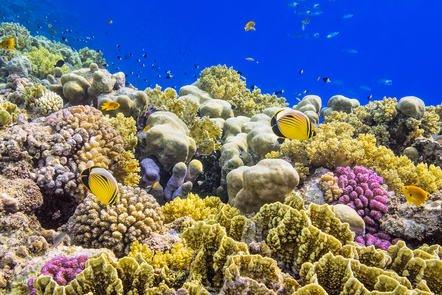
Week 2: Protecting our oceans
Week 3: Environment and development
Week 4: Energy and Society

What will you achieve?
By the end of the course, you‘ll be able to...

  • Explore major environmental challenges and how we investigate them.
  • Evaluate the importance of interactions between people and the planet.
  • Investigate potential sustainable solutions to major environmental problems.
  • Reflect upon the need for a sustainable future and the role of the Sustainable Development Goals.

Who is the course for?
There has never been a more important time to study the environment. This course is designed for anyone interested in how research is informing our knowledge of global environmental issues and potential solutions.
The course will be particularly useful for final year school students who are considering studying an environmental course at university. It will also appeal to anyone with an interest and with a general understanding of issues surrounding environmental issues.

Go to Class
MOOC List is learner-supported. When you buy through links on our site, we may earn an affiliate commission.

Related Courses

Renewable Energy: Achieving Sustainability through Bioenergy (FutureLearn) FutureLearn
University of Leeds

Renewable Energy: Achieving Sustainability through Bioenergy (FutureLearn)

Understand the principles of bioenergy and learn how to harness this form of renewable energy to achieve sustainability. Learn about the principles and environmental implications of bioenergy. On this two week course, you will explore bioenergy, one of the most diverse and readily available sources of renewable energy. You’ll look into what types of biomass can be used and how sustainable energy solutions can be developed in a wide range of communities.

Self Paced
2 Weeks
One Health: Connecting Humans, Animals and the Environment (FutureLearn) FutureLearn
University of Basel

One Health: Connecting Humans, Animals and the Environment (FutureLearn)

BBecome familiar with One Health, a promising concept, and the effective solutions it provides for urgent health problems. Expand how you address health issues, learning from top One Health experts. In today’s globalised world, old diseases persist and new illnesses spread faster than ever thanks to interconnected ecosystems and the close ties between humans and animals.

Oct 9th 2023
5-12 Weeks
Introduction to Sustainable Practices in Food Service (FutureLearn) FutureLearn
International Culinary Studio

Introduction to Sustainable Practices in Food Service (FutureLearn)

Create a more sustainable food service business and make a difference to your bottom line, your stakeholders, and the environment. Improve your sustainable practices within your organisation. Sustainability isn’t just about ‘greening’; sustainability actually means ‘meeting the needs of the present without compromising the ability of future generations to meet their needs.’ On this course, you’ll look at general global sustainability concepts, issues, and concerns, before focusing on sustainability specifically within food service and what you can do to reduce your impact.

Self Paced
2 Weeks
Social Innovation: Global Solutions for a Sustainable Future (FutureLearn) FutureLearn
MINCA,Biji-biji Initiative

Social Innovation: Global Solutions for a Sustainable Future (FutureLearn)

Discover the power of social innovation, and how it can change the world for the better. Explore the importance of social innovation in a changing world. Social innovation is the process by which new ways of doing things are created to respond to society’s needs. This can be technological – embracing open-source or online technology, for example – or it can be social, via encouraging local entrepreneurship.

Self Paced
3 Weeks
Planet Earth: Understanding and Protecting our Environment (FutureLearn) FutureLearn
University of Leeds

Planet Earth: Understanding and Protecting our Environment (FutureLearn)

Learn about the physical geography of Earth and discover how to use this knowledge to protect our natural environment. Discover the Earth’s natural systems and how human activity affects them. On this two-week course from the University of Leeds, you will discover the processes of the hydrosphere, the geosphere, and the biosphere and explore the impact of human activity and climate change on our planet.

Self Paced
2 Weeks
Chemometrics in Air Pollution (FutureLearn) FutureLearn
University of Malaya

Chemometrics in Air Pollution (FutureLearn)

This course briefly introduces the causes and effects of air pollution in Asian, chemometric models and chemometric application. This course briefly introduces the causes and effects of air pollution. Air pollution is a growing concern the we experience in our daily life. But not everyone has a clear understanding of what the sources of air pollution are. Here, you will not only learn how to identify them, but also understand the potential impact air pollution has in our present and future.

Self Paced
3 Weeks
IUCN Red List of Ecosystems: The Global Standard for Assessing Risks to Ecosystems (FutureLearn) FutureLearn
Deakin University

IUCN Red List of Ecosystems: The Global Standard for Assessing Risks to Ecosystems (FutureLearn)

This course introduces the IUCN Red List of Ecosystems and its successful use and policy impact through real-world case studies. Learn how the Red List of Ecosystems is helping to sustain global biodiversity. Nature is under threat around the world. Understanding where ecosystems are at greatest risk allows us to act to sustain species and ecosystems.

Self Paced
2 Weeks
Environmental Challenges: Scarcity and Conflict in the Natural Environment (FutureLearn) FutureLearn
University of Leeds

Environmental Challenges: Scarcity and Conflict in the Natural Environment (FutureLearn)

War and conflict can severely disrupt the governance of the environment. What is the impact on both people and the environment? This course explores three aspects of conflict and resource scarcity, and applies these to explore decision making and negotiation skills. Human conflict has both short and long term effects on the natural world.

Self Paced
2 Weeks
Sustainability Through Film (FutureLearn) FutureLearn
INTO FILM

Sustainability Through Film (FutureLearn)

Engage and empower your students when teaching sustainability, using film analysis and basic filmmaking principles. Use film and filmmaking to provide meaningful lessons in sustainability. Film is an engaging way to reach young people on any topic or subject, bringing important topics to life and adding context to learning. With that in mind, Into Film presents this two-week course showing you how to teach learners aged 5 to 19 about sustainable practices using short films.

Self Paced
2 Weeks
Environmental Challenges: Hierarchy in Property Rights (FutureLearn) FutureLearn
University of Leeds

Environmental Challenges: Hierarchy in Property Rights (FutureLearn)

How does language help us develop our relationship with nature and determine the rights of access and ownership? Increasing populations and social changes are pressurising our relationship with the environment. Property rights are embedded in power structures and land management. This course explores the different ways that nature is perceived by different types of societies and the impact of property rights on natural resource management.

Self Paced
2 Weeks
Environmental Challenges: Human Impact in the Natural Environment (FutureLearn) FutureLearn
University of Leeds

Environmental Challenges: Human Impact in the Natural Environment (FutureLearn)

Complexity in nature arises from a myriad of simple interactions. How can this lead to an unpredictable dynamism? Complex patterns in ecology are not always causal and predictable. Populations have their own dynamics that can be independent of external environmental conditions. In this course we look at the way that natural systems are organised; although living systems are complex, there are also some fairly constant patterns and relationships.

Self Paced
2 Weeks