Medical Equipment Donations to Low Resource Settings (FutureLearn)

Medical Equipment Donations to Low Resource Settings (FutureLearn)

Learn how to plan a medical equipment donation to a low-resource setting that's appropriate, sustainable, and has a real impact. Navigate the pitfalls of planning and organising donations of medical equipment. Unavailability of essential clinical equipment can be a serious problem in low-resource settings. On this course, developed in collaboration with the Tropical Health Education Trust (THET), you‘ll learn best practices in planning a donation of medical equipment to a low-resource setting.

Class Deals by MOOC List - Click here and see FutureLearn's Active Discounts, Deals, and Promo Codes.

Whilst medical equipment donations can play a critical role in filling gaps, without careful planning, donations can fail and even become a burden on the receiving institution.
You’ll discover how to decide what to donate to have the greatest long-term impact, how to ensure your donation will be sustainable, and the key pitfalls to consider.

Get practical advice on shipping, costs, and funding
Using case studies of successful donations in different contexts, you’ll have the opportunity to discuss and develop your ideas with other learners.
You’ll also cover organisational issues like deciding on where to buy the equipment, shipping, customs, and costs to budget for.

Does this course feature coronavirus-specific advice for clinicians?
Yes. At the end of the course, you’ll be introduced to funding schemes that you can apply to today and specific reference will be made to issues related to the COVID-19 pandemic, including the challenge of sourcing high-quality Personal Protective Equipment during this time.

What topics will you cover?

  • Introduction to the challenges of healthcare in low-resource settings
  • Planning a donation: assessing what is needed
  • Feasibility and sustainability – is this going to work?
  • Options when sourcing the equipment: local versus international suppliers
  • Second-hand equipment donations
  • Medical device regulations
  • Usage and maintenance supplies
  • Budgeting and hidden costs

Learning on this course
You can take this self-guided course and learn at your own pace. On every step of the course you can meet other learners, share your ideas and join in with active discussions in the comments.

What will you achieve?
By the end of the course, you‘ll be able to...

  • Identify important stakeholders and other resources to consult when planning a donation of medical equipment.
  • Describe the different steps in the medical equipment lifecycle, and consider what will be required at each stage to ensure the donation is both feasible and sustainable.
  • Assess common risks and pitfalls that may threaten the success of a donation.
  • Evaluate the different options available when sourcing equipment to donate, considering quality, the pros and cons and sustainability.
  • Describe which costs to include when budgeting for the cost of a donation, and describe an example of how to structure a budget.
  • Debate specific issues around the donation of equipment during the Covid-19 pandemic, including the problem of counterfeit PPE.

Who is the course for?
This course is designed for healthcare professionals – including medical students – considering donations of medical equipment to low-resource healthcare settings.

Go to Class
MOOC List is learner-supported. When you buy through links on our site, we may earn an affiliate commission.

Related Courses

Causes of Human Disease: Exploring Cancer and Genetic Disease (FutureLearn) FutureLearn
University of Leeds

Causes of Human Disease: Exploring Cancer and Genetic Disease (FutureLearn)

Explore how the unravelling of genetic code has led to a deeper understanding of genetic diseases and cancer. It’s widely known that some diseases run in families. The discovery of the structure of DNA and the unravelling of the genetic code has led to a deeper understanding of such diseases. We now know more about the genetic basis of cancer and how cancer cells are formed and reproduce. On this course you’ll explore the structure of DNA, its processes and learn how genetic disease results from DNA alterations.

Self Paced
2 Weeks
Why Do We Age? The Molecular Mechanisms of Ageing (FutureLearn) FutureLearn
University of Groningen,University Medical Center Groningen - UMCG

Why Do We Age? The Molecular Mechanisms of Ageing (FutureLearn)

Why do we age? Is there a limit to human lifespan? Can we prolong our lives? Find out with this free online course. Discover the science behind the ageing process. The “why” and “how” of ageing has puzzled mankind ever since it questioned its place in the universe.

Self Paced
5-12 Weeks
Heart Health: A Beginner's Guide to Cardiovascular Disease (FutureLearn) FutureLearn
University of Reading

Heart Health: A Beginner's Guide to Cardiovascular Disease (FutureLearn)

Learn more about how your heart works, the causes of heart disease and how to keep your heart healthy with this free online course. Learn how to keep your heart healthy. Your heart beats around 100,000 times a day, pumping blood around your body to deliver oxygen and nutrients, while taking away waste products. When your heart is unhealthy, it can’t perform this vital task so effectively.

Self Paced
4 Weeks
Dysphagia: Swallowing Difficulties and Medicines (FutureLearn) FutureLearn
University of East Anglia

Dysphagia: Swallowing Difficulties and Medicines (FutureLearn)

This course will enhance the knowledge of any person involved in the administration of medicines to patients with dysphagia. The course offers an opportunity to network with other learners and with the creators of the course through discussions, graphs and social networking features and to share knowledge with other learners and professionals.

Self Paced
5-12 Weeks
Causes of Human Disease: Understanding Cardiovascular Disease (FutureLearn) FutureLearn
University of Leeds

Causes of Human Disease: Understanding Cardiovascular Disease (FutureLearn)

Explore normal cardiovascular function and risk factors associated with heart attack, stroke and other cardiovascular diseases. Cardiovascular diseases are the leading global cause of death. On this course, you’ll learn how the cardiovascular system functions and understand common cardiovascular diseases like heart attack and stroke, as well as the risk factors associated with them.

Self Paced
2 Weeks
Causes of Human Disease: Understanding Causes of Disease (FutureLearn) FutureLearn
University of Leeds

Causes of Human Disease: Understanding Causes of Disease (FutureLearn)

Learn the epidemiological methods used to understand the causes of diseases and how social factors influence their development. What causes human disease? Why do some people get a disease but others don’t? Through this course, you’ll learn how epidemiologists are helping to find answers to these complex questions and how the health of a population is measured and analysed.

Self Paced
2 Weeks
Introduction to Health Technology Assessment (FutureLearn) FutureLearn
University of Glasgow

Introduction to Health Technology Assessment (FutureLearn)

Learn about health technology assessment (HTA) and quality of life (QoL), and how they’re used to decide which treatments to fund. Get an introduction to health technology assessment (HTA). This online course provides a short, interactive introduction to health technology assessment (HTA), based on the University of Glasgow’s successful online distance-learning programme, the MSc in HTA.

Self Paced
3 Weeks
Liver Disease: Looking After Your Liver (FutureLearn) FutureLearn
University of Birmingham

Liver Disease: Looking After Your Liver (FutureLearn)

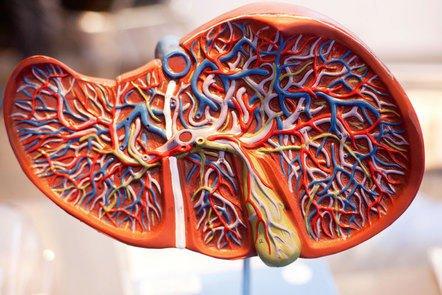
Learn about how your liver works, ways to look after it and how liver damage is caused, studied and treated around the world. We are currently experiencing an international explosion of liver disease that continues to have enormous impact upon healthcare systems and global health. In the UK we have seen a 20% increase in deaths related to liver disease since 2000 and this pattern reflects the global situation.

Self Paced
3 Weeks