EdX

Sustainable Energy (edX)

Offered by MIT, MITx,
Sustainable Energy (edX)

Learn to critically analyze modern energy technologies from engineering and socio-political perspectives, and gain the skills necessary to help the world meet rising energy demand while reducing carbon dioxide and other greenhouse gas emissions driving climate change.

Class Deals by MOOC List - Click here and see EdX's Active Discounts, Deals, and Promo Codes.

Climate change is an urgent global challenge demanding engineering solutions and large-scale, systems-oriented coordination. In Sustainable Energy, you’ll join thousands of global learners in examining conventional and renewable energy generation technologies, studying how they are deployed throughout the world, and evaluating their roles in the future energy landscape. Technologies include solar power, wind power, storage, nuclear power, hydropower, and bioenergy.
In addition to technological components, you’ll become familiar with the economic, political, and social dimensions of energy project planning. Professionals from diverse backgrounds must work together to determine pathways to decarbonization amidst scientific uncertainty and unique geopolitical challenges. You will be presented with advanced tools and strategies to explore pathways to decarbonization in specific contexts, and to build consensus among stakeholders.
This course is part of the Future Energy Systems XSeries.

What you'll learn

  • How to critically evaluate key features, opportunities, and challenges associated with modern energy technologies, and understand how these factors shape their contributions to global decarbonization
  • Use systems-level tools and skills to analyze the technological, economic, and socio-political dimensions of real-word energy projects
  • Build consensus among involved stakeholders to achieve sustainability goals
Go to Class
MOOC List is learner-supported. When you buy through links on our site, we may earn an affiliate commission.

Related Courses

Solar Energy: Integration of Photovoltaic Systems in Microgrids (edX) EdX
Delft University of Technology,DelftX

Solar Energy: Integration of Photovoltaic Systems in Microgrids (edX)

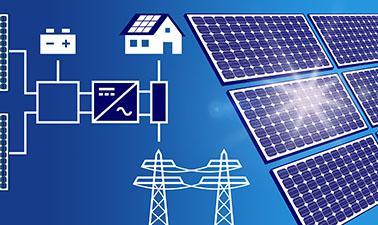
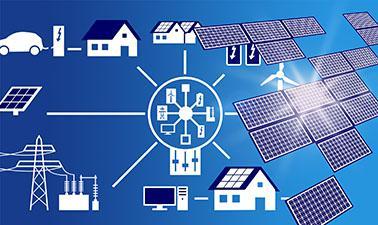
Learn how to integrate a photovoltaic system into a microgrid of your design. Photovoltaic systems are often placed into a microgrid, a local electricity distribution system that is operated in a controlled way and includes both electricity users and renewable electricity generation. This course deals with DC and AC microgrids and covers a wide range of topics, from basic definitions, through modelling and control of AC and DC microgrids to the application of adaptive protection in microgrids.

Self Paced
5-12 Weeks
Building expertise on developing sustainable and resilient infrastructure (edX) EdX
École Polytechnique Fédérale de Lausanne,EPFLx

Building expertise on developing sustainable and resilient infrastructure (edX)

This course provides knowledge, builds expertise and provides tools on the planning, financing, procurement and contracting of sustainable and resilient infrastructure projects. This course provides knowledge, builds expertise and provides tools on the planning, financing, procurement and contracting of sustainable and resilient infrastructure projects.

Self Paced
Self-Paced
Sustainable Development: The Post-Capitalist Order (edX) EdX
SDGAcademyX,SDG Academy

Sustainable Development: The Post-Capitalist Order (edX)

Sustainable development represents a shift from our current system of inequitable capitalism to one that prioritizes prosperity for all, while remaining conscious of its environmental impact and sustainability for future generations. Learn why sustainable development has been adopted by countries and multilateral organizations around the world, and how this approach is transforming the way we live, work, and govern our planet.

Self Paced
Self-Paced
Circular Economy: An Introduction (edX) EdX
Delft University of Technology,DelftX

Circular Economy: An Introduction (edX)

Ready to make a difference? Learn how to contribute to a sustainable economic system by implementing novel business and design approaches! Our global society is not sustainable. We all know about the challenges we’re facing: waste, climate change, resource scarcity, loss of biodiversity. At the same time, we want to sustain our economies and offer opportunities for a growing world population. This course is about providing solutions we really believe in: a Circular Economy.

Self Paced
Self-Paced
Solar Resource Assessment in Desert Climates (edX) EdX
Hamad Bin Khalifa University - HBKU,HBKUx

Solar Resource Assessment in Desert Climates (edX)

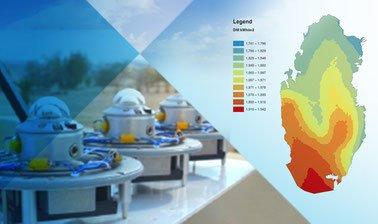
Learn how to use the components of solar radiation, solar spectrum, forecasting and meteorology to advocate and plan for deploying PV in desert climates. Desert regions may seem optimal for solar energy and the deployment of photovoltaic (PV) applications. However, the heat and dust experienced in the region poses a challenge for the optimal performance of PV modules and reliability of the applications.

Self Paced
Self-Paced
Industrial Biotechnology (edX) EdX
Delft University of Technology,DelftX

Industrial Biotechnology (edX)

Learn the basics of sustainable processing for biobased products to further understand their impact on global sustainability. As fossil-based fuels and raw materials contribute to climate change, the use of renewable materials and energy as an alternative is increasingly important and common. This transition is not a luxury, but rather a necessity.

Self Paced
Self-Paced
Sustainability in Architecture: An Interdisciplinary Introduction (edX) EdX
Universitat Politècnica de València,UPValenciaX

Sustainability in Architecture: An Interdisciplinary Introduction (edX)

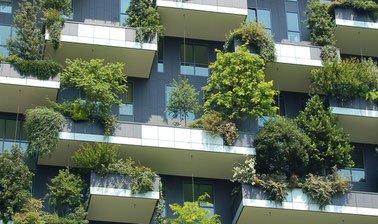
This course introduces the basic elements and trends that define sustainability practices in Architecture today. It follows an interdisciplinary approach that includes performance assessment and urban policies. This course offers an interdisciplinary approach to sustainability in Architecture. Learners will be introduced to the basic elements of sustainability assessments (first model layer), as well as trends informing the space today.

Self Paced
Self-Paced
Sustainable Packaging in a Circular Economy (edX) EdX
Delft University of Technology,DelftX

Sustainable Packaging in a Circular Economy (edX)

Learn how to apply the principles of the circular economy to sustainable packaging systems. It has become almost impossible to imagine what our lives would be like without the many benefits of packaging - just think about the different packaging and single-use items you use on a daily basis. Yet as our global population grows in size and affluence, both our collective demand for packaging materials and the waste we generate as a result will increasedramatically.

Self Paced
Self-Paced
Sustainable Global Food Systems (edX) EdX
University of Edinburgh,EdinburghX

Sustainable Global Food Systems (edX)

How do we feed 11 billion people? Discover the importance of sustainable food systems on a global scale. We are currently facing one of the biggest challenges worldwide: how to feed a growing population without exhausting global resources. This course examines food security from a food systems perspective and illustrates the major global challenges present, from the environmental impact of food production to the public health impacts of current and future diets.

Self Paced
Self-Paced
Electric Cars: Introduction (edX) EdX
Delft University of Technology,DelftX

Electric Cars: Introduction (edX)

Get a basic understanding of electric cars and learn about leading technologies, development of profitable business models and effective policies. Electric vehicles are the future of transportation. Electric mobility has become an essential part of the energy transition, and will imply significant changes for vehicle manufacturers, governments, companies and individuals.

Self Paced
Self-Paced
Circular Economy for a Sustainable Built Environment (edX) EdX
Delft University of Technology,DelftX

Circular Economy for a Sustainable Built Environment (edX)

Learn how the principles of the Circular Economy can be applied to the built environment ranging from products and buildings to metropolitan and regional development strategies. In this course you will become familiar with circularity as a systemic, multi-disciplinary approach, concerned with the different scale, from material to product, building, city, and region.

Self Paced
Self-Paced