Space is Everywhere (Coursera)

Space is Everywhere (Coursera)

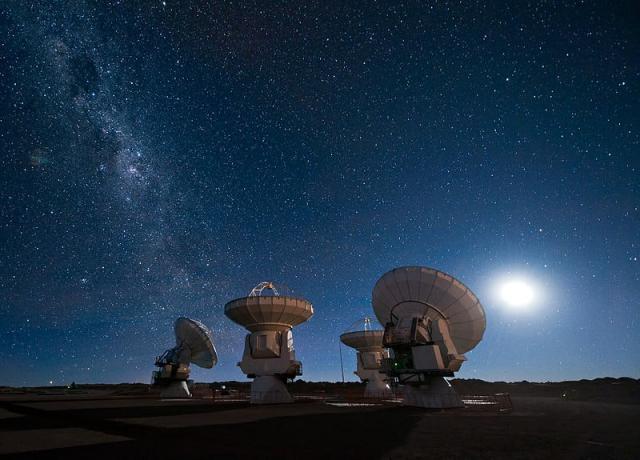
You are here! Welcome to Course 4 - Space is Everywhere and the last course of this specialization. You are on the final stretch of this journey to finding your Pathway to Space. The topics of Course 4 span four weeks and nine lessons with 36 learning objectives. This course contains some of my most favorite aha moments in the the entire specialization. I hope that you find them and that they impact you in a positive way. We will discuss how space is communicated through news, art, movies, books, music and more. Space is everywhere in our lives and therefore everyone can be involved in it. So keep up the pace. You can do this. Your reward awaits you, finding your pathway to space.

Class Deals by MOOC List - Click here and see Coursera's Active Discounts, Deals, and Promo Codes.

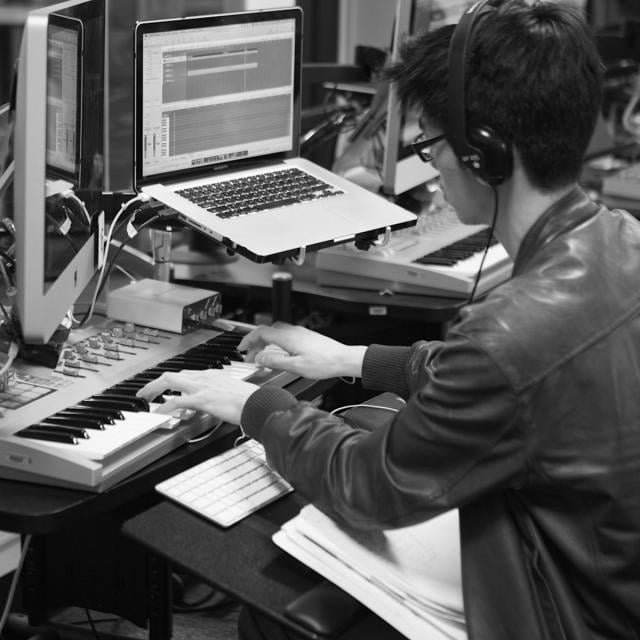
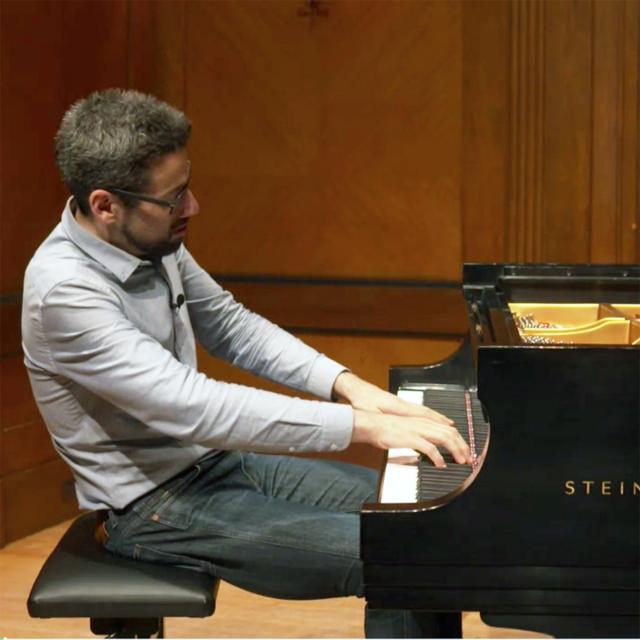
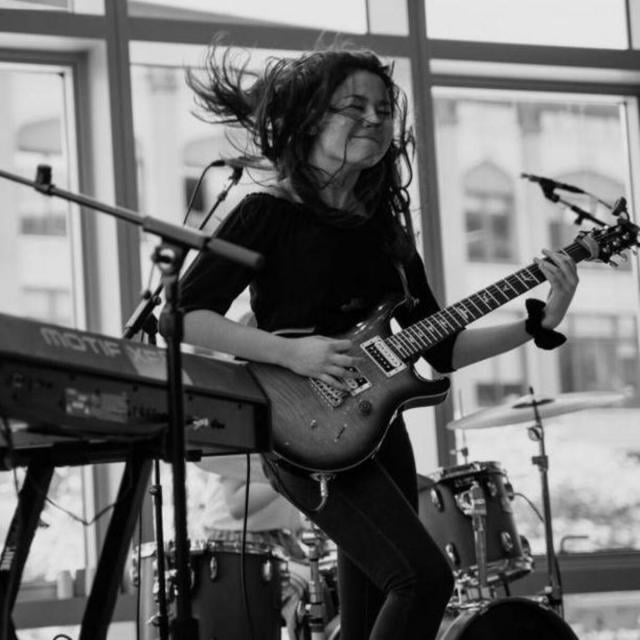
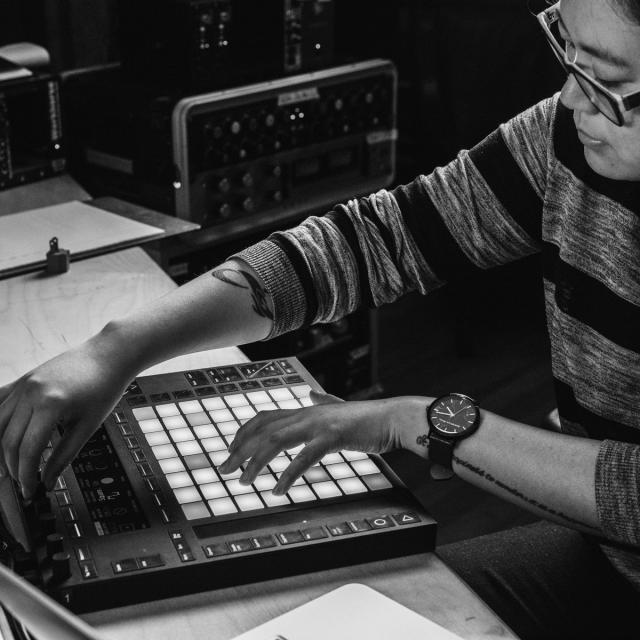
Week 1 - We will start with Space in Journalism with Paul Daugherty where Paul and I will discuss the importance of communicating science and space matters in an engaging and accurate way. Space and Music, with Dr. Jay Keister, explores role music has had and continues to have in our perceptions of space. Both lessons are eye and ear opening.
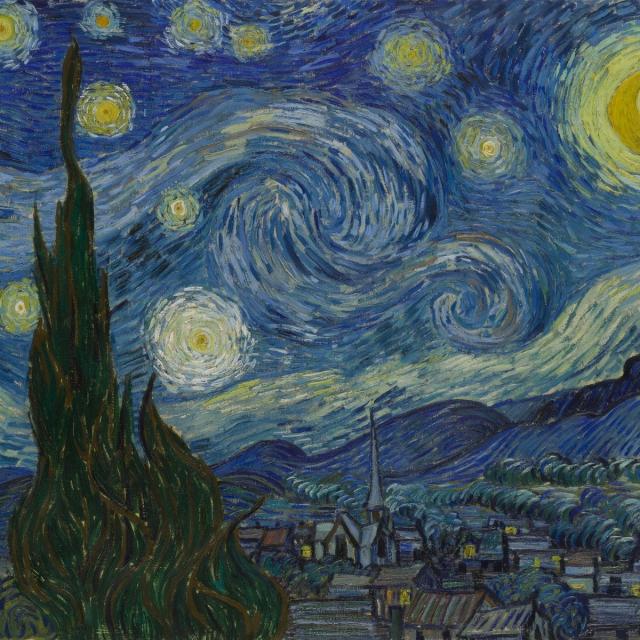
Week 2 - This week includes two special discussions centered around art. To bring the wonder of space and the science we do to everyone is best done through art. In the Art of Space, Erin Espelie and I discuss the significance of art as effective tool to inspire those interested in space to pursue and/or question it further. Erin is filmmaker and created a film just for this course. Joby Harris and I discuss the significance of Visualizing Space Exploration in his lesson. Joby uses many tools to bring a space mission to life well before it has even been funded. He explains his process and demonstrates some of his creativity in a interesting demonstration.
Week 3 - In this time of history, movies and tv shows play a large role in the visual entertainment of humans and some animals. However before this medium, writings played that role. In this week's lesson we discuss both. With Scott Millspaugh's lesson on Space Through the Ages, we discuss how space and it's influence on society was captured and communicated over great periods of time. And how some of these beliefs lasted over a thousand years. In Space and Movies, Dr. Ernesto Acevedo Muñoz and I discuss the movie that changed everything when it comes to space as well as those before and after.
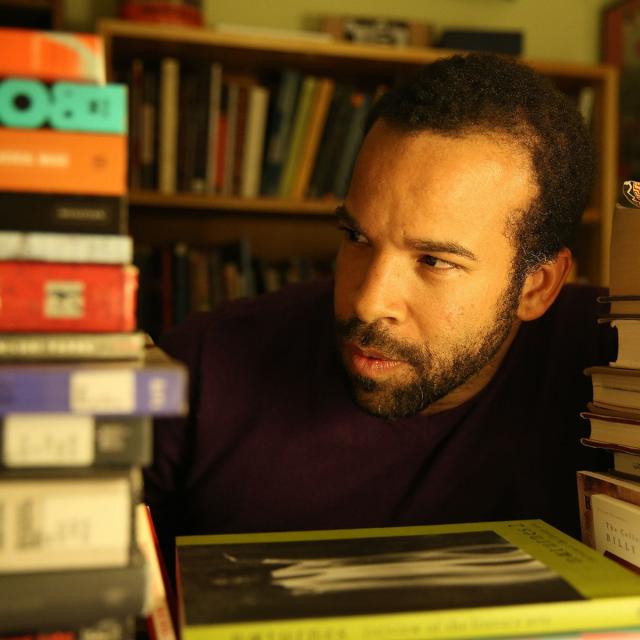
Week 4 - The last week of lessons. I purposely put them at the end as I feel they are a fitting way to end to this specialization. In Science Fiction, Dr. William Kuskin and I revisit the concept of Space and Wonder and its influence on our imagination. How the power of imagination generates hope for all that wield it. In One Pathway to Space, I walk you through a journey in rocket history and connect that history to one book that shaped humanity's future in space. And last but not least, we end the course and this specialization with one final goodbye to the crew and the USS Pathway to Space. In addition, I have arranged for a very special VIP transporter. It is truly the end but it is also just the beginning. Enjoy!
Course 4 of 4 in the Pathway to Space Specialization.

What You Will Learn

  • You will learn about the cosmos and your place in it, the ways we explore space, and how people and politics play a role in what we learn.
  • Plus you will learn how space influences everything in our world all while finding your pathway to space.

Syllabus

WEEK 1
The Journalism of Space
Chris and Paul Daugherty (CUB) explore the tools of an effective science journalist and discover how their reporting on science influences the politics, policy, and public perception of space. [CUB = University of Colorado Boulder]
Space and Music
Chris and Dr. Jay Keister (CUB) perform an examination of the ways we use music to think about space, and space to think about music. [CUB = University of Colorado Boulder]

WEEK 2
The Art of Space
Chris and Erin Espelie (CUB) perform an examination of the role of art in space and its influences on our human nature to contribute to the larger understanding of the cosmos and our place in it. [CUB = University of Colorado Boulder]
Visualizing Space Exploration
Chris and Joby Harris (JPL) explore, through an artist's perspective, the role art plays in communicating the discoveries and future of space exploration through visualization. [JPL = Jet Propulsion Laboratory]

WEEK 3
Space Through the Ages
Chris and Dr. Scott Millspaugh (CUB) explore how humanity made sense of our place in space through the ages. [CUB = University of Colorado Boulder]
Space and Movies
Chris and Dr. Ernesto Acevedo-Muñoz (CUB) discuss an overview of how movies transport our minds and alter our perceptions of space. [CUB = University of Colorado Boulder]

WEEK 4
Science Fiction
Chris and Dr. William Kuskin (CUB) take a look at the role art and science fiction play in shaping and creating new realities and understandings of our world and the cosmos. [CUB = University of Colorado Boulder]
One Pathway to Space
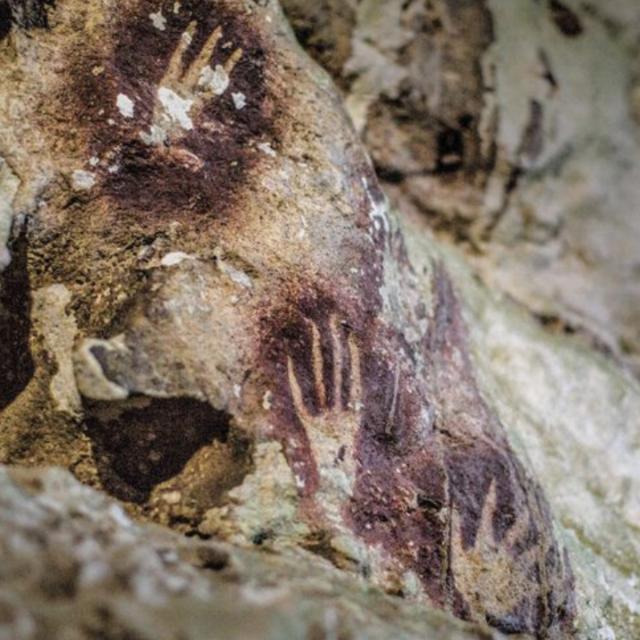
Chris provides you with a real life example of how one book influenced three individuals and forever changed humans from cave dwellers to star explorers.
Specialization Wrap Up
Chris and the USS Pathway to Space Crew reflect on our journey together as we review where we have gone and what we have discovered + a very VIP transporter!

Go to Class
MOOC List is learner-supported. When you buy through links on our site, we may earn an affiliate commission.

Related Courses

William Shakespeare's Twelfth Night: Comedy, Conflict, and Community (Coursera) Coursera
University of Colorado Boulder

William Shakespeare's Twelfth Night: Comedy, Conflict, and Community (Coursera)

This course introduces and explores William Shakespeare’s classic comedy, Twelfth Night. Interviews with actors who appeared in the Colorado Shakespeare Festival’s 2019 production of Twelfth Night, as well as lectures by scholars and theater professionals who work and teach at the University of Colorado Boulder, offer students insight into Shakespeare’s artistic vision and its applications.

Aug 17th 2026
5-12 Weeks
Copyright for Multimedia (Coursera) Coursera
Duke University,Emory University,University of North Carolina

Copyright for Multimedia (Coursera)

Copyright questions about different formats (data, images, music and video) can be especially difficult. Sometimes the law specifically distinguishes between these different formats, and in most cases there are media-specific considerations that impact a copyright analysis. In this course we will look at four different media, paying special attention to the unique issues for each one and the kinds of information that is important when making copyright decisions for each type of material.

Aug 17th 2026
4 Weeks
Guitar Scales and Chord Progressions (Coursera) Coursera
Berklee College of Music

Guitar Scales and Chord Progressions (Coursera)

You’ve got the guitar basics down: You can strum your guitar and play a few of your favorite songs, but you’re ready to take the tunes to the next level. In Guitar Scales and Chord Progressions you’ll expand your knowledge of scales, chord fingerings, and common chord progressions. You’ll also learn important skills for soloing, creating melodies, and adding depth and dimension to your guitar playing. This course is not only for the aspiring guitarist who has taken Berklee’s Guitar for Beginners, but also for guitarists who have let their six-string gather dust for too long, and want to brush up on techniques.

Aug 17th 2026
4 Weeks
The Cycle: Management of Successful Arts and Cultural Organizations (Coursera) Coursera
University of Maryland, College Park

The Cycle: Management of Successful Arts and Cultural Organizations (Coursera)

What makes a successful arts and cultural organization? Led by DeVos Institute Chairman Michael M. Kaiser and President Brett Egan, this course will introduce you to a management theory called the Cycle which supports thriving arts and cultural organizations. Learning from our work with managers from over 80 countries around the world, the DeVos Institute developed the Cycle as a simple, but powerful tool to assist managers in their effort to respond to an increasingly complex environment and propel their institutions to excellence.

Aug 10th 2026
5-12 Weeks
Understanding the Music Business: What is Music Worth? (Coursera) Coursera
Vanderbilt University

Understanding the Music Business: What is Music Worth? (Coursera)

This course will examine the music industry in the United States, with the unique perspective gained by Vanderbilt University’s location in Nashville, TN. Nashville is a major center of music in the United States, and the music created here has a global reach, particularly in the country, rock, pop, singer-songwriter, and Americana genres. However, students will learn that the basic principles of recording, marketing, copyright, licensing, and live performance are the same, regardless of musical style or genre.

Aug 17th 2026
5-12 Weeks
New Space: Access to space - Basics (Coursera) Coursera
ISAE-SUPAERO

New Space: Access to space - Basics (Coursera)

The spirit of NewSpace is revolutionizing our vision of access to space. Reading keys will enable you to understand the technological and strategic challenges in games with new rules, fixed by ambitious players. Combine the new technologies and management of space access with the classical paradigm of the existing space context.

Aug 17th 2026
3 Weeks
ART of the MOOC: Public Art and Pedagogy (Coursera) Coursera
Duke University,Creative Time

ART of the MOOC: Public Art and Pedagogy (Coursera)

Students of this course may try their hand at their own public art interventions, or simply focus on learning from the theory of public practice and its recent history. Designed by artist and Duke professor, Pedro Lasch, and co-taught by Creative Time artistic director, Nato Thompson, this course presents public culture and art in their radically reinenvented contemporary forms. The lectures link major developments of recent decades to wider topics like spatial politics, everyday social structures, and experimental education.

Aug 17th 2026
5-12 Weeks
Developing Your Musicianship (Coursera) Coursera
Berklee College of Music

Developing Your Musicianship (Coursera)

Learn the basic concepts and approaches needed to understand, create, and perform contemporary music. If you have a passion for music and are curious about how it works, or if you are a musician who learned to play by ear without formal study, this course will provide you with an engaging introduction to key concepts and approaches needed to understand, create, and perform contemporary music. Taught by Berklee College of Music professor George W. Russell, Jr., the course includes six lessons that delve into harmony and ear training—two areas of intensive focus for every entering Berklee student.

Aug 10th 2026
5-12 Weeks
The Blues: Understanding and Performing an American Art Form (Coursera) Coursera
University of Rochester

The Blues: Understanding and Performing an American Art Form (Coursera)

The blues is an American art form and the most important musical form in jazz. Although there are other formal paradigms of the blues, such as 8-bar or 16-bar, this course focuses on different incarnations of the 12-bar blues. There are considerable differences between Early Jazz blues, Swing blues, Bebop blues, Modal blues, and Post Bop blues.

Aug 10th 2026
5-12 Weeks
Music and Social Action (Coursera) Coursera
Yale University

Music and Social Action (Coursera)

What is a musician’s response to the condition of the world? Do musicians have an obligation and an opportunity to serve the needs of the world with their musicianship? At a time of crisis for the classical music profession, with a changing commercial landscape, a shrinking audience base, and a contraction in the number of professional orchestras, how does a young musician construct a career today? Are we looking at a dying art form or a moment of reinvigoration?

Aug 10th 2026
5-12 Weeks
Jazz Improvisation (Coursera) Coursera
Berklee College of Music

Jazz Improvisation (Coursera)

Learn the basic concepts of improvisation from Gary Burton, one of the most renowned improvisers in the jazz world, including the mental, melodic, and harmonic processes that contribute to the instinctive skills that an improviser puts to use when taking a solo. While many people are fans of jazz and understand that musicians are often “making up” the notes they are playing during a performance, most people—often including musicians, themselves, who are beginning to learn improvising—aren’t clear about what exact processes take place to enable this to happen. The purpose of this course is to introduce the basic concepts of modern improvisation and how to go about mastering the different musical and mental skills involved.

Aug 10th 2026
5-12 Weeks