Pharmacokinetics: Drug Dosing in Renal Disease (FutureLearn)

Pharmacokinetics: Drug Dosing in Renal Disease (FutureLearn)

Build clinical pharmacy skills and explore the complexities of drug dosing in renal disease with this pharmacokinetics course. Learn how renal disease affects kidney function and how to apply dosing regimens.

Class Deals by MOOC List - Click here and see FutureLearn's Active Discounts, Deals, and Promo Codes.

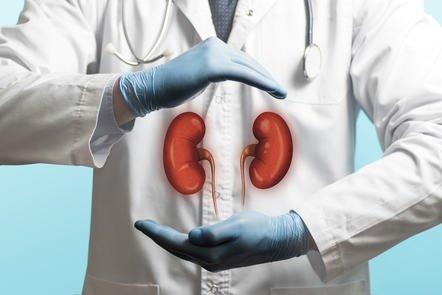
On this course, you will learn the principles of pharmacokinetics and drug dose adjustment in patients with renal disease. You will be introduced to basic kidney physiology and functions, including the filtration, secretion and reabsorption of water, and the mechanisms of renal drug excretion.
You will learn how to calculate renal clearance, and how to recommend dosing regimen for patients with the disease. You will also explore the general principles for dosage adjustment in dialysis patients, and be able to describe the typical clinical presentation of chronic renal failure.

What topics will you cover?

In this course, you will learn the principles of pharmacokinetics and drug dose adjustment in renal disease.

Week 1 - Renal Physiology and Function
Learn the basic physiology of the kidneys and describe filtration, secretion and reabsorption of water, electrolytes and small molecular weight non-electrolytes

Week 2 - Pharmacokinetics and Dosing Regimen in Renal Failure
Understand the mechanisms of renal drug excretion

Week 3 - Dosing Regimen And Therapeutic Drug Monitoring in Renal Failure
Become proficient at interpolating or extrapolating concentration based on first order kinetics

Week 4 - Dosing Regimen in Renal Dialysis
Learn to calculate dialysis clearance using the A-V difference method/ using dialysate concentration

Week 5 - Acute Renal Failure
Explore pathophysiology and the most common causes of prerenal, intrinsic, and postrenal.

Week 6 - Chronic Renal Failure
Learn to describe the typical clinical presentation of chronic renal failure

What will you achieve?
By the end of the course, you‘ll be able to...

  • Explain basic physiology of the kidneys
  • Calculate renal clearance by excretion rate method / renal clearance by urinary recovery method
  • Describe pharmacokinetic factors that affect dialysability of drugs
  • Describe the most common causes of chronic renal failure
  • Assess an appropriate therapy for chronic renal failure and secondary complications

Who is the course for?
This course is for anyone requiring clinical pharmacokinetic knowledge, including undergraduate pharmacy students, post-graduate pharmacy students and pharmacists in clinical practice.

Go to Class
MOOC List is learner-supported. When you buy through links on our site, we may earn an affiliate commission.

Related Courses

Causes of Human Disease: Understanding Cardiovascular Disease (FutureLearn) FutureLearn
University of Leeds

Causes of Human Disease: Understanding Cardiovascular Disease (FutureLearn)

Explore normal cardiovascular function and risk factors associated with heart attack, stroke and other cardiovascular diseases. Cardiovascular diseases are the leading global cause of death. On this course, you’ll learn how the cardiovascular system functions and understand common cardiovascular diseases like heart attack and stroke, as well as the risk factors associated with them.

Self Paced
2 Weeks
Challenges in Antibiotic Resistance: Gram Negative Bacteria (FutureLearn) FutureLearn
British Society for Antimicrobial Chemotherapy - BSAC

Challenges in Antibiotic Resistance: Gram Negative Bacteria (FutureLearn)

This course by BSAC is for healthcare professionals managing infections. You will learn about Gram Negative Bacteria. Identify, diagnose and treat gram negative bacterial infections. Gram negative bacteria (GNB) are a group of bacteria that can cause infection and toxic reaction in patients, yet are difficult to differentiate and treat with antibiotics due to their structure.

Self Paced
3 Weeks
Essentials of Good Pharmacy Practice: The Basics (FutureLearn) FutureLearn
Taipei Medical University

Essentials of Good Pharmacy Practice: The Basics (FutureLearn)

Discover the essential elements of the Good Pharmacy Practice (GPP) guidelines and how they support better pharmaceutical services. This course provides pharmacists with some essential knowledge to provide better pharmaceutical services and professional abilities, related to the World Health Organisation’s Good Pharmacy Practice (GPP) recommendations.

Self Paced
3 Weeks
Protecting Health Data in the Modern Age: Getting to Grips with the GDPR (FutureLearn) FutureLearn
University of Groningen

Protecting Health Data in the Modern Age: Getting to Grips with the GDPR (FutureLearn)

Learn how the GDPR helps to protect health data and get familiar with rights, obligations, risks and safeguards. Join this course to understand how health data is protected. People use technologies to track their fitness and health. Medical and health professionals use technologies to treat patients. These technologies generate a lot of health data. With technological developments in the health sector come questions of privacy.

Self Paced
2 Weeks
Biochemistry: the Molecules of Life (FutureLearn) FutureLearn
University of East Anglia

Biochemistry: the Molecules of Life (FutureLearn)

Explore the impact of biochemistry on bioenergy and health, discovering why graduates are in demand; with the Biochemical Society. Biochemistry brings together all of the sciences to study the chemical and physical processes that occur in living organisms. It truly is the science of life. As a scientific discipline in its own right, biochemistry has a major impact on all areas of the life sciences and biochemists are in high demand among employers.

Self Paced
3 Weeks
Causes of Human Disease: Understanding Causes of Disease (FutureLearn) FutureLearn
University of Leeds

Causes of Human Disease: Understanding Causes of Disease (FutureLearn)

Learn the epidemiological methods used to understand the causes of diseases and how social factors influence their development. What causes human disease? Why do some people get a disease but others don’t? Through this course, you’ll learn how epidemiologists are helping to find answers to these complex questions and how the health of a population is measured and analysed.

Self Paced
2 Weeks
Introduction to Critical Care Medicine (FutureLearn) FutureLearn
University of Glasgow

Introduction to Critical Care Medicine (FutureLearn)

Learn how to handle complex issues faced in Critical Care Units when other options on the ward have been exhausted. Learn how to manage common presentations seen in Critical Care Units. Critical care is an emerging specialty in hospitals and, with an increasing population living with multiple co-morbidites, the burden on Critical Care Units is rising. In this course, find out about the common presentations seen in a Critical Care Unit and how to manage them effectively.

Self Paced
3 Weeks
Causes of Human Disease: Exploring Cancer and Genetic Disease (FutureLearn) FutureLearn
University of Leeds

Causes of Human Disease: Exploring Cancer and Genetic Disease (FutureLearn)

Explore how the unravelling of genetic code has led to a deeper understanding of genetic diseases and cancer. It’s widely known that some diseases run in families. The discovery of the structure of DNA and the unravelling of the genetic code has led to a deeper understanding of such diseases. We now know more about the genetic basis of cancer and how cancer cells are formed and reproduce. On this course you’ll explore the structure of DNA, its processes and learn how genetic disease results from DNA alterations.

Self Paced
2 Weeks
Understanding Anxiety, Depression and CBT (FutureLearn) FutureLearn
University of Reading

Understanding Anxiety, Depression and CBT (FutureLearn)

Improve your understanding of depression and anxiety and find out more about an effective and evidence-based treatment: CBT. Anxiety and depression are terms discussed widely, in different media and amongst family and friends. But what do those labels actually mean? On this five week course, from the University of Reading, you will explore what it means to have anxiety or depression and how they are identified.

Self Paced
5-12 Weeks