Molecular Biology: How to Detect Pathogens in Aquaculture (FutureLearn)

Molecular Biology: How to Detect Pathogens in Aquaculture (FutureLearn)

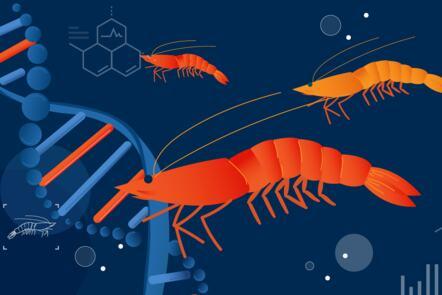
Gain an introduction to pathogens as you learn how to use PCR to analyse DNA and identify infectious diseases. On this four-week course, you’ll learn how to perform different molecular biology techniques for effective aquatic pathogen detection. Using white shrimp as your test subject, you’ll develop the skills to identify diseases, detect pathogens, and summarise your results in a report that can help with disease control.

Class Deals by MOOC List - Click here and see FutureLearn's Active Discounts, Deals, and Promo Codes.

Develop essential skills for disease prevention
Molecular biology techniques have become a well-established, accurate, and effective way to obtain pathogen detection results. This makes these techniques very powerful not only in aquatic pathogen detection but also other industries such as animal agriculture and in hospitals for human disease.

Understand the steps of RNA extraction
You’ll start by examining the anatomy of a white shrimp to help you identify the signs of three common diseases. With this knowledge, you’ll then explore how to prevent these diseases.
Next, you’ll learn DNA and total RNA extraction techniques to help you begin your analysis of white shrimp tissue.

Learn the procedures of cDNA synthesis and polymerase chain reaction
Polymerase chain reaction (PCR) plays an important role in the early detection and prevention of infectious diseases in aquaculture.
On the course, you’ll explore different PCR techniques, such as cDNA synthesis, to ensure you can detect shrimp viruses and potential causes of shrimp diseases.

Perform pathogen detection using molecular biology techniques
Finally, you’ll learn practical skills to perform pathogen detection using the molecular biology techniques explained on this course.
By the end, you’ll know how to collect and dissect diseased shrimp from farms, identify clinical signs of diseased shrimp, and perform tissue collections.

Syllabus

Week 1: Introduction of aquatic pathogen detection
Week 2: Chromosomal DNA extraction from white shrimp tissues
Week 3: RNA extraction from white shrimp tissues
Week 4: Procedures of RNA extraction and cDNA synthesis

What will you achieve?
By the end of the course, you‘ll be able to...

  • Explore anatomy of white shrimp
  • Interpret chromosomal DNA extraction from white shrimp tissues
  • Interpret the steps of RNA extraction from white shrimp tissues
  • Explain procedures of RNA Extraction and cDNA Synthesis
  • Explain steps for standard polymerase chain reaction (PCR)
  • Interpret steps for real-time quantitative polymerase chain reaction (qRT-PCR)

Who is the course for?
This course is designed for anyone interested in molecular biology and pathogen detection.
It will be most beneficial for students, biologists, or researchers who would like to learn the basics of tissue collection, nucleic acid extraction, and pathogen detection in white shrimp.

Go to Class
MOOC List is learner-supported. When you buy through links on our site, we may earn an affiliate commission.

Related Courses

Bioinformatic Methods I (Coursera) Coursera
University of Toronto

Bioinformatic Methods I (Coursera)

Large-scale biology projects such as the sequencing of the human genome and gene expression surveys using RNA-seq, microarrays and other technologies have created a wealth of data for biologists. However, the challenge facing scientists is analyzing and even accessing these data to extract useful information pertaining to the system being studied. This course focuses on employing existing bioinformatic resources – mainly web-based programs and databases – to access the wealth of data to answer questions relevant to the average biologist, and is highly hands-on.

Jul 27th 2026
5-12 Weeks
Molecular Biology – Part 3: RNA Processing and Translation (edX) EdX
MIT,MITx

Molecular Biology – Part 3: RNA Processing and Translation (edX)

An in-depth adventure through RNA Processing and Translation. Strengthen your scientific thinking and biological experimental design skills. In Part 3 of 7.28x, you’ll explore translation of mRNA to protein, a key part of the central dogma of biology. Do you know how RNA turnover or RNA splicing affects the outcome of translation? Although not official steps in the central dogma, the mechanisms of RNA processing strongly influence gene expression.

Self Paced
Self-Paced
Understanding Cancer Metastasis (Coursera) Coursera
Johns Hopkins University

Understanding Cancer Metastasis (Coursera)

Over 500,000 people in the United States and over 8 million people worldwide are dying from cancer every year. As people live longer, the incidence of cancer is rising worldwide, and the disease is expected to strike over 20 million people annually by 2030. Everyone has been, or will be touched by cancer in some way during their lifetime. Thanks to years of dedication and commitment to research we’ve made enormous advances in the prevention and treatment of cancer, But there is still a lot of work to be done. In this course, physicians and scientists at the Johns Hopkins School of Medicine explain how cancer spreads or metastasizes.

Aug 10th 2026
3 Weeks
Challenges in Antibiotic Resistance: Gram Negative Bacteria (FutureLearn) FutureLearn
British Society for Antimicrobial Chemotherapy - BSAC

Challenges in Antibiotic Resistance: Gram Negative Bacteria (FutureLearn)

This course by BSAC is for healthcare professionals managing infections. You will learn about Gram Negative Bacteria. Identify, diagnose and treat gram negative bacterial infections. Gram negative bacteria (GNB) are a group of bacteria that can cause infection and toxic reaction in patients, yet are difficult to differentiate and treat with antibiotics due to their structure.

Self Paced
3 Weeks
Cell Biology: Transport (edX) EdX
MIT,MITx

Cell Biology: Transport (edX)

How do we know what we know about cells? Enhance your scientific thinking and data analysis skills with this in-depth adventure through cell biology. This is the first cell biology course in a four-part series. How do we know what we know about cells at a molecular level and how can we use that knowledge to design experiments to test hypotheses in cell biology?

Feb 8th 2022
5-12 Weeks
Introduction to Genomic Technologies (Coursera) Coursera
Johns Hopkins University

Introduction to Genomic Technologies (Coursera)

This course introduces you to the basic biology of modern genomics and the experimental tools that we use to measure it. We'll introduce the Central Dogma of Molecular Biology and cover how next-generation sequencing can be used to measure DNA, RNA, and epigenetic patterns. You'll also get an introduction to the key concepts in computing and data science that you'll need to understand how data from next-generation sequencing experiments are generated and analyzed.

Aug 17th 2026
4 Weeks
Mini Medical School: Introduction to Medical Science (FutureLearn) FutureLearn
University of Colorado System

Mini Medical School: Introduction to Medical Science (FutureLearn)

Discover the science underpinning modern medical practice today and how to maintain and promote good physical and mental health. Master the basics of medicine with the University of Colorado School of Medicine. This three-week course offers you a fascinating and informative introduction to modern medicine.

Self Paced
3 Weeks