EdX

Molecular Biology – Part 3: RNA Processing and Translation (edX)

Offered by MIT, MITx,
Molecular Biology – Part 3: RNA Processing and Translation (edX)

An in-depth adventure through RNA Processing and Translation. Strengthen your scientific thinking and biological experimental design skills. In Part 3 of 7.28x, you’ll explore translation of mRNA to protein, a key part of the central dogma of biology. Do you know how RNA turnover or RNA splicing affects the outcome of translation? Although not official steps in the central dogma, the mechanisms of RNA processing strongly influence gene expression.

Class Deals by MOOC List - Click here and see EdX's Active Discounts, Deals, and Promo Codes.

Are you ready to go beyond the “what" of scientific information presented in textbooks and explore how scientists deduce the details of these molecular models?

Take a behind-the-scenes look at modern molecular biology, from the classic experimental events that identified the proteins and elements involved in translation and RNA splicing to cutting-edge assays that apply the power of genome sequencing. Do you feel confident in your ability to design molecular biology experiments and interpret data from them? We've designed the assessments in this course to build your experimental design and data analysis skills.
Let’s explore the limits of our current knowledge about the translation machinery and mechanisms of RNA turnover and splicing.

What you'll learn

  • How to compare and contrast translation in bacteria and eukaryotes
  • How to describe several mechanisms of RNA turnover and RNA splicing
  • How to analyze protein structures to infer functional information
  • How to design the best experiment to test a hypothesis
  • How to interpret data from translation and RNA processing experiments

Prerequisites:
7.00x Introduction to Biology or similar (undergraduate biochemistry, molecular biology, and genetics), 7.28.1x and 7.28.2x Molecular Biology or similar (advanced understanding of the central dogma)

Course Syllabus

Week 1: Translation I – Overview and Key Players
Week 2: Translation II – Elongation
Week 3: Translation III – Initiation and Termination
Week 4: Translation IV – Regulation of Translation
Week 5: RNA Splicing I – Mechanisms
Week 6: RNA Splicing II – Proofreading and Alternative Splicing
Week 7: RNA Turnover I – Assays and General Mechanisms
Week 8: RNA Turnover II – Specific Bacterial and Eukaryotic Mechanisms

Go to Class
MOOC List is learner-supported. When you buy through links on our site, we may earn an affiliate commission.

Related Courses

Essential Human Biology: Cells and Tissues (edX) EdX
University of Adelaide,AdelaideX

Essential Human Biology: Cells and Tissues (edX)

An introduction to the human body's most fundamental building blocks and their behaviours in health and disease. Are you preparing for a health-related career, or planning to study in the health sciences? Perhaps you're just keen to learn more about the wonders of the human body? Our bodies are amazing but complex biological machines. This course will provide you with an outstanding foundation of knowledge in human anatomy and physiology.

Self Paced
Self-Paced
AP® Biology - Part 2: Genetics (edX) EdX
Rice University,RiceX

AP® Biology - Part 2: Genetics (edX)

The second course in a comprehensive series designed to prepare you for the AP Biology exam, focusing on genetics and DNA. Preparing for the AP Biology exam requires a deep understanding of many different topics in biology as well as an understanding of the format of the AP exam and the types of questions it asks. This course is Part 2 of the AP Biology series designed to prepare you for the AP Biology exam.

No sessions available
5-12 Weeks
Algorithms and Data Structures Capstone (edX) EdX
University of California, San Diego,UC San DiegoX

Algorithms and Data Structures Capstone (edX)

Synthesize your knowledge of algorithms and biology to build your own software for solving a biological challenge. Building a fully-fledged algorithm to assemble genomes from DNA fragments on a real dataset is an enormous challenge with major demand in the multi-billion dollar biotech industry. In this capstone project, we will take the training wheels off and let you design your own optimized software program for genome sequencing.

Self Paced
Self-Paced
Nutrition and Health: Macronutrients and Overnutrition (edX) EdX
Wageningen University,WageningenX

Nutrition and Health: Macronutrients and Overnutrition (edX)

Learn the fundamentals of nutrition and its impact on human health. There is an overload of information about nutrition and health, but what is the truth and what can you do to improve the health of your patients? Learn more about nutrition and how our diet profoundly impacts our current and future health. This course addresses the relationship between nutrition and human health, with a focus on health problems related to overnutrition.

Self Paced
Self-Paced
BioStatistics (edX) EdX
DoaneX,Doane University

BioStatistics (edX)

This college-level, credit-eligible Biostatistics course will teach you the skills required for success in future analytical studies in biology. In this undergraduate-level biostatistics course, the learners will be introduced to the use of statistics and study designs in biology. Upon successful completion of this course, learners will be able to design experimental, quasi-experimental and observational studies that will meet regulatory guidelines; collect, analyze, and interpret data using appropriate statistical tools.

Self Paced
Self-Paced
Introduction to Biology - The Secret of Life (edX) EdX
MIT,MITx

Introduction to Biology - The Secret of Life (edX)

Explore the secret of life through the basics of biochemistry, genetics, molecular biology, recombinant DNA, genomics and rational medicine. 7.00x is an introductory level biology course hosted by professor Eric Lander, who was one of the leaders of the Human Genome Project. The course content reflects the topics taught in the MIT introductory biology courses and many biology courses across the world.

Mar 12th 2024
13-24 Weeks
Bipedalism: The Science of Upright Walking (edX) EdX
DartmouthX

Bipedalism: The Science of Upright Walking (edX)

Upright walking is a hallmark of being human. Explore how this unusual form of locomotion evolved and why. Have you ever wondered why humans walk on two legs rather than four? In this course, we will explore how science investigates this unusual form of locomotion. We will start our investigation by looking at the mechanics of upright walking in humans and comparing that to bipedal locomotion in large birds, bears, and apes.

Self Paced
5-12 Weeks
Salmon, People, and Place (edX) EdX
University of Alaska Fairbanks,AlaskaX

Salmon, People, and Place (edX)

This course explores the relationships between salmon and people with an emphasis on the special ties of salmon to Indigenous peoples and to Alaska Natives in particular. No wild animal has more profoundly influenced the cultures and well-being of societies in North America than salmon. Salmon and people have been entwined in a relationship for millennia. This six-week course is an exploration and celebration of this relationship, as well as an examination of the current major issues, including habitat alterations, climate change, and management actions currently straining the relationship between salmon and salmon-dependent people.

Self Paced
Self-Paced
Principles of Biochemistry (edX) EdX
HarvardX,Harvard University

Principles of Biochemistry (edX)

This introduction to biochemistry explores the molecules of life, starting at simple building blocks and culminating in complex metabolism. Principles of Biochemistry integrates an introduction to the structure of macromolecules and a biochemical approach to cellular function. Topics addressing protein function will include enzyme kinetics, the characterization of major metabolic pathways and their interconnection into tightly regulated networks, and the manipulation of enzymes and pathways with mutations or drugs.

Self Paced
Self-Paced
Human Anatomy: Musculoskeletal Cases (edX) EdX
HarvardX,Harvard University

Human Anatomy: Musculoskeletal Cases (edX)

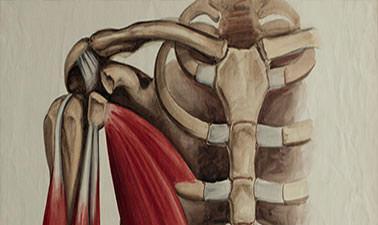
Learn the anatomy basic to understanding five musculoskeletal injuries commonly seen in primary care medicine and orthopedic clinical specialty practice. Follow hypothetical patients from injury to operating room. Human Anatomy: Musculoskeletal Cases invites students to join medical and basic science faculty at Harvard Medical School (HMS) to learn about musculoskeletal injuries commonly seen in clinical practice.

Self Paced
Self-Paced