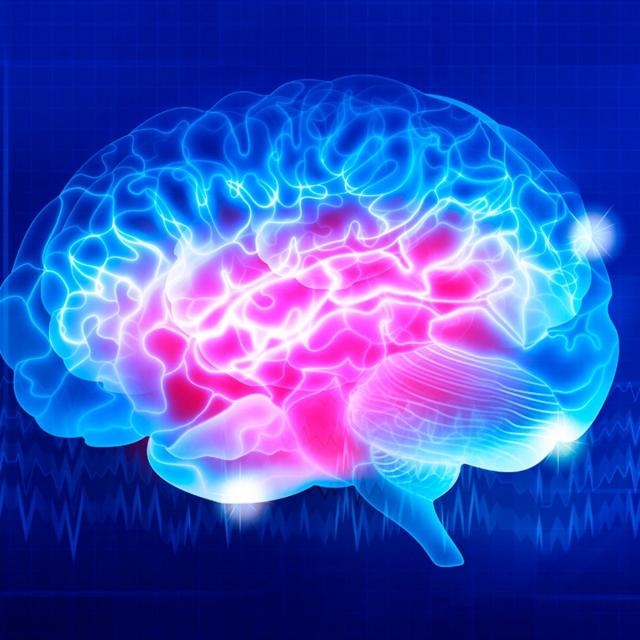
Introduction to Psychology (saylor.org)

Offered by Saylor.org,
Introduction to Psychology (saylor.org)

This course will introduce you to the fundamental principles of psychology and to the major subjects of psychological inquiry. It has been designed to not only provide you with the tools necessary for the study of psychology but to present you with a sampling of the major areas of psychology research.

This course will introduce you to the fundamental principles of psychology and to the major subjects of psychological inquiry. It has been designed to not only provide you with the tools necessary for the study of psychology but to present you with a sampling of the major areas of psychology research. The course begins with a short overview of how psychology developed as an academic discipline and an introduction to a number of the principle methodologies most commonly deployed in its study. The subsequent units are arranged around broad areas of research, including emotion, development, memory, and psychopathology. We will focus on well-substantiated research and current trends within each of these categories.
Upon successful completion of this course, the student will be able to:
Identify the steps of the scientific method and explain how this method applies to psychological research methodology and statistical analyses.
Demonstrate an understanding of the general history of the field.
Explain the nature versus nurture argument and the current status of thinking regarding gene-environment interaction.
Identify the basic components and mechanisms of the major biological systems often studied in psychology.
Demonstrate an understanding of the basic findings within a variety of areas of psychology, including sensation and perception, memory and learning, development, social psychology, and psychopathology.
Go to Class
MOOC List is learner-supported. When you buy through links on our site, we may earn an affiliate commission.

Related Courses

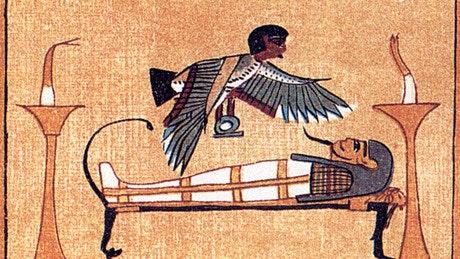
Soul Beliefs: Causes and Consequences - Unit 3: How Does It All End? (Coursera) Coursera
Rutgers University

Soul Beliefs: Causes and Consequences - Unit 3: How Does It All End? (Coursera)

Throughout history, the vast majority of people around the globe have believed they have, however defined, a “soul.” While the question of whether the soul exists cannot be answered by science, what we can study are the causes and consequences of various beliefs about the soul and its prospects of surviving the death of the body. Why are soul and afterlife beliefs so common in human history? Are there adaptive advantages to assuming souls exist?

Nov 23rd 2026
5-12 Weeks
Lifespan Development  (saylor.org) Saylor Academy
Saylor.org

Lifespan Development (saylor.org)

Developmental psychology concerns itself with the changes (psychological and otherwise) that occur as a result of our physical and mental maturation. Typically, “development” refers to the systematic changes that take place between our conception and death. While this definition may seem quite broad, it will serve as a good starting point in our quest to understand the field of developmental psychology.

Legacy Course
Self-Paced
Programming with Scratch (Coursera) Coursera
The Hong Kong University of Science and Technology - HKUST

Programming with Scratch (Coursera)

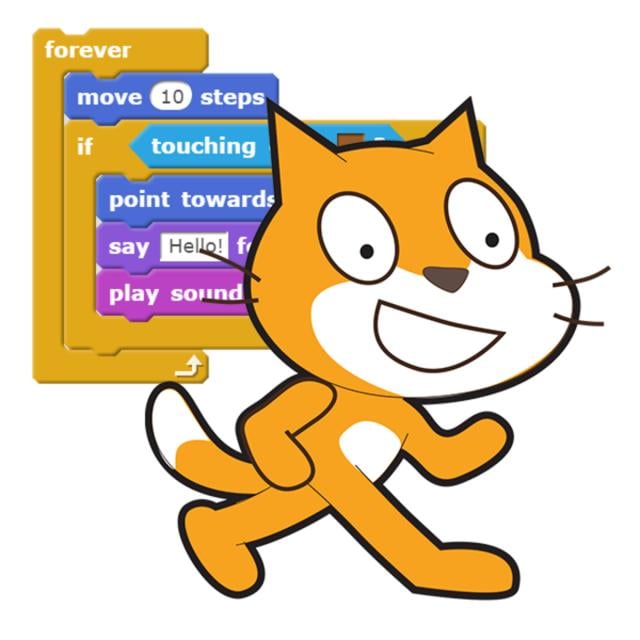
Learning coding is not only about understanding the programming language being used, but also developing important computational thinking skills, which are useful for problem solving across many disciplinary areas. In this course, students will learn basic programming skills by creating interactive storybooks, animations, and games with Scratch, which is a block-based visual programming language for anyone new to coding.

Nov 23rd 2026
5-12 Weeks
Social Psychology (saylor.org) Saylor Academy
Saylor.org

Social Psychology (saylor.org)

This course will introduce you to the concepts and ideas in the area of social psychology. Social Psychology aims to discover the different ways in which people interact with other individuals, groups, and the larger society as a whole, as well as why people act in certain ways.

Legacy Course
Self-Paced
De-Mystifying Mindfulness (Coursera) Coursera
Leiden University

De-Mystifying Mindfulness (Coursera)

Interest in meditation, mindfulness, and contemplation has grown exponentially in recent years. Rather than being seen as mystical practices from ancient Buddhism or esoteric philosophy, they are increasingly seen as technologies rooted in evidence from psychology and neuroscience. Mindfulness has become the basis for numerous therapeutic interventions, both as a treatment in healthcare and as a means of enhancing well-being and happiness. For millions around the world, mindfulness has become a life-style choice, enhancing and enriching everyday experience. Mindfulness is big business.

Nov 23rd 2026
5-12 Weeks
Introducción a la Neurociencia (Coursera) Coursera
Universidad de Palermo

Introducción a la Neurociencia (Coursera)

¿Qué es la neurociencia? ¿Cuáles son sus objetivos? ¿Cómo está compuesto y cómo funciona tu cerebro? ¿De qué modo incide sobre tus conductas y comportamientos? ¿Cómo se interrelacionan el cerebro y la mente? ¿Qué son los neurotransmisores y qué tipos de neurotransmisores existen? ¿Qué son las neuronas?

Nov 23rd 2026
3 Weeks
Potenciando mi aprendizaje en el primer año de Universidad (Coursera) Coursera
Universidad de Chile

Potenciando mi aprendizaje en el primer año de Universidad (Coursera)

El propósito del curso es acompañar a los estudiantes de primer año a potenciar sus aprendizajes, con la finalidad de fomentar una buena experiencia en la universidad. Lo anterior se realiza a través de un auto- diagnóstico y de la familiarización con distintas estrategias de estudio, de gestión del tiempo y del abordaje de evaluaciones.

Nov 23rd 2026
5-12 Weeks
Ubiquitous Learning and Instructional Technologies (Coursera) Coursera
University of Illinois at Urbana-Champaign

Ubiquitous Learning and Instructional Technologies (Coursera)

This course will analyze currently available technologies for learning. Areas addressed include: learning management systems, intelligent tutors, computer adaptive testing, gamification, simulations, learning in and through social media and peer interaction, universal design for learning, differentiated instruction systems, big data and learning analytics, attention monitoring, and affect-aware systems.

Nov 23rd 2026
4 Weeks