Interpreting Genomic Variation: Fundamental Principles (FutureLearn)

Interpreting Genomic Variation: Fundamental Principles (FutureLearn)

Learn the principles and language of genomic variant interpretation and enhance your working knowledge of the ACMG guidelines. Discover the principles of genetic variant interpretation. Our individual genomes make us unique, and contribute to both rare and common disease. In genomic testing, it’s vital to distinguish the clinically relevant, disease-causing variant from its background normal genomic variation in order to safely manage patients.

Class Deals by MOOC List - Click here and see FutureLearn's Active Discounts, Deals, and Promo Codes.

Get variant interpretation training for effectively managing patients
This course is designed to educate health professionals involved in the variant journey from the laboratory to the patient.
You’ll explore the fundamental principles of variant interpretation and review the American College of Clinical Genetics and Genomic (ACMG) and The Association for Clinical Genomic Science (AGCS) guidelines. You will also take a detailed look at the tools available to aid genomic variant interpretation.

Study the ACMG and ACGS guidelines in theory and practice
The ACMG and ACGS guidelines were developed to promote consistency in the tools used to classify a genomic variant as pathogenic, likely pathogenic, likely benign, benign, or uncertain.
You’ll explore how the ACMG evaluated each of the tools and applied a weighting, as well as the algorithm developed to combine the evidence from each of these tools.
You’ll be encouraged to apply your learning through workshopped examples that illustrate both the strengths and weaknesses of the ACMG tools and framework.

Syllabus

Week 1: Introduction to genomic variation and population data
Week 2: Tools for genomic variant interpretation
Week 3: Clinical genomic variant interpretation

Learning on this course
You can take this self-guided course and learn at your own pace. On every step of the course you can meet other learners, share your ideas and join in with active discussions in the comments.
What will you achieve?
By the end of the course, you‘ll be able to...

  • Describe the different types of genomic variants and interpret the impact of different variant types in the context of normal background genomic variation
  • Apply the tools used in variant classification (including population databases, inheritance data, predictive data, functional data and phenotype) to interpret genomic variation
  • Apply the American College of Medical Genetics (ACMG) variant interpretation framework (including updates from the Association for Clinical Genomic Science (ACGS) to classify variants in rare disease genes and appraise the outputs.
  • Evaluate the value of the multidisciplinary team (MDT) approach in ensuring high-quality variant interpretation and patient care, and learn how to communicate efficiently in an MDT setting
  • Evaluate the strengths and weaknesses of each of the tools available for variant interpretation

Who is the course for?
This course is designed for all health professionals who require knowledge of the basic principles of variant interpretation and applying ACMG guidelines.
This may include: - genomic specialists leading on variant interpretation - clinical scientists - clinical geneticists - genomic counsellors
It will also be useful for genomic champions, eg the clinical specialist who will be attending multi-disciplinary genomic variant interpretation meetings and will need to understand the principles and language of genomic variant interpretation.


Go to Class
MOOC List is learner-supported. When you buy through links on our site, we may earn an affiliate commission.

Related Courses

Mini Medical School: Introduction to Medical Science (FutureLearn) FutureLearn
University of Colorado System

Mini Medical School: Introduction to Medical Science (FutureLearn)

Discover the science underpinning modern medical practice today and how to maintain and promote good physical and mental health. Master the basics of medicine with the University of Colorado School of Medicine. This three-week course offers you a fascinating and informative introduction to modern medicine.

Self Paced
3 Weeks
Whole genome sequencing of bacterial genomes - tools and applications (Coursera) Coursera
Technical University of Denmark - DTU

Whole genome sequencing of bacterial genomes - tools and applications (Coursera)

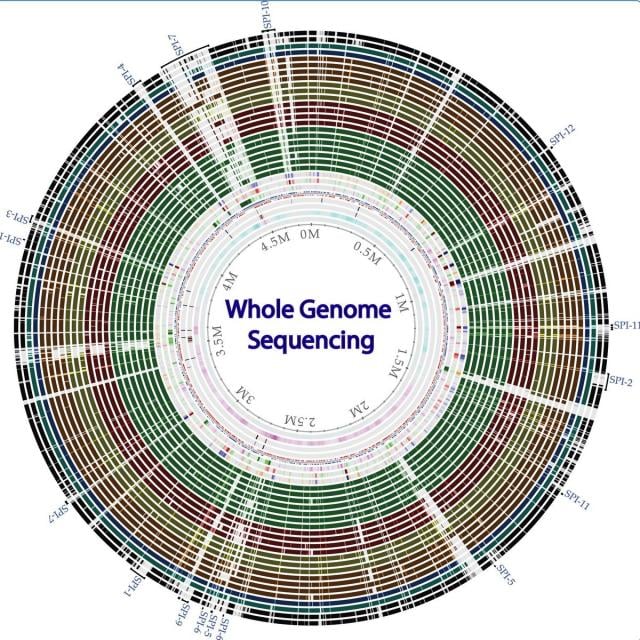
This course will cover the topic of Whole genome sequencing (WGS) of bacterial genomes which is becoming more and more relevant for the medical sector. WGS technology and applications are high on international political agenda, as the classical methods are being replaced by WGS technology and therefore bioinformatic tools are extremely important for allowing the people working in this sector to be able to analyze the data and obtain results that can be interpreted and used for different purposes.

Oct 5th 2026
5-12 Weeks
Causes of Human Disease: Exploring Cancer and Genetic Disease (FutureLearn) FutureLearn
University of Leeds

Causes of Human Disease: Exploring Cancer and Genetic Disease (FutureLearn)

Explore how the unravelling of genetic code has led to a deeper understanding of genetic diseases and cancer. It’s widely known that some diseases run in families. The discovery of the structure of DNA and the unravelling of the genetic code has led to a deeper understanding of such diseases. We now know more about the genetic basis of cancer and how cancer cells are formed and reproduce. On this course you’ll explore the structure of DNA, its processes and learn how genetic disease results from DNA alterations.

Self Paced
2 Weeks
Genomic Technologies in Clinical Diagnostics: Next Generation Sequencing (FutureLearn) FutureLearn
St George's, University of London

Genomic Technologies in Clinical Diagnostics: Next Generation Sequencing (FutureLearn)

Understand new and established genomic sequencing technologies, and how to apply them in clinical practice. Powerful new technologies have been driving forward immense and exciting changes in clinical practice. The days of peering down the microscope to detect chromosome abnormalities are gone, replaced by chromosome analysis at the genomic level.

Self Paced
2 Weeks
Interpreting Genomic Variation: Inherited Cancer Susceptibility (FutureLearn) FutureLearn
St George's, University of London,CanGene CanVar

Interpreting Genomic Variation: Inherited Cancer Susceptibility (FutureLearn)

Explore how robust variant interpretation is needed to support patients with increased risk of cancer. Explore germline variation in cancer susceptibility genes. Germline genomic variation can increase the risk of developing cancer. It’s essential to use the best evidence available to decide if a genomic variant is likely to increase the chance of a person developing cancer. This allows us to offer at-risk individuals access to appropriate screening, prevention, and personalised treatments.

Self Paced
2 Weeks
Genomic Medicine: Transforming Patient Care in Diabetes (FutureLearn) FutureLearn
University of Exeter

Genomic Medicine: Transforming Patient Care in Diabetes (FutureLearn)

Learn how developments in genomics are transforming our knowledge and treatment of conditions such as diabetes. This course introduces genomics, using the University of Exeter’s research expertise in diabetes with patient cases, to illustrate the clinical application and impact of current knowledge.

Nov 2nd 2020
4 Weeks
Myths and Realities of Personalised Medicine: the Genetic Revolution (FutureLearn) FutureLearn
UNSW Sydney - University of New South Wales

Myths and Realities of Personalised Medicine: the Genetic Revolution (FutureLearn)

Learn about personalised medicine and the impact that our enhanced understanding of genetics has on modern medicine and society. Personalised medicine. Precision medicine. Individualised medicine. Customised medicine. Targeted medicine. All buzzwords of recent years that excite, confuse and infuriate the public, researchers and healthcare professionals. Broadly speaking, these terms all refer to the idea of tailoring treatment to individual patients based on their genetic code.

No sessions available
5-12 Weeks
Bioinformatics for Biologists: Analysing and Interpreting Genomics Datasets (FutureLearn) FutureLearn
Wellcome Connecting Science

Bioinformatics for Biologists: Analysing and Interpreting Genomics Datasets (FutureLearn)

Boost your career by gaining the skills to install and modify the elements of a bioinformatics workflow to suit your needs. Gain practical data science skills. Bioinformatics is crucial in helping to understand large and complex sets of biological data. On this three-week course, you’ll develop your knowledge of bioinformatics and gain practical experience in scaling up analysis and working with large and complex datasets effectively.

Self Paced
3 Weeks
Genomic Medicine and Research: A Community Approach (FutureLearn) FutureLearn
University of Exeter

Genomic Medicine and Research: A Community Approach (FutureLearn)

Learn how translational research in genomics can deliver health, social, and scientific benefits to communities. Explore the benefits of a community approach to genomic medicine and research. On this course, you will explore the skills needed for translational research work and understand the meaning of community genetics. You will also learn the value of whole genome sequencing in the community context and the importance of community-specific medical research to patients.

Available now
3 Weeks
Cancer in the 21st Century: the Genomic Revolution (FutureLearn) FutureLearn
University of Glasgow

Cancer in the 21st Century: the Genomic Revolution (FutureLearn)

Discover how genetics is revolutionising the detection and treatment of cancer, with this free online course. Cancer Research UK estimates that 1 in 2 people in the UK will be diagnosed with cancer during their lifetime. It is a disease that impacts on most people’s lives at some stage. So understanding cancer, and the development of new treatments, is of intrinsic interest to us all.

No sessions available
5-12 Weeks