Genomic Medicine: Harnessing the Power of the Human Genome (FutureLearn)

Offered by University of Glasgow,
Genomic Medicine: Harnessing the Power of the Human Genome (FutureLearn)

Using the latest genomics research, discover how genomic technologies are changing how we understand and treat medical conditions. Explore cutting-edge genomics data analysis tools and technology. This course will advance your understanding of the rapidly growing use of genomics in the research, diagnosis, and treatment of clinical conditions.

Class Deals by MOOC List - Click here and see FutureLearn's Active Discounts, Deals, and Promo Codes.

Discover the practical application of genomics in medicine
As medical technology advances, new hugely powerful genomics technologies enable an individual’s full gene set – and even whole genome – to be analysed rapidly and simultaneously, with the aim of identifying pathogenic DNA variants.
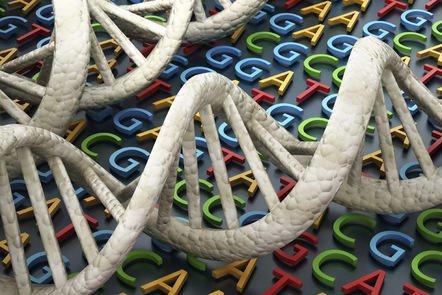
On this course, you’ll develop your understanding of the structure, organisation, and function of the human genome, and learn how genetic variants can disturb this function and cause disease.

Learn how to make sense of genomic data
Alongside leading academics from the University of Glasgow, you’ll explore how genomic analysis enables scientists to extract medically important findings.
You’ll get to grips with genomic data analysis and build your skills in using sophisticated online databases and tools to analyse the latest human genomic datasets.
You’ll also learn common terminology used in global genomic analysis and explore how genomic technologies can be applied in guided therapy for specific medical conditions.

What topics will you cover?

  • The Power of Genomics – How it Can be Used
  • The Genome: Structure and Function
  • Technologies and Processes
  • Making Sense of the Genomic Data
  • Using Genomics to Optimise the Management of Medical Conditions

What will you achieve?
By the end of the course, you‘ll be able to...

  • Discuss the principal ways in which genomics can be used: to improve our understanding and diagnosis of medical conditions
  • Describe the composition, structure and 3D organisation of the human genome; how that relates to its function; and the various ways in which genetic variants can disturb this and cause disease
  • Understand the technologies & terminology commonly used in genomic analysis worldwide
  • Explore how enormous genomic datasets can be analysed and learn how to use sophisticated online genome browsers and analysis tools to extract medically important findings
  • Describe how genomic technologies can be applied in guiding therapy for human conditions, including precision medicine

Go to Class
MOOC List is learner-supported. When you buy through links on our site, we may earn an affiliate commission.

Related Courses

Why Experience Matters: Qualitative Research (FutureLearn) FutureLearn
Griffith University,Deakin University

Why Experience Matters: Qualitative Research (FutureLearn)

Explore the methods and tools qualitative researchers use to understand human behaviour and solve social problems. What attitudes and beliefs drive human behaviour? Qualitative research explores people’s stories and lived experiences to help us understand their perceptions, motivations and behaviour. It uses personalised research methods such as interviews, focus groups and observation to help us view the world from another’s perspective.

No sessions available
2 Weeks
Cancer in the 21st Century - the Genomic Revolution (FutureLearn) FutureLearn
University of Glasgow

Cancer in the 21st Century - the Genomic Revolution (FutureLearn)

Discover how modern genetics has revolutionised approaches to the detection and treatment of cancer. Cancer Research UK estimates that 1 in 2 people in the UK will be diagnosed with cancer during their lifetime. It is a disease that impacts on most people’s lives at some stage. So understanding cancer, and the development of new treatments, is of intrinsic interest to us all.

No sessions available
5-12 Weeks
Making sense of genomic data: COVID-19 web-based bioinformatics (FutureLearn) FutureLearn
Wellcome Connecting Science,COG-Train

Making sense of genomic data: COVID-19 web-based bioinformatics (FutureLearn)

Explore the tools for web-based SARS-CoV-2 sequencing analyses and learn techniques to prepare data and share genomic outputs. Discover how to analyse SARS-CoV-2 sequences using web-based tools. Over the past decade, sequencing technologies have become more accessible and sequencing data has increased exponentially. However, bioinformatics capacity is still limited. On this three-week course, you will learn the basics of bioinformatics concepts and explore the web-based tools used for viral data and sequencing analyses.

Jul 25th 2022
3 Weeks
Citizen Science: From Data to Action (FutureLearn) FutureLearn
University of Dundee,Grow Observatory

Citizen Science: From Data to Action (FutureLearn)

Join us to discover how citizen-generated data on soils, food and a changing climate can create positive change in the world. How can citizen science create positive change in the world? Join this online course to discover soil and food growing data and results generated by citizen scientists like you who are collaborating with the GROW Observatory.

No sessions available
3 Weeks
Pathogen Genomics: A New Era in Global Health Surveillance and Strategy (FutureLearn) FutureLearn
Wellcome Connecting Science,COG-Train

Pathogen Genomics: A New Era in Global Health Surveillance and Strategy (FutureLearn)

Learn how genomics can help contain infectious diseases, prevent future global health threats, and better protect public health. On this three-week course taught by experts in pathogen genomics and epidemiology, you’ll review recent developments in genomic surveillance, and explore how these could inform public health actions.

Mar 6th 2023
3 Weeks
Genomic Technologies in Clinical Diagnostics: Next Generation Sequencing (FutureLearn) FutureLearn
St George's, University of London

Genomic Technologies in Clinical Diagnostics: Next Generation Sequencing (FutureLearn)

Understand new and established genomic sequencing technologies, and how to apply them in clinical practice. Powerful new technologies have been driving forward immense and exciting changes in clinical practice. The days of peering down the microscope to detect chromosome abnormalities are gone, replaced by chromosome analysis at the genomic level.

Self Paced
2 Weeks
Genomics in the NHS: A Clinician's Guide to Genomic Testing for Rare Disease (FutureLearn) FutureLearn
St George's, University of London,Health Education England

Genomics in the NHS: A Clinician's Guide to Genomic Testing for Rare Disease (FutureLearn)

Explore the practicalities of genomic testing in the NHS, when to consider genomics, and the patient pathway for rare disease. Build your knowledge of the genomic testing pathway for rare disease. The widescale availability of genomic sequencing in the NHS brings new possibilities for patients but means new concepts, systems and processes for clinicians.

Oct 2nd 2023
2 Weeks
Train the Trainer: Design Genomics and Bioinformatics Training (FutureLearn) FutureLearn
Wellcome Connecting Science

Train the Trainer: Design Genomics and Bioinformatics Training (FutureLearn)

Discover how to plan and design engaging learning for those wanting to generate and analyse genomic data. Explore techniques for genomics training. Genomics and bioinformatics is a growing area of research with important practical implications for sectors as diverse as healthcare, food production, and environmental research. On this course, you’ll learn how to train students, peers, professionals, and future experts in genomic techniques, and come away able to plan and design engaging lessons for adult learners.

Self Paced
3 Weeks
Programming Applications with Python: Working with Files (FutureLearn) FutureLearn
FutureLearn

Programming Applications with Python: Working with Files (FutureLearn)

Discover how to read and create files and directories in Python, and how Python is used for data collection and exploration. Learn how to use Python create applications. On this course, you’ll start to develop the knowledge and skills needed to successfully launch a career in programming or software development, learning how to program applications using Python. You’ll study alongside industry experts at Github, giving you the confidence and competitive advantage to work in or manage development teams.

May 23rd 2022
4 Weeks