Internet of Things for Active Aging (FutureLearn)

Internet of Things for Active Aging (FutureLearn)

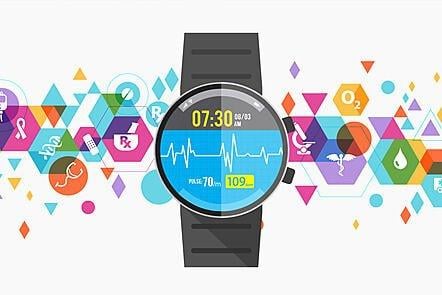
Learn about how the Internet of Things can help people aging well with this free online course. The Internet of Things (IoT) includes many new digital health technologies, from apps to wearable devices to home sensors - devices that are expected to revolutionize healthcare in the near future. But when will they become truly useful and usable for those with the most at stake: older adults with multiple medical problems? This is just one of the questions we will tackle on this course.

Class Deals by MOOC List - Click here and see FutureLearn's Active Discounts, Deals, and Promo Codes.

Get an introduction to geriatric care
Better technology can often come from greater understanding. On this course you’ll learn about how older adults and clinicians manage health problems and health pain points, and how to check up-front for the real problems seniors need technological help solving.

Learn about developing useful health tools
This course will teach you about the different aspects of developing a useful health tool. Using a detailed case study you will learn about why current digital health tools often fail and how to create digital health products that experts can recommend, and that seniors and family caregivers will find beneficial. We’ll also examine the benefits of wearable devices for telecare and telemonitoring of elderly and lonely patients.

Understand Taiwan’s health system
The Taiwanese government have several nationwide health policies, including “active aging” and “age-friendly cities” that enjoy wide participation. We’ll review these policies and other aspects of Taiwan’s health system to see what can be learned from a system that has offered universal care and unlimited provider choice, while still keeping administrative costs under 1 percent of health expenditures, for the last 20 years.

What topics will you cover?

  • Introduction to geriatric care
  • Knowing the real problems while ageing and how to participate
  • Introduction to health technologies (Internet of Things)
  • Learn about developing useful health tools

Learning on this course
You can take this self-guided course and learn at your own pace. On every step of the course you can meet other learners, share your ideas and join in with active discussions in the comments.

What will you achieve?
By the end of the course, you'll be able to...

  • Describe difficulties while aging
  • Explore the technologies that could promote healthy aging
  • Improve understanding of new technologies related to personal health

Who is the course for?
There are no special requirements for this course but an interest in healthcare, technology or Taiwan would be useful.

Go to Class
MOOC List is learner-supported. When you buy through links on our site, we may earn an affiliate commission.

Related Courses

Understanding Insulin (FutureLearn) FutureLearn
University of Southampton

Understanding Insulin (FutureLearn)

Learn more about all things insulin: from how it works, to insulin types, to side effects and guidance on how to prescribe safely. The current spend on diabetes care by the NHS is estimated to be £1.6 million pounds per hour. 80% of this is spent on managing diabetes complications, the risk of which can be significantly reduced through effective blood glucose control using insulin.

Self Paced
4 Weeks
Biochemistry: the Molecules of Life (FutureLearn) FutureLearn
University of East Anglia

Biochemistry: the Molecules of Life (FutureLearn)

Explore the impact of biochemistry on bioenergy and health, discovering why graduates are in demand; with the Biochemical Society. Biochemistry brings together all of the sciences to study the chemical and physical processes that occur in living organisms. It truly is the science of life. As a scientific discipline in its own right, biochemistry has a major impact on all areas of the life sciences and biochemists are in high demand among employers.

Self Paced
3 Weeks
Clinical Bioinformatics: Unlocking Genomics in Healthcare (FutureLearn) FutureLearn
University of Manchester

Clinical Bioinformatics: Unlocking Genomics in Healthcare (FutureLearn)

Learn about the role of clinical bioinformaticians in healthcare and how their work is helping to realise the genomics revolution. This free online course aims to raise awareness amongst healthcare professionals of the role of Clinical Bioinformatics and Genomics in healthcare today.

Self Paced
5-12 Weeks
Introduction to Health Technology Assessment (FutureLearn) FutureLearn
University of Glasgow

Introduction to Health Technology Assessment (FutureLearn)

Learn about health technology assessment (HTA) and quality of life (QoL), and how they’re used to decide which treatments to fund. Get an introduction to health technology assessment (HTA). This online course provides a short, interactive introduction to health technology assessment (HTA), based on the University of Glasgow’s successful online distance-learning programme, the MSc in HTA.

Self Paced
3 Weeks
Dysphagia: Swallowing Difficulties and Medicines (FutureLearn) FutureLearn
University of East Anglia

Dysphagia: Swallowing Difficulties and Medicines (FutureLearn)

This course will enhance the knowledge of any person involved in the administration of medicines to patients with dysphagia. The course offers an opportunity to network with other learners and with the creators of the course through discussions, graphs and social networking features and to share knowledge with other learners and professionals.

Self Paced
5-12 Weeks
Understanding Autism (FutureLearn) FutureLearn
University of Kent

Understanding Autism (FutureLearn)

Understand more about autism, including diagnosis, the autistic spectrum and life with autism, with this online course. First identified over 70 years ago, autism is a lifelong developmental disability affecting how a person communicates with and relates to others, and how they make sense of the world. It is a spectrum condition; all people on the spectrum share certain difficulties, but their condition will affect them in different ways.

Self Paced
4 Weeks
Discovering Science: Medicinal Chemistry (FutureLearn) FutureLearn
University of Leeds

Discovering Science: Medicinal Chemistry (FutureLearn)

What role does chemistry play in healthcare and our ability to diagnose and treat patients? Discover how chemotherapy has evolved, and some of the breakthroughs and developments chemists have made in the fight against cancer over the last 10 years. Diagnostic imaging examines how scientists learn about, and treat, the inside of the body without invasive surgery. You’ll explore how modern imaging techniques diagnose problems quickly and safely, and how diseases which may not previously have been picked up are identified.

Self Paced
2 Weeks
Heart Health: A Beginner's Guide to Cardiovascular Disease (FutureLearn) FutureLearn
University of Reading

Heart Health: A Beginner's Guide to Cardiovascular Disease (FutureLearn)

Learn more about how your heart works, the causes of heart disease and how to keep your heart healthy with this free online course. Learn how to keep your heart healthy. Your heart beats around 100,000 times a day, pumping blood around your body to deliver oxygen and nutrients, while taking away waste products. When your heart is unhealthy, it can’t perform this vital task so effectively.

Self Paced
4 Weeks
Clinical Supervision with Confidence (FutureLearn) FutureLearn
University of East Anglia

Clinical Supervision with Confidence (FutureLearn)

Supervise undergraduate and postgraduate learners effectively with this online course for clinical and educational supervisors. This online course will help you become a more effective clinical supervisor or educator. It is mapped to competences within the Academy of Medical Educators’ framework for professional development, as used by the General Medical Council and Health Education England.

Self Paced
2 Weeks
Challenges in Antibiotic Resistance: Point Prevalence Surveys (FutureLearn) FutureLearn
British Society for Antimicrobial Chemotherapy - BSAC

Challenges in Antibiotic Resistance: Point Prevalence Surveys (FutureLearn)

Learn how to use Point Prevalence Surveys (PPS) to measure antibiotic consumption and fight antimicrobial resistance. Point Prevalence Surveys (PPS) are an important tool for healthcare professionals to use to assess and improve antibiotic prescribing locally, nationally and globally. This online course - led by experts from the British Society for Antimicrobial Chemotherapy (BSAC) - looks at their use. You’ll discover the importance of measuring antibiotic consumption and how PPS can help.

Self Paced
2 Weeks
Exercise Prescription for the Prevention and Treatment of Disease (FutureLearn) FutureLearn
Trinity College Dublin

Exercise Prescription for the Prevention and Treatment of Disease (FutureLearn)

Learn how physical exercise can help patients including those with cardiovascular disease, mental health problems and cancer. In the last few decades physical exercise has become well established as a tool to prevent and treat disease. Perceptions within the healthcare sector of exercise and its prescription as a treatment have changed dramatically in recent years.

Self Paced
2 Weeks