History of Medical Cannabis (Coursera)

History of Medical Cannabis (Coursera)

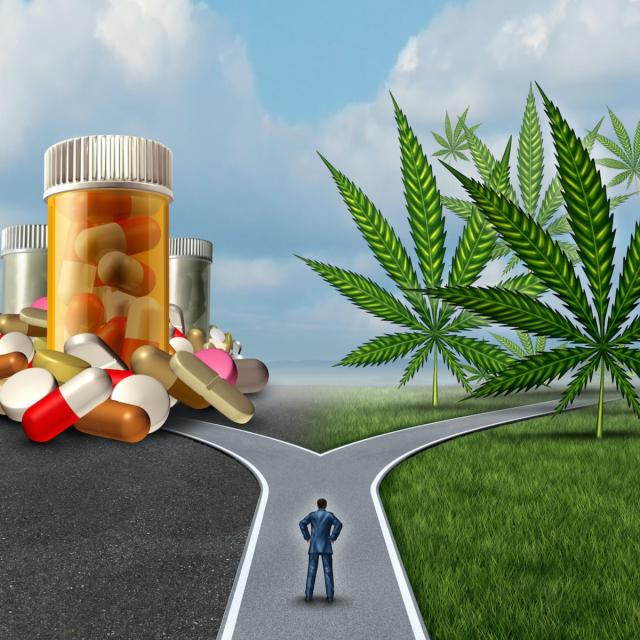
This History of Medical Cannabis course is designed to have you think critically about past, present, and future research on the health effects of cannabis by developing a more nuanced understanding of the barriers to research as well as different approaches to research. You will learn about the history of cannabis cultivation, the legal history of cannabis or "marijuana", and the obstacles that led to the lack of science on its medicinal use.

Class Deals by MOOC List - Click here and see Coursera's Active Discounts, Deals, and Promo Codes.

You will also learn how to critically evaluate research on the effects of cannabis cannabis, and discuss the associated risks of using cannabis in the context of public health and epidemiological research. Finally, you will learn about how to administer cannabis products in ways that minimize risk adn maximize any potential benefits. Obtaining this knowledge will be helpful in terms of informing public policy, public health, and personal decisions regarding the use of cannabis products.
What You Will Learn

  • Learn about the basic pharmacology of cannabis and how cannabinoids effect the body.
  • Learn about the history of cannabis cultivation and legality.
  • Learn about the barriers and approaches to cannabis research.
  • Learn about the epidemiological data on cannabis use in terms of cognition, education, and behavior.

Course 1 of 4 in the Medical Cannabis: The Health Effects of THC and CBD Specialization.

Syllabus

WEEK 1
Introduction to Course and to Cannabis
In this module, we will discuss the biological characteristics of cannabis and the effect cannabinoids have on the body. Will will cover the basic pharmacology of THC and CBD and the action these cannabinoids have in the brain. Lastly, we will evaluate the evidence for what is called the entourage effect.

WEEK 2
History of Cannabis
In this module, we will discuss the history of cannabis as an alternative medicine and the legal history of cannabis in both the US and abroad. We will discuss the variety of different product types post-legalization, how products are made, and implications for safety. We will also discuss the cannabis industry and how it compares to other mature industries like the pharmaceutical and alcohol industries.

WEEK 3
Barriers to Research and How to Evaluate Research
In this module, we will discuss the legal barriers to institutional research in the US and how this has impacted conducting much-needed cannabis research. You will learn the difference between high quality, rigorous research design compared to biased sources of information. Lastly, you will learn how the placebo effect works and evaluate how much of a role it plays with regards to the medical benefits of cannabis.

WEEK 4
Risks Associated with Cannabis Use
In this module, we will review the animal and human literature with regards to the effects of cannabis in the brain. We will discuss the epidemiology of cannabis use and review public health data. Lastly, we will discuss the best practices for using it medically, such as to minimize the risks and harms while maximizing the benefits.

Go to Class
MOOC List is learner-supported. When you buy through links on our site, we may earn an affiliate commission.

Related Courses

Traditional herbal medicine in supportive cancer care: From alternative to integrative (Coursera) Coursera
Technion - Israel Institute of Technology

Traditional herbal medicine in supportive cancer care: From alternative to integrative (Coursera)

Please join us for an exciting and innovative journey, examining one of the most important and often overlooked aspects of the oncology setting: Traditional Herbal Medicine in Supportive Cancer Care. This course is presented with short lectures offering a wide range of issues related to the principles and practice of herbal medicine in cancer care.

Oct 12th 2026
13-24 Weeks
Case Studies in Personalized Medicine (Coursera) Coursera
Vanderbilt University

Case Studies in Personalized Medicine (Coursera)

Learn how advances in biomedicine hold the potential to revolutionize drug development, drug treatments, and disease prevention: where are we now, and what does the future hold? This course will present short primers in genetics and mechanisms underlying variability in drug responses. A series of case studies will be used to illustrate principles of how genetics are being brought to bear on refining diagnoses and on personalizing treatment in rare and common diseases. The ethical and operational issues around how to implement large scale genomic sequencing in clinical practice will be addressed.

Oct 12th 2026
5-12 Weeks
Diabetes - a Global Challenge (Coursera) Coursera
University of Copenhagen

Diabetes - a Global Challenge (Coursera)

Diabetes and obesity are growing health problems in rich and poor countries alike. With this course you will get updated on cutting-edge diabetes and obesity research including biological, genetic and clinical aspects as well as prevention and epidemiology of diabetes and obesity. All lectures are provided by high-profile scientists from one the world's leading universities in diabetes research.

Oct 12th 2026
5-12 Weeks
Chemicals and Health (Coursera) Coursera
Johns Hopkins University

Chemicals and Health (Coursera)

This course covers chemicals in our environment and in our bodies and how they impact our health. It addresses policies and practices related to chemicals, particularly related to how they get into our bodies (exposures), what they do when they get there (toxicology), how we measure them (biomonitoring) and their impact on our health. Most examples are drawn from the US.

Oct 12th 2026
5-12 Weeks
Dopage : Sports, Organisations et Sciences (Coursera) Coursera
University of Lausanne

Dopage : Sports, Organisations et Sciences (Coursera)

L'objectif du cours est de permettre une compréhension distanciée du dopage. C’est pour atteindre cet objectif que le cours s’appuie sur une approche pluridisciplinaire qui constitue une opportunité d'observer comment diverses disciplines abordent un même objet, selon différents angles et de manière complémentaire. Il s'agit également de donner des repères permettant d'appréhender le dopage dans sa complexité.

Oct 12th 2026
4 Weeks
Curanderismo: Global & Cultural Influences of Traditional Healing (Coursera) Coursera
University of New Mexico

Curanderismo: Global & Cultural Influences of Traditional Healing (Coursera)

As the last of four courses on Curanderismo, the art of Hispanic/Latino traditional medicine, this course focuses specifically on traditional healing using different techniques of many countries around the world. As an educational and cultural platform, this course will share a number of traditional global perspectives.

Oct 12th 2026
5-12 Weeks
Medical Neuroscience (Coursera) Coursera
Duke University

Medical Neuroscience (Coursera)

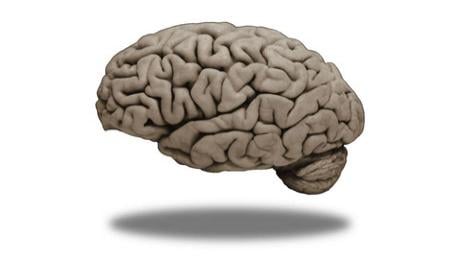
Medical Neuroscience explores the functional organization and neurophysiology of the human central nervous system, while providing a neurobiological framework for understanding human behavior. In this course, you will discover the organization of the neural systems in the brain and spinal cord that mediate sensation, motivate bodily action, and integrate sensorimotor signals with memory, emotion and related faculties of cognition. The overall goal of this course is to provide the foundation for understanding the impairments of sensation, action and cognition that accompany injury, disease or dysfunction in the central nervous system. The course will build upon knowledge acquired through prior studies of cell and molecular biology, general physiology and human anatomy, as we focus primarily on the central nervous system.

Oct 12th 2026
13-24 Weeks
Stories of Infection (Coursera) Coursera
Stanford University

Stories of Infection (Coursera)

This course introduces learners to a variety of infectious diseases using a patient-centered, story-based approach. Through illustrated, short videos, learners will follow the course of each patient’s illness, from initial presentation to resolution. Integrating the relevant microbiology, pathophysiology and immunology, this course aims to engage and entice the learner towards future studies in microbiology, immunology and infectious diseases.

Oct 12th 2026
5-12 Weeks
Curanderismo: Traditional Healing Using Plants (Coursera) Coursera
University of New Mexico

Curanderismo: Traditional Healing Using Plants (Coursera)

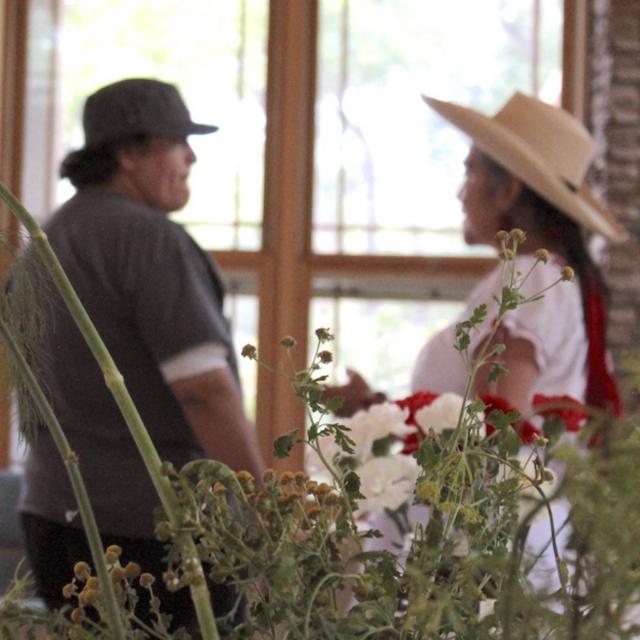
As one of four courses on Curanderismo, the art of Hispanic/Latino traditional medicine, this course focuses specifically on the use of plants in traditional healing. As an educational and cultural platform, this course will share the history, influences, and contributions of traditional medicine. Trained traditional healers will share their knowledge of the healing properties of plants commonly found in the Southwestern United States and Mexico through practical applications that can still be used today.

Oct 19th 2026
5-12 Weeks
Impacting the Opioid Crisis: Prevention, Education, and Practice for Non-Prescribing Providers (Coursera) Coursera
University of Michigan

Impacting the Opioid Crisis: Prevention, Education, and Practice for Non-Prescribing Providers (Coursera)

This course will empower non-prescribing providers to directly impact the ongoing opioid crisis in the United States through increased knowledge and tools that will transform practice and policies. The course will inform you about the opioid epidemic and provide information and research about evidence-based strategies that are focused on prevention, intervention, education, or policy.

Oct 12th 2026
5-12 Weeks
Biochemical Principles of Energy Metabolism (Coursera) Coursera
Korea Advanced Institute of Science and Technology - KAIST

Biochemical Principles of Energy Metabolism (Coursera)

Everyone knows that energy is essential for sustaining life. How can you define energy in life? Have ever thought about ways of how carbohydrates like glucose from your diet can be used for extracting energy? A scientific field that focuses on energy production and flow though living cells and organisms is called bioenergetics. Energy metabolism covers various biochemical ways of energy transformation and regulatory mechanisms of over thousands chemical reactions. Without fine control of those metabolic processes, cells and organisms cannot maintain activities linked to life.

Oct 12th 2026
5-12 Weeks