Hacia una práctica constructivista en el aula (Coursera)

Hacia una práctica constructivista en el aula (Coursera)

El curso trata temas fundamentales para lograr diseñar clases desde una concepción constructivista considerando diversidad de experiencias de aprendizaje e integración adecuada de la tecnología.

Class Deals by MOOC List - Click here and see Coursera's Active Discounts, Deals, and Promo Codes.

Syllabus

Week 1: Introducción

Week 2: Capítulo Uno. Conocimiento I: Las Habilidades del Currículum
Este módulo llamado "Conocimiento I: Las Habilidades del Currículum", tiene como objetivo reconocer los procesos cognitivos dentro de la construcción del conocimiento en el proceso de enseñanza/aprendizaje.Los contenidos serán mostrados a través de una serie de video-clases. Al terminar de cada video, podrá poner a prueba sus conocimientos a través de una pregunta formativa sin calificación. Para finalizar, deberá responder un cuestionario para evaluar los aprendizajes del módulo. Este es un requisito para la aprobación del curso, obteniendo más de un 60%.

Week 3: Capítulo Dos. Conocimiento II: Lo que no Enseñamos (conocimiento social y del cuerpo)
Este módulo "Conocimiento II: Lo que no Enseñamos (conocimiento social y del cuerpo)", tiene como propósito principal analizar cómo afectan en el aula las distintas manifestaciones del conocimiento y su interacción con la cultura. Al igual que el módulo anterior, los contenidos se encontrarán a través de video-clases, las que contienen preguntas que ponen a prueba cuanto aprendió en cada uno de ellos.Para finalizar, deberá responder un cuestionario para evaluar los aprendizajes del módulo. Este es un requisito para la aprobación del curso, obteniendo más de un 60%.Por último, lo invitamos a elaborar un proyecto individual que será de caracter de peer review, con el propósito que pueda evaluar y aportar al trabajo de sus compañeros. Es una actividad fundamental para la certificación del curso.

Week 4: Capítulo Tres. Construcción del Conocimiento
El tercer capítulo, llamado "Construcción del Conocimiento", tiene como objetivo fundamental analizar cómo los alumnos construyen el conocimiento interactuando con su entorno. Mantendrá la misma metodología de los módulos anteriores, en donde lo invitamos a responder cada una de las preguntas al final de los video-clases. Para finalizar, deberá responder un cuestionario para evaluar los aprendizajes del módulo. Este es un requisito para la aprobación del curso, obteniendo más de un 60%.

Week 5: Capítulo Cuatro. Comunicación del Conocimiento
El módulo "Comunicación del Conocimiento", tiene como propósito reconocer los elementos claves para comunicar efectivamente dentro del aula. Dentro de este módulo, podrá responder preguntas al finalizar de cada video-clase, que serán de gran ayuda para verificar cuánto aprendió. Para finalizar, deberá responder un cuestionario para evaluar los aprendizajes del módulo. Este es un requisito para la aprobación del curso, obteniendo más de un 60%.Por último, lo invitamos a elaborar un proyecto individual que será de caracter de peer review, con el propósito que pueda evaluar y aportar al trabajo de sus compañeros. Es una actividad fundamental para la certificación del curso.

Week 6: Capítulo Cinco. ¿Qué Significa Entender?
El quinto módulo llamado "¿Qué significa entender?", tiene como objetivo analizar un modelo que permita comprender cómo entienden los alumnos en aula y cómo medir sus logros. Mantendrá una metodología similar a la del resto de los módulos, en donde lo invitamos a responder las preguntas al finalizar cada video-clases. Para finalizar, deberá responder un cuestionario para evaluar los aprendizajes del módulo. Este es un requisito para la aprobación del curso, obteniendo más de un 60%.

Week 7: Capítulo Seis. Tecnología en Aula
El sexto módulo llamado "Tecnología en Aula", tiene como propósito analizar el rol de la tecnología en el aula. Podrá estudiar los contenidos a través de una serie de video-clases, los cuales además contienen preguntas formativas que pondrán a prueba sus conocimientos. Para finalizar, deberá responder un cuestionario para evaluar los aprendizajes del módulo. Este es un requisito para la aprobación del curso, obteniendo más de un 60%.

Week 8: Capítulo Siete. Colaboración en el Aula
Este módulo llamado "Colaboración en el Aula", tiene como objetivo principal comprender el potencial de la colaboración y la cooperación en aula. Recuerde responder cada una de las preguntas finalizando los video-clases. Para finalizar, deberá responder un cuestionario para evaluar los aprendizajes del módulo. Este es un requisito para la aprobación del curso, obteniendo más de un 60%.Por último, lo invitamos a elaborar un proyecto individual que será de caracter de peer review, con el propósito que pueda evaluar y aportar al trabajo de sus compañeros. Es una actividad fundamental para la certificación del curso.

Week 9: Capítulo Ocho. Diseño de una clase
El último módulo llamado "Diseño de una Clase", tiene como principal propósito reconocer los elementos constitutivos de una clase con orientación constructivista. Al igual que los módulos anteriores, existen preguntas al término de cada video-clase, los que pondrán a prueba cuánto aprendió en cada uno. No olvide responder el cuestionario al finalizar este capítulo, puesto que es requisito fundamental para la aprobación del curso. Para finalizar, deberá participar en la actividad propuesta, que además lo invita a evaluar el trabajo de sus compañeros. Esta actividad es indispensable para la certificación del curso.

Week 10: Final
En esta video-clase el profesor realiza un resumen de lo visto en los 8 capítulos del curso, haciendo foco en temas de colaboración y cómo la tecnología puede ayudar siempre apoyada en la pedagogía e invitando a que los niños siempre sean el actor principal en la sala de clases.

Go to Class
MOOC List is learner-supported. When you buy through links on our site, we may earn an affiliate commission.

Related Courses

Educating Deaf Children: Becoming an Empowered Teacher (Coursera) Coursera
University of Cape Town

Educating Deaf Children: Becoming an Empowered Teacher (Coursera)

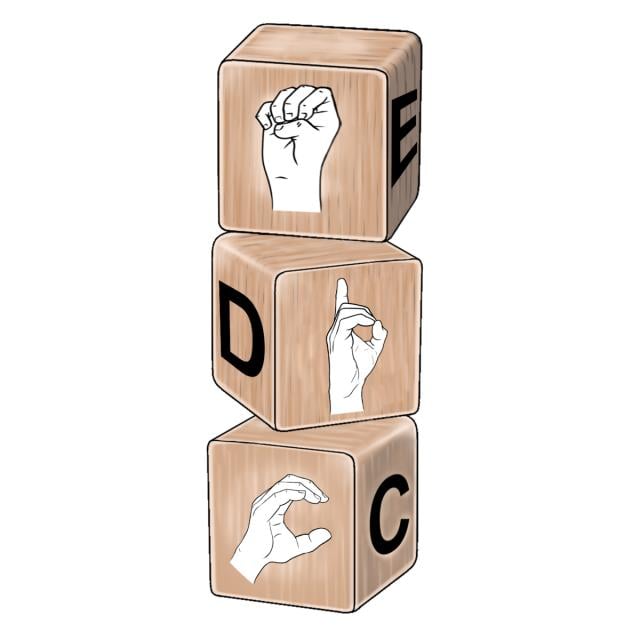
Many Deaf children around the world still leave school functionally illiterate. In some cases there is no allowance made for education of Deaf children at all. This 4 week course provides you with invaluable knowledge and skills about teaching Deaf children. You will learn about the importance of Deaf culture and community, the need for a language rich environment for the Deaf child from as young as possible, and that having access to sign language can help Deaf children academically, emotionally, and socially.

Nov 9th 2026
4 Weeks
e-Learning Ecologies: Innovative Approaches to Teaching and Learning for the Digital Age (Coursera) Coursera
University of Illinois at Urbana-Champaign

e-Learning Ecologies: Innovative Approaches to Teaching and Learning for the Digital Age (Coursera)

For three decades and longer we have heard educators and technologists making a case for the transformative power of technology in learning. However, despite the rhetoric, in many ways and at most institutional sites, education is still relatively untouched by technology. Even when technologies are introduced, the changes sometimes seem insignificant and the results seem disappointing. If the print textbook is replaced by an e-book, do the social relations of knowledge and learning necessarily change at all or for the better?

Nov 2nd 2026
4 Weeks
Constructivism and Mathematics, Science, and Technology Education (Coursera) Coursera
University of Illinois at Urbana-Champaign

Constructivism and Mathematics, Science, and Technology Education (Coursera)

This course is designed to help participants examine the implications of constructivism for learning and teaching in science, mathematics, and technology focused areas. Course readings, discussions, and assignments will examine constructivist views of learning, research on students' ideas and idea-based interactions, research on instructional approaches taking student ideas into account, and challenges in implementing constructivist perspectives in instruction.

Nov 9th 2026
5-12 Weeks
Disability Inclusion in Education: Building Systems of Support (Coursera) Coursera
University of Cape Town

Disability Inclusion in Education: Building Systems of Support (Coursera)

Worldwide millions of children are not able to fully participate in schooling, and this is especially a problem for children with disabilities. In this course, we explore the support that teachers need in order to meet the needs of children with severe to profound hearing, visual and intellectual disabilities. We consider how this can be done by talking with a range of experts (from teachers to activists) about inclusive education as well as sharing experiences of education.

Nov 9th 2026
5-12 Weeks
Inclusive Online Teaching Teach-Out (Coursera) Coursera
Johns Hopkins University

Inclusive Online Teaching Teach-Out (Coursera)

In this course, higher education faculty will examine students’ barriers to learning, including unconscious bias, physical impairments, and lack of motivation. Participants will explore and discuss how inclusive pedagogy and Universal Design for Learning (UDL) can help to address those barriers and improve student learning outcomes.

Nov 2nd 2026
2 Weeks
Cultures et pédagogies (Coursera) Coursera
University of Geneva

Cultures et pédagogies (Coursera)

Dans ce cours, nous explorons des alternatives pédagogiques qui s'inscrivent dans des contextes historiques, culturels et politiques différents. Vous découvrirez des pédagogies et des pédagogues qui opèrent une rupture avec les approches pédagogiques dominantes de notre société. Nous verrons ensemble les fondements pratiques et théoriques des apports de pédagogues à portée internationale, tels que P. Freire (Brésil) ou J. Krishnamurti (Inde).

Nov 9th 2026
5-12 Weeks
What future for education? (Coursera) Coursera
University of London,UCL Institute of Education

What future for education? (Coursera)

Through this course you will start to critically examine your own ideas about education, teaching and learning. The critique will be developed through engagement with theories and ideas developed through educational research. You will be encouraged to use these ideas to challenge or support your own ideas about education. Each week we will focus on one key question, using video lectures, key readings and challenges to explore some commonplace notions about education.

Nov 9th 2026
5-12 Weeks
Powerful Tools for Teaching and Learning: Digital Storytelling (Coursera) Coursera
University of Houston System

Powerful Tools for Teaching and Learning: Digital Storytelling (Coursera)

Powerful Tools for Teaching and Learning: Digital Storytelling introduces educators to digital storytelling and explores ways to use digital stories to enhance students’ learning experiences. The course is designed to be comprehensive yet fundamental. By comprehensive we mean that the course provides a solid foundation for all of the components of a digital story and illustrates these components with tutorials, example stories, and links to additional readings. The course also provides a hands-on opportunity for learners to create their own digital stories. The course is fundamental because it covers the basic process of creating a digital story starting with just a simple script and as little as one image.

Nov 16th 2026
5-12 Weeks
Multimodal Literacies: Communication and Learning in the Era of Digital Media (Coursera) Coursera
University of Illinois at Urbana-Champaign

Multimodal Literacies: Communication and Learning in the Era of Digital Media (Coursera)

Whereas the focus of traditional literacy pedagogy has been the written word in its standard and literary forms, this courser expands the scope of literacy learning to encompass contemporary multimodal texts and the wide range of ways of making meaning that occur in different social and cultural contexts. Another course, "Literacy Teaching and Learning: Aims, Approaches and Pedagogies" addresses pedagogical aspects of literacies. This "Multimodal Literacies" learning module does not require or expect that participants will have already completed the "Literacy Teaching and Learning" module.

Nov 9th 2026
4 Weeks
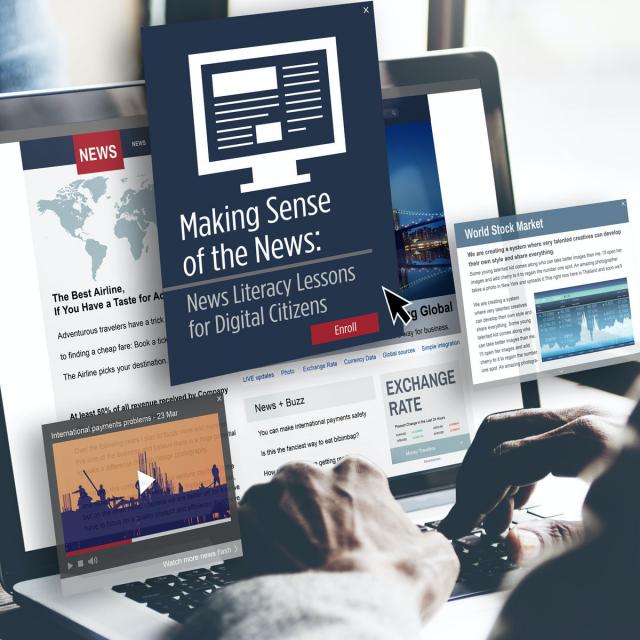
Making Sense of the News: News Literacy Lessons for Digital Citizens (Coursera) Coursera
University of Hong Kong,The State University of New York

Making Sense of the News: News Literacy Lessons for Digital Citizens (Coursera)

Never before has the need for News Literacy been more urgent. As news consumers are bombarded with a constant stream of fake news, propaganda, hoaxes, rumors, satire, and advertising — that often masquerade as credible journalism — it is becoming more and more difficult to distinguish fact from fiction. While the public’s faith in the news media erodes, purveyors of misinformation have helped give rise to troubling cultural trends and alarming political movements.

Nov 2nd 2026
5-12 Weeks
Try RRI! A guide for Responsible Research and Innovation (Coursera) Coursera
University of Amsterdam

Try RRI! A guide for Responsible Research and Innovation (Coursera)

In this online course you will learn how to apply Responsible Research and Innovation (RRI) in your own work. First by understanding why it is important to act responsibly in your research and innovation processes at all. In a second step, you will get introduced to several tools that will help make your own work in research and/or innovation more aware by introducing concepts of RRI.

Nov 9th 2026
3 Weeks
Diversity and Inclusion in Education (Coursera) Coursera
University of Glasgow

Diversity and Inclusion in Education (Coursera)

Student diversity is becoming the rule rather than the exception in education systems across the world. Students bring to classroom different characteristics such as ability and disability, socio-economic background, race, ethnicity, and cultural background, beliefs and religion, and gender characteristics. The United Nations’ Sustainable Development Goal 4 aims to ensure inclusive and equitable quality education and promote lifelong learning opportunities for all (United Nations, 2015).

Nov 2nd 2026
4 Weeks