Global Food Security: Addressing the Challenge (FutureLearn)

Offered by Lancaster University,
Global Food Security: Addressing the Challenge (FutureLearn)

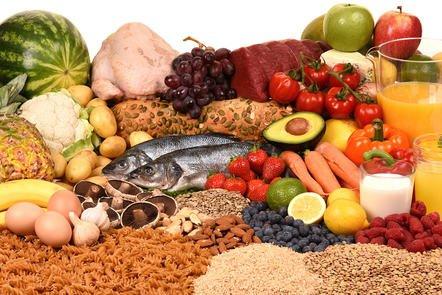
How will we feed an extra two billion people by the middle of this century? In this course, we introduce the issue of food security and explore some of the different ways in which it has been described both in research and in practice and consider key concerns for the future.

Class Deals by MOOC List - Click here and see FutureLearn's Active Discounts, Deals, and Promo Codes.

Our central concern is ‘How we will feed an extra two billion people by the middle of this century?’ Focussing both on UK agriculture and on food supply chains in other parts of the world, we will examine how food has shaped our environmental and social landscapes. We will see that, while everyone would agree that food security is ‘a good thing’, ideas about what it means in practice and how it should be achieved vary tremendously.

Proposed developments to address global food insecurity range from technological inventions in the efficacy of large-scale agriculture through social and cultural innovations in local food production and consumption. You’ll be exploring a number of topics that address many issues including:

  • Is food security really just about food?
  • Should we have concerns about health, social justice, environmental degradation and cultural diversity?
  • What is the role of technology and innovation in promoting food security?

And much more.
In the final week we explore the big picture by considering food systems and food chains as a whole. Using examples from some of the case studies that we’ve explored, we consider the relationships between production and consumption and question whether particular kinds of agriculture are linked to particular diets and patterns of consumption.
We will explore the role of the retailer and the consumer in more detail as we ask what it means to enjoy a safe, healthy, sustainable diet. We also consider the issue of food poverty and how this fits within the food security debate.


Go to Class
MOOC List is learner-supported. When you buy through links on our site, we may earn an affiliate commission.

Related Courses

Why Do We Age? The Molecular Mechanisms of Ageing (FutureLearn) FutureLearn
University of Groningen,University Medical Center Groningen - UMCG

Why Do We Age? The Molecular Mechanisms of Ageing (FutureLearn)

Why do we age? Is there a limit to human lifespan? Can we prolong our lives? Find out with this free online course. Discover the science behind the ageing process. The “why” and “how” of ageing has puzzled mankind ever since it questioned its place in the universe.

Self Paced
5-12 Weeks
Introduction to Critical Care Medicine (FutureLearn) FutureLearn
University of Glasgow

Introduction to Critical Care Medicine (FutureLearn)

Learn how to handle complex issues faced in Critical Care Units when other options on the ward have been exhausted. Learn how to manage common presentations seen in Critical Care Units. Critical care is an emerging specialty in hospitals and, with an increasing population living with multiple co-morbidites, the burden on Critical Care Units is rising. In this course, find out about the common presentations seen in a Critical Care Unit and how to manage them effectively.

Self Paced
3 Weeks
Health and Wellbeing in the Ancient World (FutureLearn) FutureLearn
The Open University

Health and Wellbeing in the Ancient World (FutureLearn)

Use literary and archaeological evidence to see how ancient Greeks and Romans approached health, well-being and societal issues. What did being healthy in ancient Rome or Greece look like? How can we tell what well-being meant in ancient times? This online course will help you investigate these questions, using both literary and archaeological evidence, to uncover details of real life in ancient societies.

Self Paced
5-12 Weeks
Nutrition and Disease Prevention (FutureLearn) FutureLearn
Taipei Medical University

Nutrition and Disease Prevention (FutureLearn)

Learn about the relationship between diet and disease and discover the role a nutrient-rich diet can play in disease prevention. Understand how good nutrition can prevent disease. Diet-related diseases and obesity levels are rising. On this course you will explore the relationship between diet and disease and the role diet plays in weight management. You will examine the latest research studies to consider how poor nutrition can lead to ill health, and whether what we eat can help to prevent the onset of common diseases, such as cancer.

Self Paced
4 Weeks
Digital Health for Cancer Management: Smart Health Technologies in Complex Diseases (FutureLearn) FutureLearn
Taipei Medical University

Digital Health for Cancer Management: Smart Health Technologies in Complex Diseases (FutureLearn)

Learn how new digital health technologies are transforming cancer management with this course for healthcare professionals. Recent advances in cancer treatment and management have lead to people with cancer living longer than ever before, now healthcare must begin to consider how to help people with cancer live healthily. On this course you will explore and discuss how new digital health technologies, like wearables, social media and home sensors, are starting to transform the management of cancer.

Self Paced
4 Weeks
Introduction to Health Technology Assessment (FutureLearn) FutureLearn
University of Glasgow

Introduction to Health Technology Assessment (FutureLearn)

Learn about health technology assessment (HTA) and quality of life (QoL), and how they’re used to decide which treatments to fund. Get an introduction to health technology assessment (HTA). This online course provides a short, interactive introduction to health technology assessment (HTA), based on the University of Glasgow’s successful online distance-learning programme, the MSc in HTA.

Self Paced
3 Weeks
Protecting Health Data in the Modern Age: Getting to Grips with the GDPR (FutureLearn) FutureLearn
University of Groningen

Protecting Health Data in the Modern Age: Getting to Grips with the GDPR (FutureLearn)

Learn how the GDPR helps to protect health data and get familiar with rights, obligations, risks and safeguards. Join this course to understand how health data is protected. People use technologies to track their fitness and health. Medical and health professionals use technologies to treat patients. These technologies generate a lot of health data. With technological developments in the health sector come questions of privacy.

Self Paced
2 Weeks
Understanding Anxiety, Depression and CBT (FutureLearn) FutureLearn
University of Reading

Understanding Anxiety, Depression and CBT (FutureLearn)

Improve your understanding of depression and anxiety and find out more about an effective and evidence-based treatment: CBT. Anxiety and depression are terms discussed widely, in different media and amongst family and friends. But what do those labels actually mean? On this five week course, from the University of Reading, you will explore what it means to have anxiety or depression and how they are identified.

Self Paced
5-12 Weeks
Understanding Insulin (FutureLearn) FutureLearn
University of Southampton

Understanding Insulin (FutureLearn)

Learn more about all things insulin: from how it works, to insulin types, to side effects and guidance on how to prescribe safely. The current spend on diabetes care by the NHS is estimated to be £1.6 million pounds per hour. 80% of this is spent on managing diabetes complications, the risk of which can be significantly reduced through effective blood glucose control using insulin.

Self Paced
4 Weeks