ePROTECT Respiratory Infections (OpenWHO)

ePROTECT Respiratory Infections (OpenWHO)

All personnel responding to outbreaks of Acute Respiratory Infections (ARIs) need to have the basic knowledge and skills to mount an effective response. They need to understand what ARIs are, how they are transmitted, how to assess the risk of infection and to understand basic hygiene measures to protect themselves. This learning package consists of 4 modules with videos and downloadable presentations.

La version française de ce cours est disponible sur : https://openwho.org/courses/eprotect-infections-respiratoires-aigues
The Indonesian version of this course is available here: https://openwho.org/courses/eprotect-infeksi-saluran-nafas-akut
The Russian version of this course is available here: https://openwho.org/courses/eprotect-acute-respiratory-infections-RU
A versão em português deste curso está disponível aqui: https://openwho.org/courses/eprotect-infeccoes-respiratorias-agudas

Overview:
This course provides a general introduction to Acute Respiratory Infections (ARIs) and basic hygiene measures to protect against infection. By the end of the course, you should be able to describe basic information about ARIs including what they are, how they are transmitted, how to assess the risk of infection and list basic hygiene measures to protect against infection.

Learning objective:
Understand the basic principles of acute respiratory infections, how to assess the risk of infection and basic hygiene measures to protect against infection.

Course duration: Approximately 2 hours.
Certificates: There is no certificate available at this time.

Course contents

Module 1: Acute Respiratory Infection (ARIs) of public health concern - Introduction:
Overall learning objective: To describe basic information about acute respiratory infections including transmission, symptoms, treatment and prevention.

Module 2: How to protect yourself against Acute Respiratory Infections (ARIs):
Overall learning objective: How to manage the risk from ARIs.

Module 3: Basic hygiene measures:
Overall learning objective: To describe basic hygiene measures to protect against ARIs.

Module 4: Wearing a medical mask:
Overall learning objective: To describe when and how to wear a medical mask.

Go to Class
MOOC List is learner-supported. When you buy through links on our site, we may earn an affiliate commission.

Related Courses

How Music Can Change Your Life (Coursera) Coursera
University of Melbourne

How Music Can Change Your Life (Coursera)

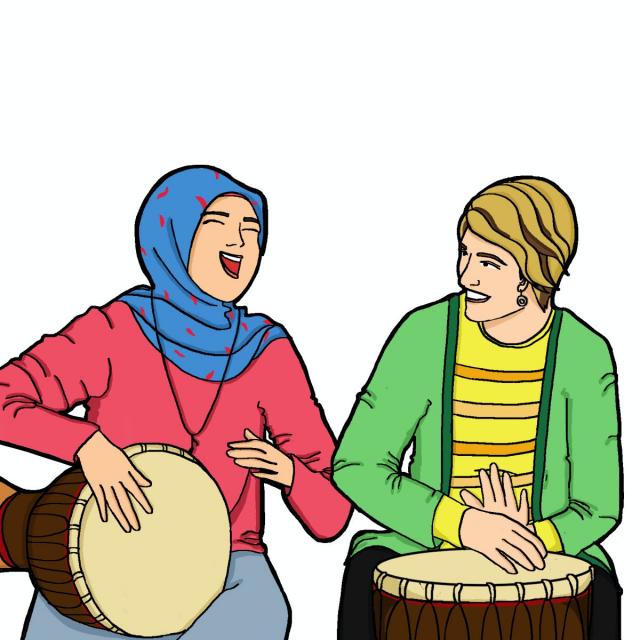
Did you ever wonder how music works? This course provides free video, audio and journal resources that explain six basic principles about how music can influence individual and community health and wellbeing. From biology and neuroscience, to psychotherapy and politics, the ways we engage with music can make all the difference. Music has always played an integral role in the lives of individuals and communities all around the globe.

Aug 17th 2026
5-12 Weeks
Medical Cannabis for Pain Control (Coursera) Coursera
Technion - Israel Institute of Technology

Medical Cannabis for Pain Control (Coursera)

Cannabis is a group of flowering plants that has been long used for industrial, recreational and medical purposes. When relating to its medical use, the terms "Medical Cannabis" or "Medical marijuana" has become prevalent. In this course we will use the term "Medical Cannabis". Nowadays, Medical Cannabis involves multiple medical disciplines such as neuroscience, pain, pharmacology, oncology, psychiatry and more. Moreover, it has cultural, agricultural and social, legal and political implications.

Aug 17th 2026
5-12 Weeks
Clinical Care Severe Acute Respiratory Infection (OpenWHO) OpenWHO
World Health Organization

Clinical Care Severe Acute Respiratory Infection (OpenWHO)

Welcome to the Clinical Care Training for Severe Acute Respiratory Infection (SARI). This course includes content on clinical management of patients with a severe acute respiratory infection. It is intended for clinicians who are working in intensive care units (ICUs) in low and middle-income countries and managing adult and pediatric patients with severe forms of acute respiratory infection (SARI), including severe pneumonia, acute respiratory distress syndrome (ARDS), sepsis and septic shock.

Self Paced
Self-Paced
Emerging respiratory viruses, including COVID-19 (OpenWHO) OpenWHO
World Health Organization

Emerging respiratory viruses, including COVID-19 (OpenWHO)

Coronaviruses are a large family of viruses that are known to cause illness ranging from the common cold to more severe diseases such as Middle East Respiratory Syndrome (MERS) and Severe Acute Respiratory Syndrome (SARS). A novel coronavirus (COVID-19) was identified in 2019 in Wuhan, China. This is a new coronavirus that has not been previously identified in humans. This course provides a general introduction to COVID-19 and emerging respiratory viruses and is intended for public health professionals, incident managers and personnel working for the United Nations, international organizations and NGOs. As the official disease name was established after material creation, any mention of nCoV refers to COVID-19, the infectious disease caused by the most recently discovered coronavirus.

Self Paced
Self-Paced
Preventing Chronic Pain: A Human Systems Approach (Coursera) Coursera
University of Minnesota

Preventing Chronic Pain: A Human Systems Approach (Coursera)

Chronic pain is at epidemic levels and has become the highest-cost condition in health care. This course uses both creative and experiential learning to better understand chronic pain conditions and how they can be prevented through self-management in our cognitive, behavioral, physical, emotional, spiritual, social, and environmental realms.

Aug 17th 2026
5-12 Weeks
Weight Management: Beyond Balancing Calories (Coursera) Coursera
Emory University

Weight Management: Beyond Balancing Calories (Coursera)

Across the globe, more people are suffering from obesity than at any other time in our history. Why has obesity become so common and so challenging? In this course, we will look at the root cause of obesity, as explained by the latest science. We will see how our food environment has evolved over the last half-century, and how it is altering our biology to over-consume calories and resist sustained weight loss.

Aug 17th 2026
5-12 Weeks
Diabetes - a Global Challenge (Coursera) Coursera
University of Copenhagen

Diabetes - a Global Challenge (Coursera)

Diabetes and obesity are growing health problems in rich and poor countries alike. With this course you will get updated on cutting-edge diabetes and obesity research including biological, genetic and clinical aspects as well as prevention and epidemiology of diabetes and obesity. All lectures are provided by high-profile scientists from one the world's leading universities in diabetes research.

Aug 17th 2026
5-12 Weeks
The Social Context of Mental Health and Illness (Coursera) Coursera
University of Toronto

The Social Context of Mental Health and Illness (Coursera)

Learn how social factors promote mental health, influence the onset and course of mental illness, and affect how mental illnesses are diagnosed and treated. This course explores how our understanding of mental health and illness has been influenced by social attitudes and social developments in North America and around the world. The course begins by situating our contemporary mental health practices in historical context, then looks at different aspects of mental health, mental illness and mental health services and their connections to what’s going on in our social environment.

Aug 17th 2026
5-12 Weeks
Feeding the World (Coursera) Coursera
University of Pennsylvania

Feeding the World (Coursera)

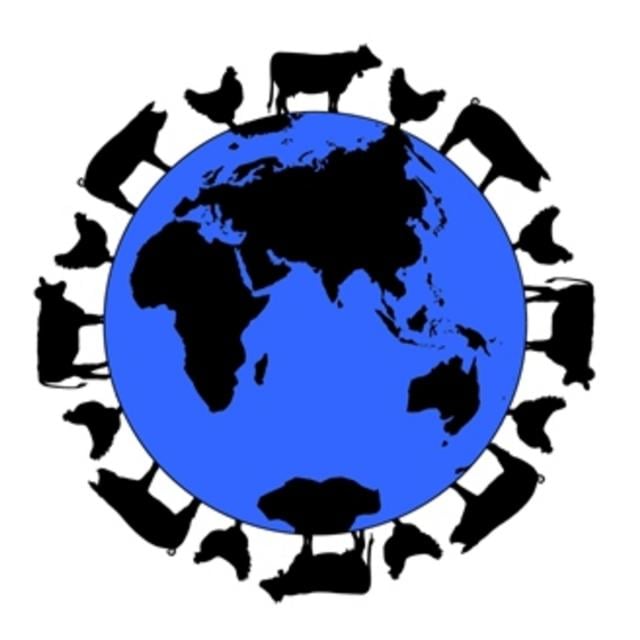
This course will explore the concepts driving current food production science (population growth, urbanization, emerging affluence, resource constraints, and underlying biological limits) with the main focus on livestock production. Each of the major food animal species (dairy, swine, beef, and poultry) will be covered in terms of their universal life cycles, constraints to production and emerging societal issues.

Aug 17th 2026
5-12 Weeks
Curanderismo: Global & Cultural Influences of Traditional Healing (Coursera) Coursera
University of New Mexico

Curanderismo: Global & Cultural Influences of Traditional Healing (Coursera)

As the last of four courses on Curanderismo, the art of Hispanic/Latino traditional medicine, this course focuses specifically on traditional healing using different techniques of many countries around the world. As an educational and cultural platform, this course will share a number of traditional global perspectives.

Aug 17th 2026
5-12 Weeks
Schizophrenia (Coursera) Coursera
Wesleyan University

Schizophrenia (Coursera)

The main goal of this class are to gain an introductory exposure to the nature of the psychiatric disorder known as schizophrenia as revealed by the scientific method. We will discuss a broad range of findings from the scientific investigation of biological and psychological factors related to schizophrenia and its treatment.

Aug 17th 2026
5-12 Weeks