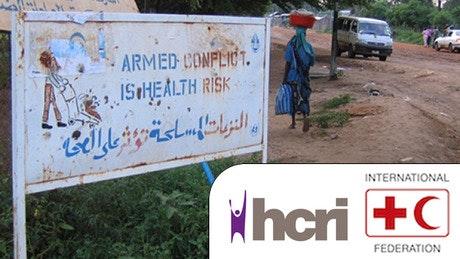
This course, Public Health in Humanitarian Crises 1, introduces discussions about the public health approach to problems experienced by people affected by disasters, both natural and related to conflict. The course discusses the many changes which occur in people’s lives when they are uprooted by a disaster, ranging from changes in disease patterns, access to health care, livelihoods, shelter, sanitary conditions, nutritional status, etceteras. We will explore what humanitarian interventions could look like if we want to mitigate the effects of disasters. The course content is a mix of theoretical knowledge and many practical examples from recent disasters. We think this course is unique because it contains so many practical ‘real-life’ examples and is taught by instructors and guest lecturers who together have over 200 years of experience in this field.
Class Deals by MOOC List - Click here and see Coursera's Active Discounts, Deals, and Promo Codes.
The course consists of 10 modules totaling approximately 9-10 hours of delivered content with an additional 2-3 hours of self-work (quizzes and writing and evaluating a short peer-review assignment) as well as lively discussions forums. The course has been designed in a way that each module builds on the lessons of previous modules. However, you may do the modules in any order and some can be done separately.
You do not have to pay for this course if you choose to enroll without a certificate. Sometimes referred to as auditing, enrolling without a certificate means that you will have access to all of the videos, quizzes, assignments, and discussions. The only difference is that you will not receive a certificate upon completion. Click the Enroll Without a Certificate link to sign up and begin the course. Even if you enroll in a session that has yet to begin, you may access most of the course materials right away by clicking the Preview Course Materials link. However, you will have to wait for the session to begin before posting your comments on the discussion forum or accessing the final peer-reviewed assessment. Visit the Learner Help Center for details about session schedules.
If you want to learn more, there is a second course which follows this one entitled, Public Health in Humanitarian Crises 2. We welcome you to take this. The course has a similar set-up and discusses additional topics, such as infectious disease outbreaks, disease epidemiology, maternal and newborn health, mental health, humanitarian project design, humanitarian principles, and many other topics.
Course 2 of 6 in the Foundations of Global Health Specialization
Syllabus
WEEK 1
Module 1: Humanitarian Disasters and Public Health
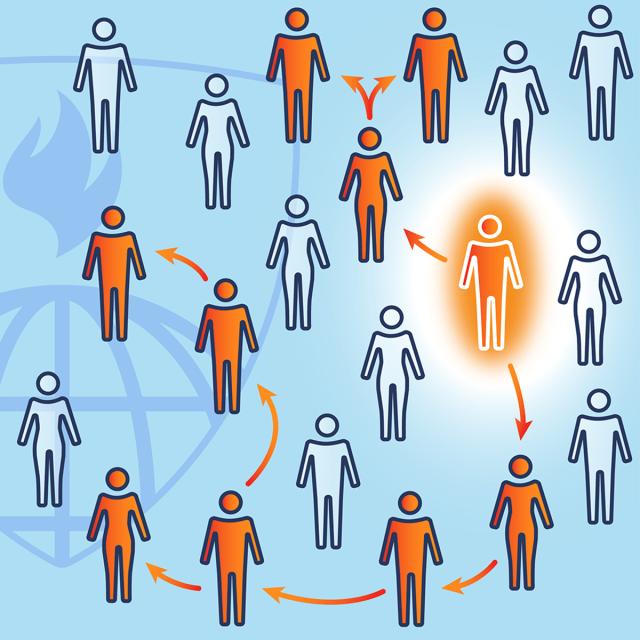
In this module we will define what we mean by disasters, hazards, risks and vulnerabilities. We look at patterns and trends and understand the role of public health in disasters.
Module 2: Humanitarian Actors and Coordination
There are many humanitarian actors that play a role in a disaster. This module describes many of them and also looks at various coordination models that are used.
WEEK 2
Module 3: Water and Sanitation
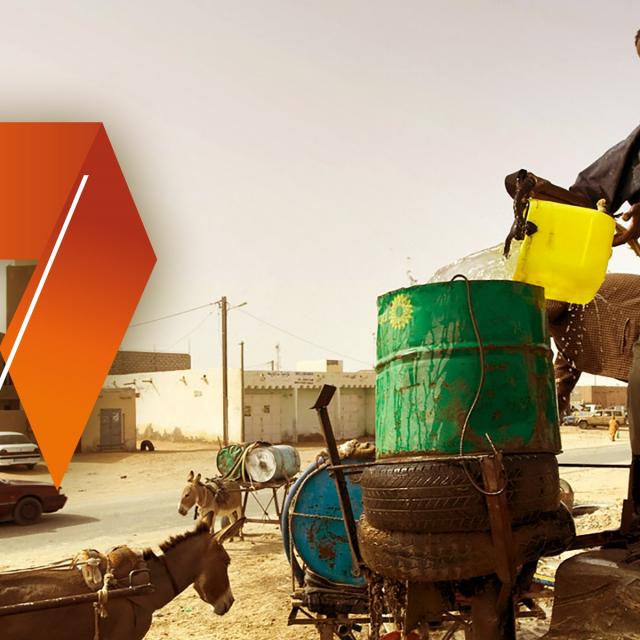
This module describes the burden of, and mechanisms of, sanitation and water-related diseases in humanitarian crises. We also illustrate the various strategies and priorities that can be used to reduce outbreaks of those diseases.
Module 4: Livelihoods and Food Security in Humanitarian Crises
Disasters affect livelihoods. This module illustrates how and what livelihoods strategies families use to cope with a crisis. We also describe what food security entails and ways to assess it. We look at various livelihoods support programs that can be used in disaster settings.
WEEK 3
Module 5: Nutrition in Humanitarian Crises
This module looks at who is at risk to become malnourished in a disaster context and why that is the case. We will describe various types of malnutrition, the treatment and various preventative actions.
Module 6: Management of Diseases in Humanitarian Crises
This module examines the patterns of disease in affected populations. We will understand how the changes in population characteristics as well as life styles have changed the nature of the burden of disease populations from that of predominantly communicable to a pattern of non communicable diseases.
WEEK 4
Module 7: Health Care in Humanitarian Emergencies
Disasters put special strains on the provision of health services as demands increase and resources to meet these needs diminish. The six major components of health services may be each damaged in different ways, and all can require urgent attention. This is all discussed in this module.
Module 8: Shelter in a Humanitarian Setting
In this module we talk about shelter and what it means. We describe how and which shelter solutions contribute towards immediate and longer-term recovery of people affected by disasters.
WEEK 5
Module 9: Protection of Displaced Populations: Human Rights & Humanitarian Law
Many disasters cause populations to be displaced. The module on the protection of displaced populations explores the international protection of individuals in relation to public health, human rights, and international humanitarian law.
Module 10: Emerging Risks, Challenges, and Opportunities for Future Humanitarian Emergencies
The potential for future disasters is great, and each having important public health components. New resources and new approaches will be needed to address these disasters and to help countries to recover economies and livelihoods. This module discusses the challenges and future directions in humanitarian assistance.