El Valle de los Reyes (Coursera)

El Valle de los Reyes (Coursera)

Este curso va dirigido a todos los amantes de la historia y arqueología, en general, y de manera particular a todos los interesados en egiptología, independientemente de su nivel de conocimiento inicial. El Valle de los Reyes constituye uno de los yacimientos arqueológicos más importantes de Egipto y su estudio, desde diferentes enfoques, resulta muy atractivo para cualquier aficionado o profesional de la egiptología. Con este curso nos proponemos conocer su historia y evolución a lo largo de las dinastías XVIII-XX del Reino Nuevo egipcio, desde su origen hasta su abandono y desmantelamiento.

Class Deals by MOOC List - Click here and see Coursera's Active Discounts, Deals, and Promo Codes.

Nos introduciremos en su geología y conservación; estudiaremos su arqueología, llena de descubrimientos emocionantes, de investigaciones que no cesan, y de arqueólogos que, como Howard Carter, asociaron su vida al Valle; conoceremos la organización de los trabajadores de Deir el-Medina que excavaron y decoraron estos hipogeos; estudiaremos parte del material funerario contenido en algunas de sus tumbas, con especial atención a los sarcófagos y ushebtis reales, así como peces procedentes de la tumba de Tutankhamos; conoceremos los principales textps religiosos e iconografía que decoran las tumbas de los reyes. En definitiva, profundizando en el estudio del Valle de los Reyes conseguiremos adentrarnos un poco más en el conocimiento de la cultura y el legado el Antiguo Egipto.

Syllabus

WEEK 1
Bienvenidos y bienvenidas
Origen
En esta primera semana queremos mostrar, aún someramente, cómo eran las tumbas reales anteriores al Valle de los Reyes. A continuación, estudiaremos la geología del Valle y la toponimia local, conoceremos cómo trabajaba y cómo se organizaba la comunidad de Deir el-Medina y ofreceremos una introducción a la iconografía funeraria.

WEEK 2
Descubrimento
Mostraremos cuál fue el devenir del Valle de los Reyes tras su abandono y cómo se desarrollaron las primeras exploraciones y excavaciones en el lugar. Indagaremos sobre la localización de las tumbas de los primeros reyes de la dinastía XVIII y sobre la primera tumba del Valle. Conoceremos cómo eran las tumbas y el ajuar que contenían.

WEEK 3
Imiduat
Estudiaremos las tumbas de Tutmosis III a Amenhetep III y hablaremos sobre la identificación de la tumba de Tutmosis II. Comenzaremos a tratar partes importantes del mobiliario y ajuar funerario de las tumbas reales de la dinastía XVIII

WEEK 4
Maravilllas
¿Cómo se desarrolló la carrera de Howard Carter hasta concluir en su espectacular descubrimiento de Tutankhamon? Nos acercaremos a la figura de Carter, a la tumba de Tutankhamon y estudiaremos simbología y criptografía en algunos ejemplos concretos del ajuar del joven faraón.

WEEK 5
Puertas
Nos centraremos en el estudio de las tumbas de los últimos reyes de la dinastía XVIII y las numerosas tumbas privadas de ese período, entre las que se hallan algunas tumbas intactas y muchas exploradas por recientes misiones arqueológicas. Analizaremos la decoración parietal de las tumbas de la dinastía XVIII.

WEEK 6
Grandeza
¿Cómo evolucionaron las tumbas reales a lo largo de la dinastía XIX? Veremos los cambios producidos y analizaremos la iconografía del mejor ejemplo de la época, la tumba de Seti I. Igualmente, describiremos los techos astronómicos que aparecen en el Valle, precisamente, con Seti I.

WEEK 7
Cavernas
Seguiremos explorando el Valle, recorriendo las tumbas reales de la dinastía XX, de Ramsés III a Ramsés IX, y las tumbas privadas de la época. Estudiaremos el caso de Ramsés VI como ejemplo de iconografía así como las más importantes piezas de mobiliario funerario. De igual modo, describiremos el Libro de Nut, aparecido en el Valle desde Ramsés IV.

WEEK 8
Ocaso
¿Cómo acabó el Valle de los Reyes? Terminaremos nuestro recorrido por la historia y arqueología del Valle visitando sus dos últimas tumbas reales, y acercándonos a la serie de robos y desmantelamientos que terminaron con su rico contenido. Como colofón, daremos un salto a los problemas que actualmente, en su explotación y gestión, afectan al Valle.

WEEK 9
Revisión
Go to Class
MOOC List is learner-supported. When you buy through links on our site, we may earn an affiliate commission.

Related Courses

The Emergence of the Modern Middle East - Part II (Coursera) Coursera
Tel Aviv University

The Emergence of the Modern Middle East - Part II (Coursera)

This course will discuss the developments in the Middle East from the early 20th century to the present. It will discuss the rise and retreat of Arab nationalism, the problems of internal cohesion of the Arab states, issues of religion and state, and the evolution of Islamist politics. It will also focus on the evolution of the Arab-Israeli conflict and its impact on the region and will conclude with an in depth analysis of the “Arab Spring” by placing these contemporary revolutionary events in their historical context.

Aug 10th 2026
5-12 Weeks
Organising an Empire: The Assyrian Way (Coursera) Coursera
Ludwig-Maximilians-Universität München

Organising an Empire: The Assyrian Way (Coursera)

Discover the mighty kingdom of Assyria, which came to be the world’s first great empire three thousand years ago. From the 9th to the 7th centuries BC, during the imperial phase of Assyria’s long history, modern day northern Iraq was the central region of a state reaching from the Mediterranean Sea to the Persian Gulf, and incorporating what is now Iraq, Syria, and Lebanon, as well as half of Israel, and wide parts of south-eastern Turkey, and Western Iran.

Aug 10th 2026
5-12 Weeks
Iniciación a los Jeroglíficos Egipcios (Coursera) Coursera
Universitat Autònoma de Barcelona

Iniciación a los Jeroglíficos Egipcios (Coursera)

¿Te apasiona la historia y la cultura del antiguo Egipto? ¿Sientes fascinación por las lenguas y los sistemas de escritura de las civilizaciones de la Antigüedad? ¿Te atrae la idea de adentrarte en el secreto de los jeroglíficos egipcios y comprender las claves de su lectura e interpretación? ¡Si es así, este es tu curso!

Aug 3rd 2026
5-12 Weeks
The Holocaust: The Destruction of European Jewry (Coursera) Coursera
University of California, Santa Cruz

The Holocaust: The Destruction of European Jewry (Coursera)

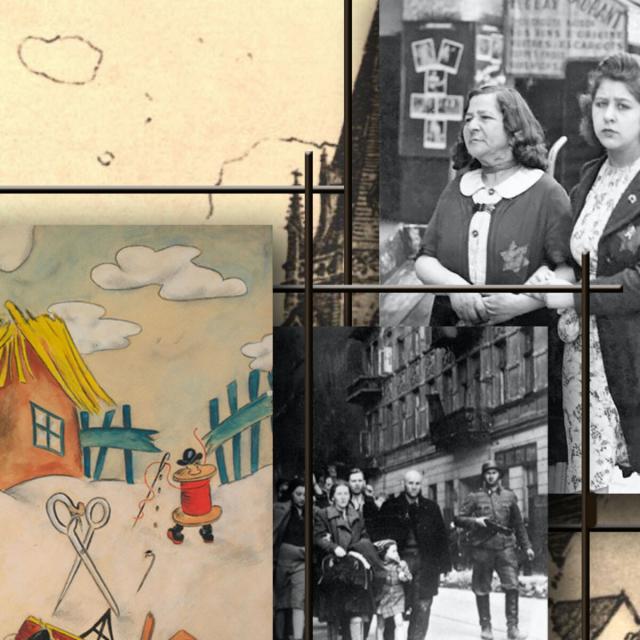
The Holocaust: The Destruction of European Jewry is an adaptation of an on-campus course that has been co-taught by Murray Baumgarten, Distinguished Professor of English and Comparative Literature (Literature Department), and Peter Kenez, Professor Emeritus (History Department), for over 20 years at UC Santa Cruz. In this course, you will explore the Holocaust from the overlapping perspectives of literature and history—through memoirs, historical documents, poetry, documentary footage, filmic representations, and novels.

Jul 27th 2026
5-12 Weeks
Wonders of Ancient Egypt (Coursera) Coursera
University of Pennsylvania

Wonders of Ancient Egypt (Coursera)

Colossal pyramids, imposing temples, golden treasures, enigmatic hieroglyphs, powerful pharaohs, strange gods, and mysterious mummies are features of Ancient Egyptian culture that have fascinated people over the millennia. The Bible refers to its gods, rulers, and pyramids. Neighboring cultures in the ancient Near East and Mediterranean wrote about its god-like kings and its seemingly endless supply of gold. The Greeks and Romans describe aspects of Egypt's culture and history.

Aug 3rd 2026
5-12 Weeks
Modern Art & Ideas (Coursera) Coursera
The Museum of Modern Art

Modern Art & Ideas (Coursera)

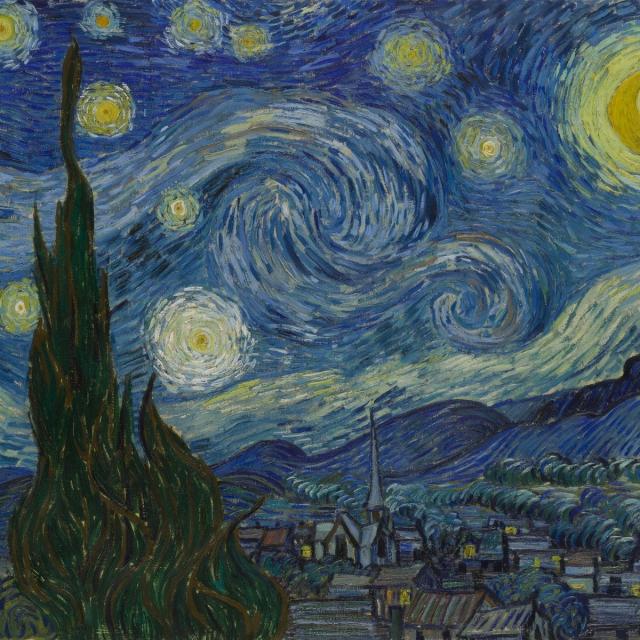
Welcome to Modern Art & Ideas! This course is designed for anyone interested in learning more about modern and contemporary art. Over the next five weeks, you will look at art through a variety of themes: Places & Spaces, Art & Identity, Transforming Everyday Objects, and Art & Society. Each week kicks off with a video that connects works of art from The Museum of Modern Art’s collection to the theme. You will hear audio interviews with artists, designers, and curators and learn more about selected works in the additional readings and resources.

Jul 27th 2026
5-12 Weeks
Intellectual Change in Early China: Warring States and Han (Coursera) Coursera
The Chinese University of Hong Kong

Intellectual Change in Early China: Warring States and Han (Coursera)

This sequence of four courses will propose a multi-disciplinary approach to the study of Chinese cultural history conceived of as a succession of modes of rationality (philosophical, bureaucratic, and economic). The focus will be on the moments of paradigm shift from one mode of rationality to another. For each of these moments, cultural facts and artifacts—thought, literature, ritual—will be examined in relationship to changing social, political, and economic systems.

Aug 10th 2026
5-12 Weeks
Terrorism and Counterterrorism: Comparing Theory and Practice (Coursera) Coursera
Leiden University

Terrorism and Counterterrorism: Comparing Theory and Practice (Coursera)

Terrorism has arguably been one of the defining factors of our age. It frequently makes headlines, threatening or attacking governments, private business and ordinary citizens. And in many parts of the world, it has been one of the most important threats to peace, security and stability. But what does this exactly mean? What is the nature of this threat? Who or what is threatened, how, by whom and why? What can be done about it or how can we at least limit the impact of terrorism and make sure that terrorists do not make headlines and manage to scare us? These are just a handful of questions that will be addressed in this course that consists of three parts.

Aug 10th 2026
5-12 Weeks
The Holocaust - An Introduction (II): The Final Solution (Coursera) Coursera
Tel Aviv University,Yad Vashem

The Holocaust - An Introduction (II): The Final Solution (Coursera)

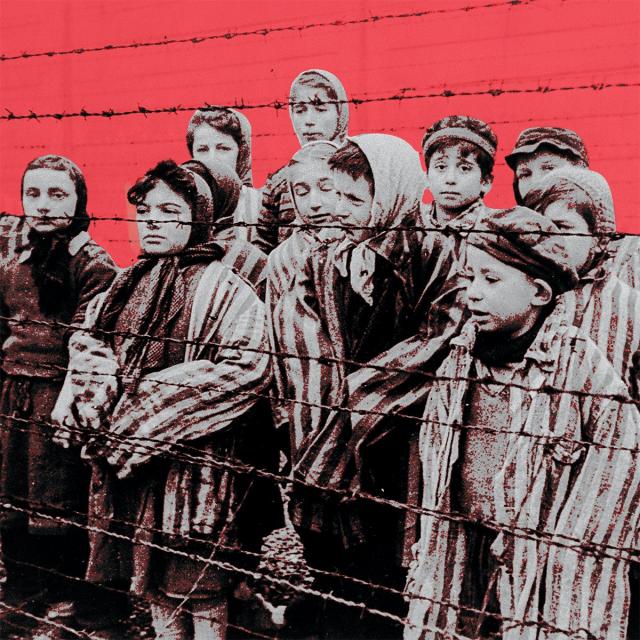
The Holocaust was an inconceivable historical event, which forever robbed Western culture of its innocence. As civilized human beings, we fail to understand how events of such horror could have taken place, and how an idea so inhumanly warped could have spread like wildfire through an entire continent, instigating the systematic annihilation of millions of Jews.

Aug 10th 2026
3 Weeks
The Ancient Greeks (Coursera) Coursera
Wesleyan University

The Ancient Greeks (Coursera)

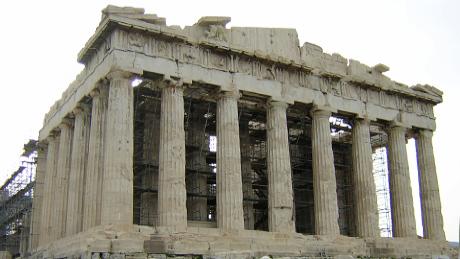
This is a survey of ancient Greek history from the Bronze Age to the death of Socrates in 399 BCE. Along with studying the most important events and personalities, we will consider broader issues such as political and cultural values and methods of historical interpretation.

Jul 27th 2026
5-12 Weeks
The Modern and the Postmodern (Part 2) (Coursera) Coursera
Wesleyan University

The Modern and the Postmodern (Part 2) (Coursera)

This course examines how the idea of "the modern" develops at the end of the 18th century in European philosophy and literature, and how being modern (or progressive, or hip) became one of the crucial criteria for understanding and evaluating cultural change. Are we still in modernity, or have we moved beyond the modern to the postmodern?

Aug 10th 2026
5-12 Weeks