e-Bug Health Educator Training (FutureLearn)

e-Bug Health Educator Training (FutureLearn)

Improve your ability to teach children and young people how to prevent the spread of infection and to use antibiotics responsibly. Learn how to use the e-Bug teaching resource. e-Bug is operated by Public Health England (PHE) as a free educational resource for teaching young people aged 4-18 about the spread, prevention, and treatment of infections and antibiotic use.

Class Deals by MOOC List - Click here and see FutureLearn's Active Discounts, Deals, and Promo Codes.

This course was developed by PHE and the British Society for Antimicrobial Chemotherapy (BSAC) for teachers/educators, and others who work with children or young people. Use this course to learn more about important health topics and increase your knowledge, skills and confidence in using e-Bug resources, which tie into efforts to reduce the spread of infections and antibiotic resistance in the UK.

What topics will you cover?
This course focuses on a variety of health topics spread over a three-week period.
Week 1: Introduction to microbes, hand hygiene, and respiratory hygiene
Week 2: Food hygiene and oral hygiene
Week 3: Antimicrobial resistance
Each week features a different set of learning outcomes that align to the topics covered.

Learning on this course
You can take this self-guided course and learn at your own pace. On every step of the course you can meet other learners, share your ideas and join in with active discussions in the comments.

What will you achieve?
By the end of the course, you‘ll be able to...

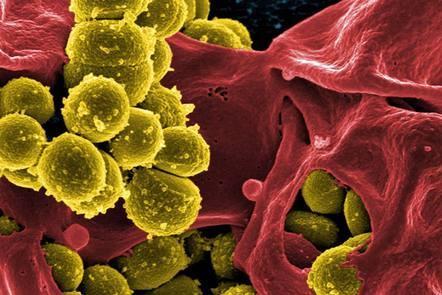
  • Explain to children and young people that microbes live everywhere, come in different shapes and sizes, and there are useful and harmful microbes.
  • Demonstrate to children and young people how infection can spread through our hands, coughs and sneezes and why it is important to use soap and the six steps of hand-washing.
  • Demonstrate and explain to children and young people how microbes can spread through food or unclean kitchen surfaces.
  • Explore the influence that sugary food and drinks have on oral health with children and young people, and demonstrate the benefits of effective tooth-brushing.
  • Explain the importance of antibiotics to children and young people, demonstrate what antibiotic resistance is and how we can prevent it.

Who is the course for?
Primary and secondary school educators, as well as those who lead community groups targeting children and young people. This course is designed for child educators in different settings around the UK, but may be appropriate for other countries and settings. Parents who are home educating might find this course useful if they would like to learn how to teach children about the prevention and spread of infection and caring for themselves and others when ill.
The course might also be of interest to healthcare professionals who work with children, for example, school nurses. Local authority or government officials involved in the management of infections and improving antibiotic use within communities, might also find this course useful.

Go to Class
MOOC List is learner-supported. When you buy through links on our site, we may earn an affiliate commission.

Related Courses

Exercise Prescription for the Prevention and Treatment of Disease (FutureLearn) FutureLearn
Trinity College Dublin

Exercise Prescription for the Prevention and Treatment of Disease (FutureLearn)

Learn how physical exercise can help patients including those with cardiovascular disease, mental health problems and cancer. In the last few decades physical exercise has become well established as a tool to prevent and treat disease. Perceptions within the healthcare sector of exercise and its prescription as a treatment have changed dramatically in recent years.

Self Paced
2 Weeks
Challenges in Antibiotic Resistance: Point Prevalence Surveys (FutureLearn) FutureLearn
British Society for Antimicrobial Chemotherapy - BSAC

Challenges in Antibiotic Resistance: Point Prevalence Surveys (FutureLearn)

Learn how to use Point Prevalence Surveys (PPS) to measure antibiotic consumption and fight antimicrobial resistance. Point Prevalence Surveys (PPS) are an important tool for healthcare professionals to use to assess and improve antibiotic prescribing locally, nationally and globally. This online course - led by experts from the British Society for Antimicrobial Chemotherapy (BSAC) - looks at their use. You’ll discover the importance of measuring antibiotic consumption and how PPS can help.

Self Paced
2 Weeks
Dysphagia: Swallowing Difficulties and Medicines (FutureLearn) FutureLearn
University of East Anglia

Dysphagia: Swallowing Difficulties and Medicines (FutureLearn)

This course will enhance the knowledge of any person involved in the administration of medicines to patients with dysphagia. The course offers an opportunity to network with other learners and with the creators of the course through discussions, graphs and social networking features and to share knowledge with other learners and professionals.

Self Paced
5-12 Weeks
Digital Wellbeing (FutureLearn) FutureLearn
University of York

Digital Wellbeing (FutureLearn)

Do digital technologies affect our wellbeing? Explore the concepts of health, relationships and society in the digital age. Discover how digital technology affects our wellbeing. What is the impact of digital technology on our health, relationships and society? How do we ensure our own digital wellbeing? Explore the answers to these questions and more with this course.

Self Paced
3 Weeks
Introduction to Critical Care Medicine (FutureLearn) FutureLearn
University of Glasgow

Introduction to Critical Care Medicine (FutureLearn)

Learn how to handle complex issues faced in Critical Care Units when other options on the ward have been exhausted. Learn how to manage common presentations seen in Critical Care Units. Critical care is an emerging specialty in hospitals and, with an increasing population living with multiple co-morbidites, the burden on Critical Care Units is rising. In this course, find out about the common presentations seen in a Critical Care Unit and how to manage them effectively.

Self Paced
3 Weeks
Liver Disease: Looking After Your Liver (FutureLearn) FutureLearn
University of Birmingham

Liver Disease: Looking After Your Liver (FutureLearn)

Learn about how your liver works, ways to look after it and how liver damage is caused, studied and treated around the world. We are currently experiencing an international explosion of liver disease that continues to have enormous impact upon healthcare systems and global health. In the UK we have seen a 20% increase in deaths related to liver disease since 2000 and this pattern reflects the global situation.

Self Paced
3 Weeks
Understanding Insulin (FutureLearn) FutureLearn
University of Southampton

Understanding Insulin (FutureLearn)

Learn more about all things insulin: from how it works, to insulin types, to side effects and guidance on how to prescribe safely. The current spend on diabetes care by the NHS is estimated to be £1.6 million pounds per hour. 80% of this is spent on managing diabetes complications, the risk of which can be significantly reduced through effective blood glucose control using insulin.

Self Paced
4 Weeks
Health and Wellbeing in the Ancient World (FutureLearn) FutureLearn
The Open University

Health and Wellbeing in the Ancient World (FutureLearn)

Use literary and archaeological evidence to see how ancient Greeks and Romans approached health, well-being and societal issues. What did being healthy in ancient Rome or Greece look like? How can we tell what well-being meant in ancient times? This online course will help you investigate these questions, using both literary and archaeological evidence, to uncover details of real life in ancient societies.

Self Paced
5-12 Weeks
OPAT: Outpatient Parenteral Antimicrobial Therapy (FutureLearn) FutureLearn
British Society for Antimicrobial Chemotherapy - BSAC

OPAT: Outpatient Parenteral Antimicrobial Therapy (FutureLearn)

Learn how patients with a serious infection can be managed in outpatient settings with the help of an OPAT service. Discover the function, role and limitations of an OPAT service. OPAT is a clinical service which enables patients with serious infection to be managed in an outpatient setting. The service aims to facilitate admission avoidance or early hospital discharge. On this course, you will be introduced to the concept of OPAT. You’ll start by looking at the roles and responsibilities within the multi-disciplinary OPAT team.

Self Paced
2 Weeks
Causes of Human Disease: Understanding Causes of Disease (FutureLearn) FutureLearn
University of Leeds

Causes of Human Disease: Understanding Causes of Disease (FutureLearn)

Learn the epidemiological methods used to understand the causes of diseases and how social factors influence their development. What causes human disease? Why do some people get a disease but others don’t? Through this course, you’ll learn how epidemiologists are helping to find answers to these complex questions and how the health of a population is measured and analysed.

Self Paced
2 Weeks