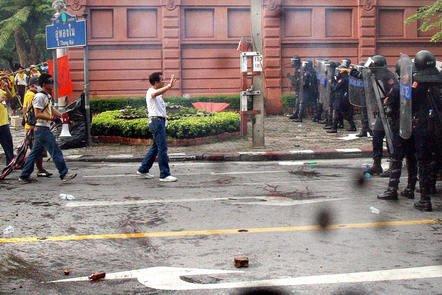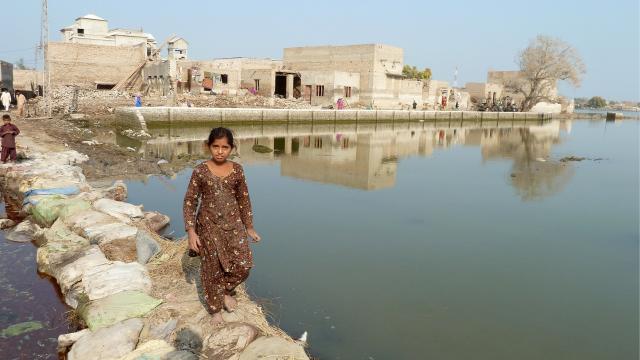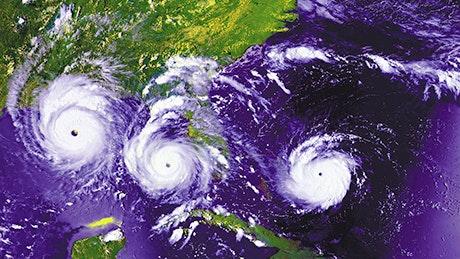
Have you ever viewed a news report depicting the aftermath of a devastating natural disaster? The damage to human life and property are both staggering and heartbreaking. All parts of the world face the possibility of floods, hurricanes, tornados, fires, landslides, earthquakes, tsunamis, and other natural phenomena. Are you prepared if disaster would strike you? This course will help you prepare!
Class Deals by MOOC List - Click here and see Coursera's Active Discounts, Deals, and Promo Codes.
The course is appropriate for any learner who is proactive about developing the core competencies of disaster readiness and survival planning. It is especially useful if you are seeking techniques that can ensure your personal protection, as well as the safety of your family, property, and belongings, during a natural disaster. In addition, it offers essential preparation for a variety of emergency situations and inconveniences, even if you do not live in major tornado, flood, hurricane, tsunami, or earthquake zone. For instance, could you and your loved ones manage without access to potable water, electricity, fuel, and banking facilities? If you are unsure of your ability to respond in any of these possible scenarios, this course is for you!
Throughout the course, you will be introduced to the Disaster Cycle, specifically the Mitigation and Recovery phases, and will create an extensive personal preparedness plan for survival in the absence of common amenities, such as food and water, shelter, and communication. You will also acquire practical, easy-to-apply strategies for maintaining a healthy attitude during disaster which can allow you to remain calm, avoid panic, and draw upon inner and outer resources in dire circumstances. Although death may be an inevitable outcome of extreme circumstances, a balanced outlook can provide comfort for all parties involved. Finally, issues of how institutions and governments can aid in disaster are also discussed.
Syllabus
WEEK 1
Introduction & Disaster Cycle
A disaster can be defined in several ways, but in all cases is a destructive event that overwhelms all available resources. A disaster may originate as natural or manmade and may be intentional or accidental. A natural disaster is caused by the forces of nature such as a hurricane, tornado, or earthquake. A manmade disaster may be the result of a terrorist act or industrial accident. Depending on the scope of the disaster, the available resources may be local, state, federal, or multinational. In this module, I will introduce the phases of the disaster cycle. The disaster cycle is a process that we constantly review and strive to improve for the future. It is important for you to understand each phase because clear expectations will enable you to develop an effective plan to keep you and your family safe. At the end of the module, be sure to complete the quiz.
WEEK 2
Personal Preparedness Basics
There are a few extreme circumstances such as a 30 foot wall of water during a tsunami or a 10-point Richter scale earthquake that are so severe it is impossible to prepare for the disaster. However, in most cases people can take a few steps to ensure their survivability during a disaster. Personal preparedness involves being both physically and mentally prepared to meet basic needs for at least three days without outside help. Last module, we talked about the disaster cycle including mitigation, response, and recovery. In this module, our focus centers on the response phase. The disaster has hit and you are taking steps to survive and to be as safe and comfortable as possible. In the lectures, I will focus on food, shelter, water, and light in a disaster situation. In addition, we have on-site instructional videos that highlight survival skills such as fire-building and water purification. Do we have any campers in the class? For those of you who are campers, these skills will be a familiar review of basic wilderness survival techniques. The lectures will also give you ideas of supplies that you might want to include in your disaster kit. Take notes during the lectures to prepare for the discussion and quiz.
WEEK 3
Personal Preparedness Safety
As we have discussed, disasters significantly overwhelm community resources and it is critical that you have a plan. In the last module, we considered the basics of food, shelter, and water in your personal preparedness plan. In this module, we move on to the topics of security, first aid, and tools. Safety is a major concern for you and your family in post-disaster situations. Use common precautions such as drinking plenty of water, wearing protective gloves and shoes, washing your hands often, and avoiding exhaustion. Depending on the situation, you may have to deal with washed out roads, broken glass, contaminated water, downed power lines, or serious gas leaks.
WEEK 4
Attitudes and Awareness
Disasters are understandably stressful situations that trigger panic, fear, confusion, and uncertainty. During a disaster, you lose control of many aspects of your life. Your family may not be together. You may not be able to access food, water, shelter, transportation, or communication. Since we do not have control of many variables, there is no point in worrying about possible disasters; however, having a clear, detailed plan in place will lessen anxiety and strengthen our ability to make timely, rational decisions if a disaster occurs. Disaster planning takes us “back to basics” and what is most important to our survival.
A positive attitude and heightened awareness will help you cope with an emergency situation. In this module's lesson, we focus on attitude and awareness, discuss an awareness-building activity, and submit your disaster preparedness plans. In the next module, you will peer-review the plans and provide feedback to you classmates.
WEEK 5
International Perspectives
In this module, we welcome guest speaker Dr. Kenichi Ogura who will discuss disaster planning in Japan. Dr. Ogura works at the Center for Emergency Medicine in Kanazawa Medical University Hospital. I am confident you will find Dr. Ogura’s presentation very helpful as the Japanese culture plans for disaster preparedness based on extensive research in earthquake and tsunami science. They have spent a great deal of money developing early warning systems and constructing buildings based on strict safety codes. Be sure to read the Time magazine article prior to viewing Dr. Ogura’s presentation. In addition, we will compare and contrast the emergency resources available in your countries. These resources will help you to recognize the role that culture plays in disaster planning. Note that you are also required to review three Personal Disaster Preparedness Plans from other students and provide feedback to them.
WEEK 6
Support and Medical Considerations
During Module 6, we will explore triage as a necessary but difficult task during disaster management. Triage is using the available resources to effectively treat the maximum number of patients with the greatest chance of survival. The process requires the clinician to quickly prioritize patients’ treatment plans based on the severity of their conditions. Triage is part of everyday life in a hospital setting, but all patients ultimately receive the treatment that they need. During a disaster, the goal is to ensure that best positive outcome for the most victims.In addition, we will consider disaster preparedness on a larger scale. Perhaps you are responsible for a group of people beyond yourself or your immediate family. You might be responsible for children in a day care setting, employees in a business, customers in a store, or even pets in a kennel. What are the major issues to consider? What supplies and equipment do you need to have available? The activity for this module involves reviewing the feedback you received from your peers and revising your Personal Disaster Preparedness Plan. The discussion focuses on an ethical dilemma that occurred at Memorial Hospital in New Orleans during the Katrina hurricane (2009). Lastly, double-check that you have completed all of the quizzes.
WEEK 7
Wilderness Survival
In the last module we talked about how disasters can displace you and your family from the comforts of your home, leaving you without food, water, and electricity. However, if you were left without shelter, or forced to take refuge in the natural habitat, are you equipped to survive? In this module we will review a set of wilderness survival techniques commonly known to many campers. Topics will include basic fire-building, water purification, constructing temporary shelters, and practical knives that can assist.