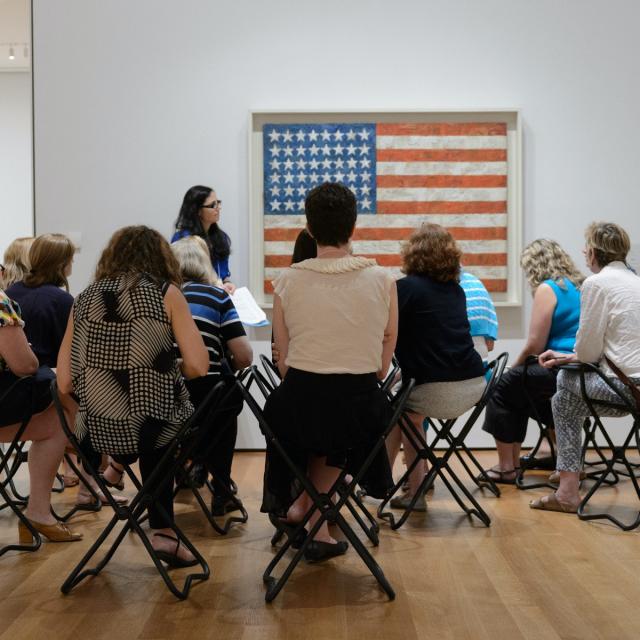
American Art (saylor.org)

Offered by Saylor.org,
American Art (saylor.org)

This course surveys art of America from the colonial era through the post-war 20th century. We will consider broad stylistic tendencies in various regions and periods and examine specific artists and works of art in historical and social contexts, with emphasis on the congruent evolution of contemporary American multi-cultural identity.

We will move chronologically, more or less, with many overlaps and cross-chronological, thematic diversions that will help shape this overview and offer different perspectives on the notion of an “American art,” per se.
Overarching issues that have interested major scholars of American art and its purview include the landscape (wilderness, Manifest Destiny, rural settlement, and urban development); the family and gender roles; the founding rhetoric of freedom and antebellum slavery; and notions of artistic modernism through the 20th century. A background in the basic concepts and terms of art history and art practice, and/or American studies in other disciplines, will be helpful in fully engaging the course material.
At the end of this syllabus, you will find a worksheet for general reference in studying art and a list of web resources frequently noted below, as well as several additional sites you can use to look up terms (including those bold-faced below), images, artists, and styles. To comply with all copyright laws, do not save any downloads accessed for your personal viewing through websites assigned below.
Upon successful completion of this course, the student will be able to:
Understand the historical (geographic, political) formation of the present United States of America;
Be familiar with renowned influential American artists from the 18th through the 20th century;
Be conversant in common stylistic designations used in Western art of the 17th through 20th centuries;
Recognize subjects and forms in “American” art through history that mark its distinction;
Be able to engage specific images, objects, and structures from different critical perspectives to consider their functions and meanings
Requirements: Have completed Introduction to Western Art History: Pre-historic to High Gothic. It is strongly recommended that you complete Introduction to Western Art History: Proto-Renaissance to Contemporary Art prior to taking this course.

Go to Class
MOOC List is learner-supported. When you buy through links on our site, we may earn an affiliate commission.

Related Courses

In the Studio: Postwar Abstract Painting (Coursera) Coursera
The Museum of Modern Art

In the Studio: Postwar Abstract Painting (Coursera)

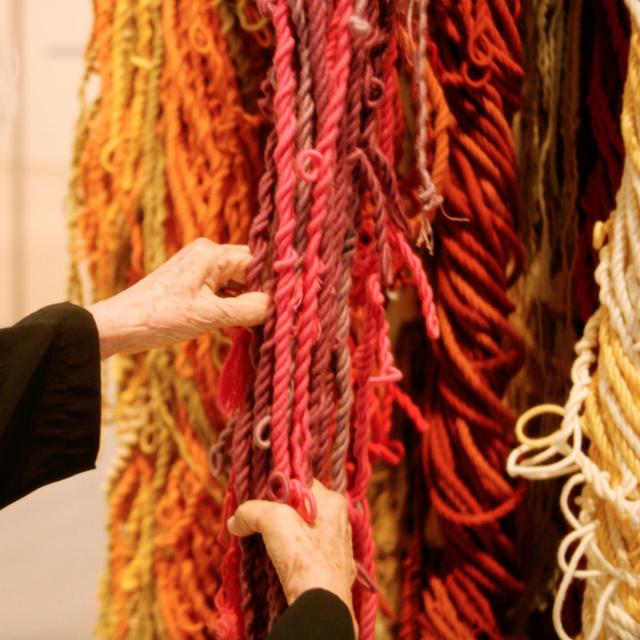
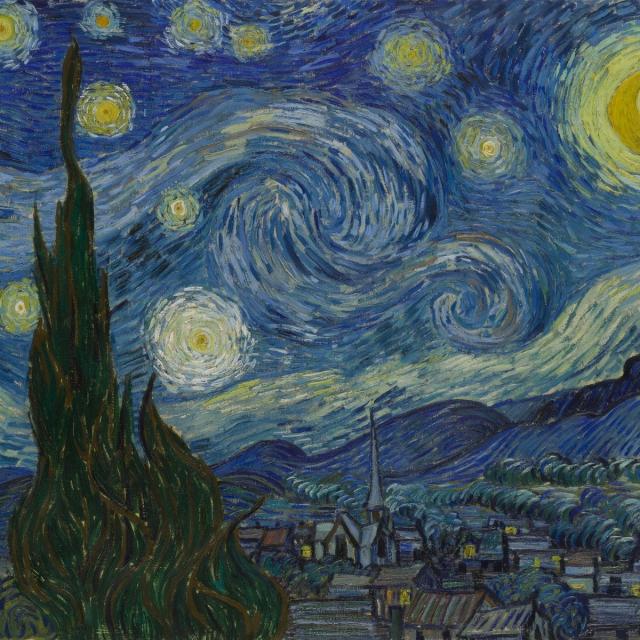
Want to know how some of the 20th century’s most celebrated artists made abstract paintings? This course offers an in-depth, hands-on look at the materials, techniques, and thinking of seven New York School artists, including Willem de Kooning, Yayoi Kusama, Agnes Martin, Barnett Newman, Jackson Pollock, Ad Reinhardt, and Mark Rothko. Through studio demonstrations and gallery walkthroughs, you’ll form a deeper understanding of what a studio practice means and how ideas develop from close looking, and you’ll gain a sensitivity to the physical qualities of paint.

Aug 3rd 2026
5-12 Weeks
Videojuegos: ¿de qué hablamos? (Coursera) Coursera
Universitat Autònoma de Barcelona

Videojuegos: ¿de qué hablamos? (Coursera)

Probablemente, todos hemos jugado a algún videojuego, pero ¿qué hay detrás de él? Podemos decir que - con independencia del videojuego - hay un árduo trabajo multidisciplinar que incluye desde aspectos de diseño hasta la programación como tal del videojuego. Este curso pretende ser un curso introductorio que muestre qué aspectos hay que considerar en el videojuego, y que permita con posterioridad abordar individualmente los temas que se consideran nucleares: diseño, arte, motor del videojuego y 'game play'.

Jul 27th 2026
5-12 Weeks
China’s First Empires and the Rise of Buddhism (edX) EdX
HarvardX,Harvard University

China’s First Empires and the Rise of Buddhism (edX)

Learn about the Qin and Han dynasties, and how Buddhism and ideas of self-realization influenced the medieval period. This course, the second in a collection on Chinese history and culture, addresses how the Qin dynasty conquered China and established a new system of government and how the Han dynasty built a stable, centralized empire that lasted for hundreds of years. We cover the early history of Buddhism in China and how the rising feudal aristocracy responded to the loss of empire by looking inward.

Self Paced
Self-Paced
Modern Art (saylor.org) Saylor Academy
Saylor.org

Modern Art (saylor.org)

In this course, you will study the various artistic movements that comprise 19th- and 20th-century modern art. You will examine several dozen artists, all of whom helped define their respective artistic styles and eras through their innovative approaches to representation, artistic space, and the role of the artist in society.

Legacy Course
Self-Paced
Cosmopolitan Tang: Aristocratic Culture in China (edX) EdX
HarvardX,Harvard University

Cosmopolitan Tang: Aristocratic Culture in China (edX)

Explore the reunification of China under the Tang with a focus on aristocratic culture — from poetry to calligraphy to literature. By the Tang period, China was divided into northern and southern dynasties with different rulers and political systems. The north was conquered by relatively unsophisticated barbarians, but in the south, the aristocratic families established a refined appreciation of writing and literature.

Self Paced
Self-Paced
Art & Activity: Interactive Strategies for Engaging with Art (Coursera) Coursera
The Museum of Modern Art

Art & Activity: Interactive Strategies for Engaging with Art (Coursera)

Art can be a powerful catalyst for building skills and understanding a range of subjects. Intended for primary and secondary teachers of all disciplines, Art & Activity builds upon the inquiry-based approaches of Art and Inquiry: Museum Teaching Strategies for Your Classroom, while delving into activity-based strategies that will make your students empowered participants.

Aug 3rd 2026
4 Weeks
Leading Innovation in Arts and Culture (Coursera) Coursera
Vanderbilt University,National Arts Strategies - NAS

Leading Innovation in Arts and Culture (Coursera)

Developed by David Owens at Vanderbilt University and customized for the cultural sector with National Arts Strategies, this course will help arts and culture leaders create an environment where new ideas are constantly created, shared, evaluated and the best ones are successfully put to work. One of the toughest challenges for any leader is getting traction for new ideas. Winning support can be a struggle. As a result, powerful new ideas often get stuck. This is especially true in the cultural sector. People involved in arts and culture often have little time and even less money for experimentation and risks. This course will help those in the performing arts, museums, zoos, libraries and other cultural organizations build environments where new management and program ideas flourish.

Jul 27th 2026
5-12 Weeks
Guitar Performance Techniques (Coursera) Coursera
Berklee College of Music

Guitar Performance Techniques (Coursera)

Your favorite guitarist didn't become your favorite guitarist without the support of other musicians. The most important skill for a guitarist to learn is the exact same skill that was so important in kindergarten: playing well with others. Guitar Performance Techniques gives guitarists the essential and practical skills to play well with others in any ensemble situation.

Aug 3rd 2026
4 Weeks
Introduction to Typography (Coursera) Coursera
California Institute of the Arts

Introduction to Typography (Coursera)

Typography is the art of manipulating the visual form of language to enrich and control its meaning. It’s an essential area of skill and knowledge for graphic designers. Typography predates modern graphic design by around 500 years; it is rich in rules, conventions, and esoteric terminology—but it remains an exciting space for invention and expression.

Jul 27th 2026
4 Weeks