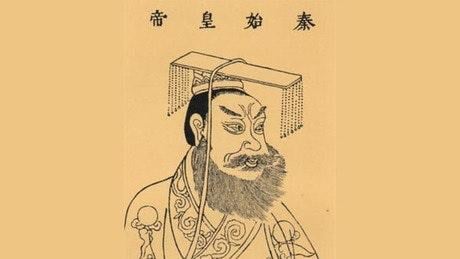
中國古代歷史與人物--秦始皇 (Coursera)

中國古代歷史與人物--秦始皇 (Coursera)

本課程是作為歷史入門通識而設計,重點在於藉由歷史教育啟發同學的思維,而非背誦歷史知識。具體的課程目標,是為了讓修課同學感到: (一)有趣:重新發現學習歷史的樂趣。 (二)有用:重新認識學習歷史的價值。

Class Deals by MOOC List - Click here and see Coursera's Active Discounts, Deals, and Promo Codes.

在近代以前,歷史學是培養各種領袖與人才的必備教育,因為它能夠使人對過去「稽其興壞成敗之理」(《史記‧太史公自序》)。「中國古代歷史與人物」這門課程希望回到歷史學的原點,藉由具體的事例,來探索「讀歷史到底有什麼用?」。
從東周到秦漢是中國歷史上承先啟後的鉅變時期,更是一個英雄輩出、波瀾壯闊的大時代。而秦始皇正是主導這個時代,且令後世爭議不絕的歷史關鍵人物之一。本課程將利用現代歷史學的各種取徑,以原典史料為中心,結合考古成果、古代文物等,對歷史人物進行多角度的剖析,探索秦始皇及其統治集團成功和失敗的祕密究竟何在,並希望使同學藉此明瞭歷史學的功用與價值。

Syllabus

WEEK 1
前言 Introduction
這門課的原始動機,就是希望打破歷史思維有「標準答案」這種想法,希望同學在上這門課後,都能打破思想的框框,解放各位的思辨能力。在這門課裡,會藉由歷史案例,來向各位示範學習歷史可以如何思維;但希望同學壹定要記得,不要把老師的答案當成是「標準答案」。人文學的本質是思辨,思辨有「好」和「更好」的答案,但根本沒有「標準答案」。

WEEK 2
孔林與始皇陵 The Cemetery of Confucius and Emperor Qin
在本模塊中,我們將介紹中國歷史上的兩個重要人物孔子和秦始皇留下的遺產——孔林與秦始皇陵。從孔林與秦始皇陵出發,圍繞這兩個人物探討什麼是成功,什麼是失敗這一主題。在本模塊結束之前,你將要完成一份有趣的同伴互評作業。

WEEK 3
秦始皇的一生,歷史文獻中的秦始皇(一)The Life of Qin Shi Huang, and Qin Shi Huang in Historical Texts Part I
《史記 秦始皇本紀》是目前我們所知古文獻裏面對秦始皇一生描寫最全面也是最詳細的一篇文章,也是所有秦始皇傳記的基礎。在本模塊中,我們將通過學習這一歷史文獻來了解秦始皇的一生,並進一步了解秦軍百戰百勝的歷史條件和秘密。

WEEK 4
秦始皇的一生,歷史文獻中的秦始皇(二)The Life of Qin Shi Huang, and Qin Shi Huang in Historical Texts Part II
本模塊將繼續學習秦始皇的後半生,在他一統天下後的幾年裏,他的施政方針以及自我評價。最後,我們將探尋秦始皇的失敗究竟從何而來,秦國終究走向了滅亡的原因。

WEEK 5
始皇的子孫 Emperor Qin's Descendants
在本模塊中,我們將學習秦始皇的子孫繼位後,如何處理當前局面與政務以及最後他們的悲慘結局。

WEEK 6
始皇的祖先-秦的興亡傳奇(上)Emperor Qin's Ancestors: The Rise and Fall of the Qin Dynasty Part I
在本模塊中,我們將了解秦始皇的祖先們,也就是秦國的歷代統治者,學習秦國這一段漫長而跌宕起伏的興亡故事。與此同時,我們還將進一步探索秦國人的本性,以及它是如何決定秦以及其他部族的命運的。

WEEK 7
始皇的祖先-秦的興亡傳奇 (下)Emperor Qin's Ancestors: The Rise and Fall of the Qin Dynasty Part II
在本模塊中,我們將繼續講述秦的興亡傳奇的下半部分。其中包括繆公過世之後秦國迎來第壹次巨大的衰落重挫,“三家分晉”事件,以及改變秦國甚至中國運勢的商鞅等重要的歷史時刻。這段故事將一一為妳呈現秦國如何抓住時機從壹個弱小的國家成為統壹六國的強國,然後在幾十年間滅亡的興亡過程。

WEEK 8
始皇的臣子:李斯與秦的滅亡 Emperor Qin's Assistant Minister Li Si and The Fall of Qin
在本模塊中我們將開始討論始皇的臣子中最重要的一個人——李斯。李斯在歷史上占有重要地位,並且與秦國的滅亡又密切關系。我們將從《史記》的《李斯列傳》著手,解讀李斯以及他的故事給我們後人留下的思考。

WEEK 9
後人如何看始皇:漢代畫像石中的秦始皇 Emperor Qin's Portraits in the Han-dynasty Art
歡迎來到本課程的最後一個模塊。本模塊將牽涉到漢代人是如何形塑秦始皇的歷史形象的。通過這一模塊的講解,你將對秦始皇有更形象的了解,更加接近歷史。

Go to Class
MOOC List is learner-supported. When you buy through links on our site, we may earn an affiliate commission.

Related Courses

The Emergence of the Modern Middle East - Part I (Coursera) Coursera
Tel Aviv University

The Emergence of the Modern Middle East - Part I (Coursera)

This course will review the emergence of the modern Middle East from the fall of the Ottoman Empire, at the end of the First World War to the present. We will discuss the Ottoman legacy in the region and the Western imperial impact on the creation of the Arab state system. The course will review the rise and retreat of Arab nationalism, the problems of internal cohesion of the Arab states, issues of religion and state, and the evolution of Islamist politics. We will also focus on the evolution of the Arab-Israeli conflict and its impact on the region and will conclude with an in depth analysis of the “Arab Spring” by placing these contemporary revolutionary events in their historical context.

Jun 1st 2026
4 Weeks
Introduction to Archaeology: Knowing The Past (Coursera) Coursera
Rice University

Introduction to Archaeology: Knowing The Past (Coursera)

This course is an introduction to a series on the discipline of Archaeology. It is intended for learners at all stages, including advanced high school, college students, or life-long learners. Basic information about Archaeology and its history are presented in this course, while the following three courses cover scientific methods, forms of interpretation, and contemporary social issues that archaeologists engage with.

Jun 8th 2026
4 Weeks
Understanding China, 1700-2000: A Data Analytic Approach, Part 1 (Coursera) Coursera
The Hong Kong University of Science and Technology - HKUST

Understanding China, 1700-2000: A Data Analytic Approach, Part 1 (Coursera)

The purpose of this course is to summarize new directions in Chinese history and social science produced by the creation and analysis of big historical datasets based on newly opened Chinese archival holdings, and to organize this knowledge in a framework that encourages learning about China in comparative perspective. Our course demonstrates how a new scholarship of discovery is redefining what is singular about modern China and modern Chinese history.

Jun 8th 2026
5-12 Weeks
Seeing Through Photographs (Coursera) Coursera
The Museum of Modern Art

Seeing Through Photographs (Coursera)

Although taking, sharing, and viewing photographs has become second nature for many of us, our regular engagement with images does not necessarily make us visually literate. This course aims to address the gap between seeing and truly understanding photographs by introducing a diversity of ideas, approaches, and technologies that inform their making. In this course you will look closely at 100 photographs from the collection of The Museum of Modern Art, going behind the scenes of the Museum and into artist studios through original films and audio interviews.

Jun 1st 2026
5-12 Weeks
The Bible's Prehistory, Purpose, and Political Future (Coursera) Coursera
Emory University

The Bible's Prehistory, Purpose, and Political Future (Coursera)

With its walls razed to ground by Babylon’s armies, Jerusalem joined a long line of ancient vanquished cities—from Ur and Nineveh and Persepolis to Babylon itself. While some recovered from the destruction, others did not. But none responded to political catastrophe by fashioning the kind of elaborate and enduring monument to their own downfall that we find in the Bible. Most conquered populations viewed their subjugation as a source of shame. They consigned it to oblivion, opting instead to extol the golden ages of the past. The biblical authors in contrast reacted to loss by composing extensive writings that acknowledge collective failure, reflect deeply upon its causes, and discover thereby a ground for collective hope.

Jun 1st 2026
5-12 Weeks
Coexistence in Medieval Spain: Jews, Christians, and Muslims (Coursera) Coursera
University of Colorado System

Coexistence in Medieval Spain: Jews, Christians, and Muslims (Coursera)

This course explores Jewish, Christian, and Muslim intercultural relations in Iberia from the Visigothic era (6th century CE) until the creation of Queen Isabel I and King Ferdinand II Catholic Spain (late 15th century). We evaluate the many identities of the peninsula known as Christian Hispania, Jewish Sefarad, and Islamic al-Andalus. We trace the origins and trajectory of conflict between these communities (the Muslim conquest of Spain, Christian Reconquista, prohibitions blocking intermixing of peoples, and expulsions).

Jun 8th 2026
5-12 Weeks