UFOs: Scanning the Skies Teach-Out (Coursera)

UFOs: Scanning the Skies Teach-Out (Coursera)

People across the world are gripped by the history of UFOs and the stories told by those who have witnessed them. Following the release of the U.S. Pentagon report on unidentified flying objects, there has been a surge of interest. In this Teach-Out, learners will hear from multidisciplinary experts about possible explanations for phenomena, what makes a UFO report compelling, and the position of UFOs within the larger conversation of science and culture.

Class Deals by MOOC List - Click here and see Coursera's Active Discounts, Deals, and Promo Codes.

Syllabus

WEEK 1
Welcome to the UFOs Teach-Out
Welcome to the Teach-Out on UFOs: Scanning the Skies Teach-Out!

Go to Class
MOOC List is learner-supported. When you buy through links on our site, we may earn an affiliate commission.

Related Courses

Experiments and Variations in Bipedalism (Coursera) Coursera
Dartmouth College

Experiments and Variations in Bipedalism (Coursera)

This course will help you learn how fossils give us an insight into how the early members of our lineage walked bipedally. The four million years old bone of Australopithecus anamensis is the oldest undisputed evidence for bipedalism in our lineage. Similarly, Lucy’s, who was Australopithecus afarensis, fossil also helped scientists discover a lot about how bipedalism evolved over time.

Sep 21st 2026
4 Weeks
Advanced Neurobiology I (Coursera) Coursera
Peking University

Advanced Neurobiology I (Coursera)

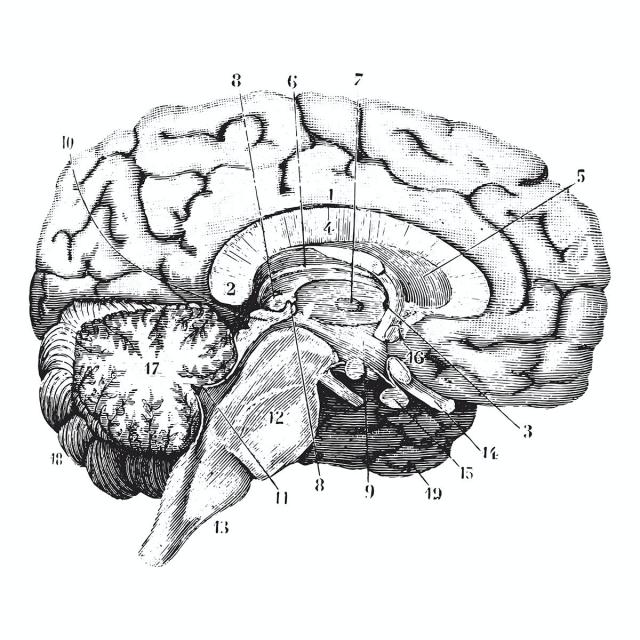
Hello everyone! Welcome to advanced neurobiology! Neuroscience is a wonderful branch of science on how our brain perceives the external world, how our brain thinks, how our brain responds to the outside of the world, and how during disease or aging the neuronal connections deteriorate. We’re trying to understand the molecular, cellular nature and the circuitry arrangement of how nervous system works.

Sep 21st 2026
5-12 Weeks
Bioinformatics: Introduction and Methods 生物信息学: 导论与方法 (Coursera) Coursera
Peking University

Bioinformatics: Introduction and Methods 生物信息学: 导论与方法 (Coursera)

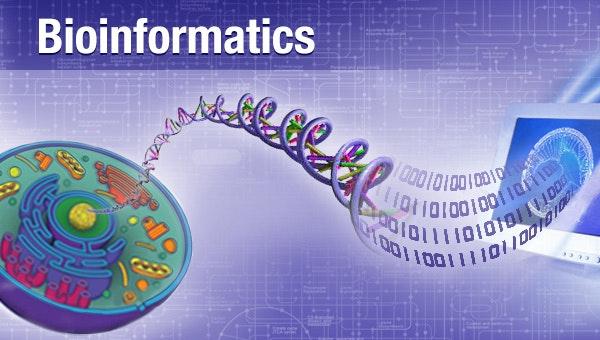
A big welcome to “Bioinformatics: Introduction and Methods” from Peking University! In this MOOC you will become familiar with the concepts and computational methods in the exciting interdisciplinary field of bioinformatics and their applications in biology, the knowledge and skills in bioinformatics you acquired will help you in your future study and research.

Sep 14th 2026
13-24 Weeks
Introduction to Systems Biology (Coursera) Coursera
Icahn School of Medicine at Mount Sinai

Introduction to Systems Biology (Coursera)

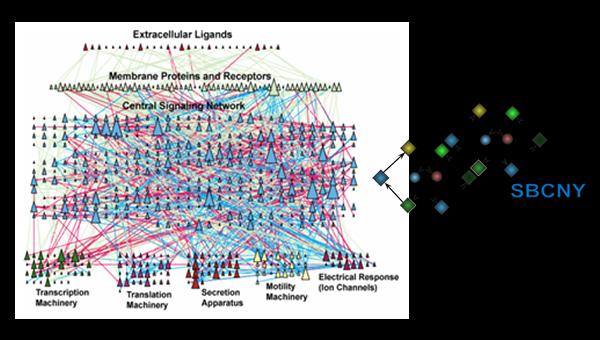
This course will introduce the student to contemporary Systems Biology focused on mammalian cells, their constituents and their functions. Biology is moving from molecular to modular. As our knowledge of our genome and gene expression deepens and we develop lists of molecules (proteins, lipids, ions) involved in cellular processes, we need to understand how these molecules interact with each other to form modules that act as discrete functional systems.

Oct 5th 2026
5-12 Weeks
Philosophy, Science and Religion: Science and Philosophy (Coursera) Coursera
University of Edinburgh

Philosophy, Science and Religion: Science and Philosophy (Coursera)

Philosophy, Science and Religion mark three of the most fundamental modes of thinking about the world and our place in it. Are these modes incompatible? Put another way: is the intellectually responsible thing to do to ‘pick sides’ and identify with one of these approaches at the exclusion of others? Or, are they complementary or mutually supportive? As is typical of questions of such magnitude, the devil is in the details. For example, it is important to work out what is really distinctive about each of these ways of inquiring about the world. In order to gain some clarity here, we’ll be investigating what some of the current leading thinkers in philosophy, science and religion are actually doing.

Sep 14th 2026
5-12 Weeks
Philosophy of Science (Coursera) Coursera
University of Pennsylvania

Philosophy of Science (Coursera)

For the last four centuries, scientists have aimed to provide us with an understanding of the world around us. By all appearances, science has made substantial progress during this time. But is this progress real or illusory? And if it is real, how has this progress been made? This four-week course will consider these important questions.

Oct 5th 2026
4 Weeks
Science and Technology in the Silla Cultural Heritage (Coursera) Coursera
Pohang University of Science and Technology - POSTECH

Science and Technology in the Silla Cultural Heritage (Coursera)

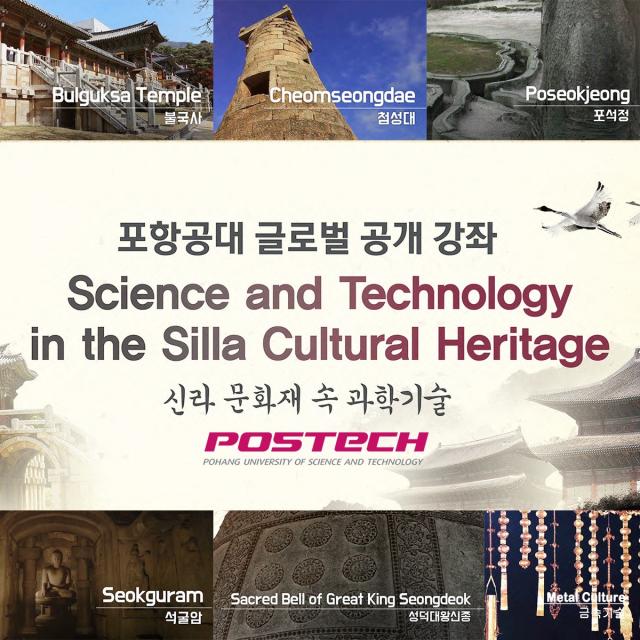
Science and Technology in the Silla Heritage. The course explores the scientific and technological aspects of the cultural heritage of Silla, an ancient dynasty in Korea, and its relationship with other ancient civilizations in the world. The lecture series will cover major cultural heritage of Silla: Bulguksa, Seokguram, Cheomseongdae, Poseokjeong, the Sacred Bell of Great King Seongdeok, and metallurgy.

Sep 21st 2026
5-12 Weeks
Introduction to Forensic Science (Coursera) Coursera
Nanyang Technological University

Introduction to Forensic Science (Coursera)

We have all seen forensic scientists in TV shows, but how do they really work? What is the science behind their work? The course aims to explain the scientific principles and techniques behind the work of forensic scientists and will be illustrated with numerous case studies from Singapore and around the world.

Aug 24th 2026
5-12 Weeks
Analyzing the Universe (Coursera) Coursera
Rutgers University

Analyzing the Universe (Coursera)

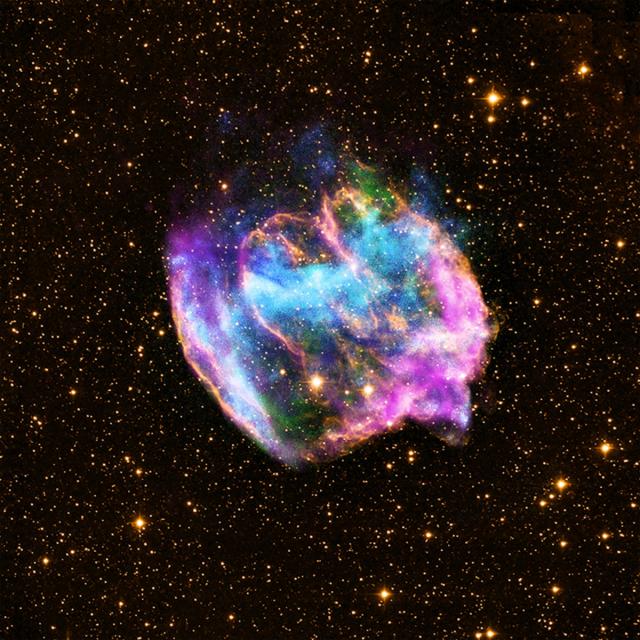
Using publicly available data from NASA of actual satellite observations of astronomical x-ray sources, we explore some of the mysteries of the cosmos, including neutron stars, black holes, quasars and supernovae. We will analyze energy spectra and time series data to understand how these incredible objects work. We utilize an imaging tool called DS9 to explore the amazing diversity of astronomical observations that have made x-ray astronomy one of the most active and exciting fields of scientific investigation in the past 50 years.

Sep 28th 2026
5-12 Weeks
The History of Medicine: Philosophy, Science, and Psychology (Coursera) Coursera
University of California, Santa Cruz

The History of Medicine: Philosophy, Science, and Psychology (Coursera)

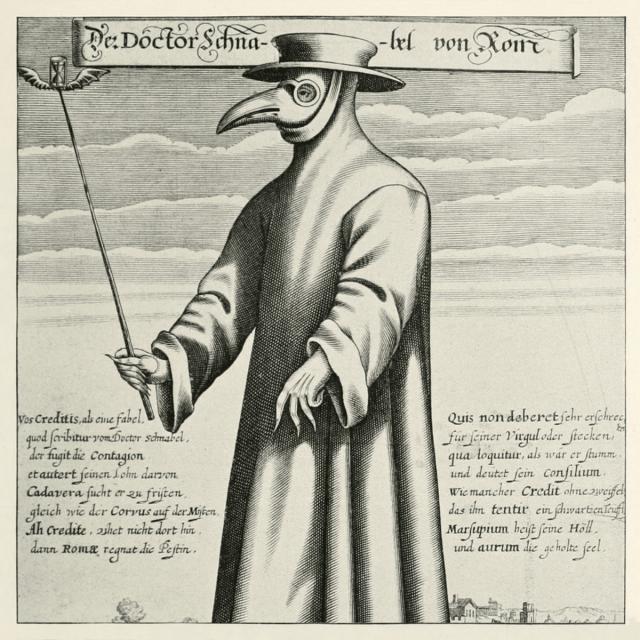
"History of Medicine" provides an accessible historical and interdisciplinary perspective on medicine, focused primarily upon therapy and practice, to achieve better understanding of the scope, practice, and limits of medicine. Medicine is defined as the treatment of disease. Human attempts to understand and treat disease will be seen as evolving from the spiritual and mystical practices of the distant past, to the rational approach of the Classical World, and finally to the scientific thinking of the Renaissance and beyond.

Sep 28th 2026
5-12 Weeks
The Science of Stem Cells (Coursera) Coursera
American Museum of Natural History

The Science of Stem Cells (Coursera)

What promise do stem cells hold for the treatment of medical conditions? In this five-part online course you will explore the history and basic biology of stem cells, learn about new research techniques, and find out how stem cells could lead to cures for diseases and to individualized medicine.

Oct 5th 2026
5-12 Weeks