This course provides comprehensive training in regression analysis and forecasting techniques for data science, emphasizing Python programming. You will master time-series analysis, forecasting, linear regression, and data preprocessing, enabling you to make data-driven decisions across industries.
Class Deals by MOOC List - Click here and see Coursera's Active Discounts, Deals, and Promo Codes.
Learning Objectives:
• Develop expertise in time series analysis, forecasting, and linear regression.
• Gain proficiency in Python programming for data analysis and modeling.
• Analyze the techniques for exploratory data analysis, trend identification, and seasonality
handling.
• Figure out various time-series models and implement them using Python.
• Prepare and preprocess data for accurate linear regression modeling.
• Predict and interpret linear regression models for informed decision-making.
There are Four Modules in this Course:
Module 1: Time-Series Analysis and Forecasting
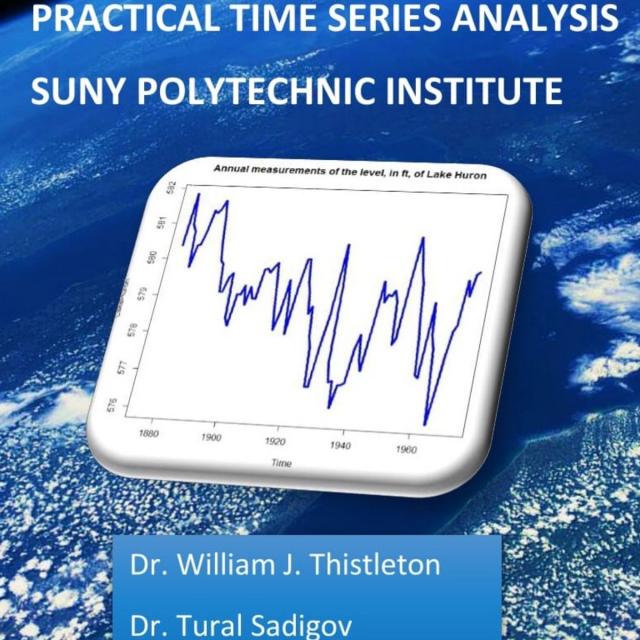
Module description: The Time-Series Analysis and Forecasting module provides a comprehensive exploration of techniques to extract insights and predict trends from sequential data. You will master fundamental concepts such as trend identification, seasonality, and model selection. With hands-on experience in leading software, they will learn to build, validate, and interpret forecasting models. By delving into real-world case studies and ethical considerations, participants will be equipped to make strategic decisions across industries using the power of time-series analysis. This module is a valuable asset for professionals seeking to harness the potential of temporal data. You will develop expertise in time series analysis and forecasting. Discover techniques for exploratory data analysis, time series decomposition, trend analysis, and handling seasonality. Acquire the skill to differentiate between different types of patterns and understand their implications in forecasting.
Module 2: Time-Series Models
Module description: Time-series models are powerful tools designed to uncover patterns and predict future trends within sequential data. By analyzing historical patterns, trends, and seasonal variations, these models provide insights into data behavior over time. Utilizing methods like ARIMA, exponential smoothing, and state-space models, they enable accurate forecasting, empowering decision-makers across various fields to make informed choices based on data-driven predictions. You will acquire the ability to build forecasting models for future predictions based on historical data. Discover various forecasting methods, such as ARIMA models and seasonal forecasting techniques, and implement them using Python programming. Develop the ability to formulate customized time-series forecasting strategies based on data characteristics.
Module 3: Linear Regression - Data Preprocessing
Module description: The Linear Regression - Data Preprocessing module is a fundamental course that equips participants with essential skills for preparing and optimizing data before applying linear regression techniques. Through hands-on learning, participants will understand the importance of data quality, addressing missing values, outlier detection, and feature scaling. You will learn how to transform raw data into a clean, normalized format by delving into real-world datasets, ensuring accurate and reliable linear regression model outcomes. This module is crucial to building strong foundational knowledge in predictive modeling and data analysis. You will gain insights into various regression techniques such as linear regression, polynomial regression, and logistic regression, and their implementation using Python programming. Identify missing data and outliers within datasets and implement appropriate strategies to handle them effectively. Recognize the significance of feature scaling and selection and learn how to apply techniques such as standardization and normalization to improve model convergence and interpretability.
Module 4: Linear Regression - Model Creation
Module description: The Linear Regression - Model Creation module offers a comprehensive understanding of building predictive models through linear regression techniques. You will learn to choose and engineer relevant features, apply regression algorithms, and interpret model coefficients. By exploring real-world case studies, you will gain insights into model performance evaluation and acquire how to fine-tune parameters for optimal results. This module empowers you to create robust linear regression models for data-driven decision-making in diverse fields. You will understand how to identify and select relevant features from datasets for inclusion in linear regression models. Acquire the skills to interpret model coefficients, recognize their significance, and deliver the implications of these coefficients to non-technical stakeholders. Discover how to fine-tune model parameters, and regularization techniques, and perform cross-validation to enhance model generalization.
Target Learner:
This course is designed for aspiring data scientists, analysts, and professionals seeking to enhance their skills in regression analysis, forecasting, and Python programming. It is suitable for those looking to harness the power of temporal data and predictive modeling in their careers.
Learner Prerequisites:
• Basic knowledge of Python programming.
• Familiarity with fundamental data analysis concepts.
• Understanding statistical concepts is beneficial but not mandatory.
Reference Files: You will have access to code files in the Resources section and lab files in the Lab Manager section.
What you'll learn
- Develop expertise in time series analysis, forecasting, and linear regression
- Analyze techniques for exploratory data analysis, trend identification
- Understand various time-series models and implement them using Python
- Prepare and preprocess data for accurate linear regression modeling
- Build and interpret linear regression models for informed decision-making
Syllabus
Time-Series Analysis and Forecasting
The Time-Series Analysis and Forecasting module provides a comprehensive exploration of techniques to extract insights and predict trends from sequential data. You will master fundamental concepts such as trend identification, seasonality, and model selection. With hands-on experience in leading software, you will learn to build, validate, and interpret forecasting models. By delving into real-world case studies and ethical considerations, you will be equipped to make strategic decisions across industries using the power of time-series analysis. This module is a valuable asset for professionals seeking to harness the potential of temporal data. You will develop expertise in time series analysis and forecasting. Discover techniques for exploratory data analysis, time series decomposition, trend analysis, and handling seasonality. Acquire the skill to differentiate between different types of patterns and understand their implications in forecasting.
Time-Series Models
Time-series models are powerful tools designed to uncover patterns and predict future trends within sequential data. By analyzing historical patterns, trends, and seasonal variations, these models provide insights into data behavior over time. Utilizing methods like ARIMA, exponential smoothing, and state-space models, they enable accurate forecasting, empowering decision-makers across various fields to make informed choices based on data-driven predictions.
Linear Regression - Data Preprocessing
The Linear Regression: Data Preprocessing module is a fundamental course that equips you with essential skills for preparing and optimizing data before applying linear regression techniques. Hands-on learning will teach you the importance of data quality, addressing missing values, outlier detection, and feature scaling. You will learn how to transform raw data into a clean, normalized format by delving into real-world datasets, ensuring accurate and reliable linear regression model outcomes. This module is crucial to building strong foundational knowledge in predictive modeling and data analysis.
Linear Regression - Model Creation
The Linear Regression - Model Creation module offers a comprehensive understanding of building predictive models through linear regression techniques. You will learn to select and engineer relevant features, apply regression algorithms, and interpret model coefficients. By exploring real-world case studies, you will gain insights into model performance evaluation and learn how to fine-tune parameters for optimal results. This module empowers you to create robust linear regression models for data-driven decision-making in diverse fields.