Preventing the Zika Virus: Understanding and Controlling the Aedes Mosquito (FutureLearn)

Preventing the Zika Virus: Understanding and Controlling the Aedes Mosquito (FutureLearn)

Discover the science behind the Zika outbreak to understand how it is spread and can be controlled. The Zika virus is suspected to be the cause of cases of microcephaly in newborns in South America, and this outbreak has now been declared a Public Health Emergency of International Concern by the World Health Organization. With global attention towards this disease increasing rapidly, it is becoming clear that there is limited knowledge around how the carriers, or vectors, of Zika, are best avoided and controlled.

Class Deals by MOOC List - Click here and see FutureLearn's Active Discounts, Deals, and Promo Codes.

Focus on the Zika virus
This free online course will begin by considering the science behind the outbreak to try to understand where the Zika virus has come from, its symptoms, and its effect on infected individuals. Our attention will then turn towards the vector primarily responsible for transmission of Zika: the Aedes mosquito.

Explore the biology of Aedes mosquitoes
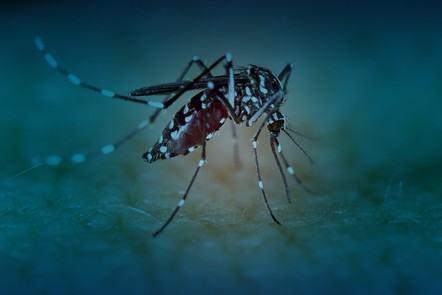
We will introduce the Aedes mosquito and examine its lifecycle, behaviour, and distribution across the world, before reflecting upon the important role it plays in spreading Zika virus. Without a vaccine, prevention and control relies on reducing numbers of mosquitoes and the contact they have with people, so an understanding of the biology of Aedes is vital.

Discover vector control methods
A range of methods employed to control the Aedes mosquito will be highlighted, including the use, importance, and suitability of repellents, impregnated clothing, larval control, insecticide spraying, and insecticide treated nets. The vectors of Zika virus also transmit dengue, yellow fever and the chikungunya virus, meaning there is potential to apply these techniques in other settings.

Learn together and from those on the front line in South America
Learners will come from all over the world with their own diverse experiences and interests. You will have the opportunity to exchange thoughts and ideas through course discussion, and hear first-hand accounts from experts and individuals working in the field in South America. Contributors include:

  • Dr Mary Cameron, Reader in Medical Entomology
  • Dr Jo Lines, Reader of Malaria Control and Vector Biology
  • Professor Laura Rodrigues, Professor of Infectious Disease Epidemiology and working with the Microcephaly Epidemic Research Group in Brazil
  • Professor Jimmy Whitworth, Professor of International Public Health.

What topics will you cover?

  • The origins and history of the Zika virus and 2015/16 outbreak, including an introduction to vector transmission
  • Symptoms, diagnosis, and treatment of Zika virus disease
  • Zika in the context of other vector-borne diseases globally and the world’s ability to prepare for epidemics
  • The Aedes mosquito and its lifecycle, behaviours, characteristics, and global distribution
  • The importance of counting and surveying mosquito populations
  • Vector control methods targeted towards immature and adult mosquitoes, in addition to the challenges faced and novel interventions
  • Current strategies for the control of Aedes and prevention of Zika
  • Areas in which future research and support efforts should be targeted.

Go to Class
MOOC List is learner-supported. When you buy through links on our site, we may earn an affiliate commission.

Related Courses

Using Infection Control to Combat Antimicrobial Resistance (FutureLearn) FutureLearn
University of East Anglia

Using Infection Control to Combat Antimicrobial Resistance (FutureLearn)

Find out how effective infection control in health and social care can tackle the global risk of antimicrobial resistance. Get practical guidance on infection control in health and social care settings. This online course will explore the growing problem of antimicrobial-resistant infections in health and social care settings. You’ll find out how infectious diseases are acquired and spread, and how this contributes to the global risk of antimicrobial resistance.

Self Paced
3 Weeks
Heart Health: A Beginner's Guide to Cardiovascular Disease (FutureLearn) FutureLearn
University of Reading

Heart Health: A Beginner's Guide to Cardiovascular Disease (FutureLearn)

Learn more about how your heart works, the causes of heart disease and how to keep your heart healthy with this free online course. Learn how to keep your heart healthy. Your heart beats around 100,000 times a day, pumping blood around your body to deliver oxygen and nutrients, while taking away waste products. When your heart is unhealthy, it can’t perform this vital task so effectively.

Self Paced
4 Weeks
Understanding Anxiety, Depression and CBT (FutureLearn) FutureLearn
University of Reading

Understanding Anxiety, Depression and CBT (FutureLearn)

Improve your understanding of depression and anxiety and find out more about an effective and evidence-based treatment: CBT. Anxiety and depression are terms discussed widely, in different media and amongst family and friends. But what do those labels actually mean? On this five week course, from the University of Reading, you will explore what it means to have anxiety or depression and how they are identified.

Self Paced
5-12 Weeks
Challenges in Antibiotic Resistance: Point Prevalence Surveys (FutureLearn) FutureLearn
British Society for Antimicrobial Chemotherapy - BSAC

Challenges in Antibiotic Resistance: Point Prevalence Surveys (FutureLearn)

Learn how to use Point Prevalence Surveys (PPS) to measure antibiotic consumption and fight antimicrobial resistance. Point Prevalence Surveys (PPS) are an important tool for healthcare professionals to use to assess and improve antibiotic prescribing locally, nationally and globally. This online course - led by experts from the British Society for Antimicrobial Chemotherapy (BSAC) - looks at their use. You’ll discover the importance of measuring antibiotic consumption and how PPS can help.

Self Paced
2 Weeks
Quality Improvement in Healthcare: the Case for Change (FutureLearn) FutureLearn
University of Bath

Quality Improvement in Healthcare: the Case for Change (FutureLearn)

Explore new and better ways of organising health and social care services, to improve quality, with this free online course. Why is quality improvement in health and social care systems so difficult? Why is it so challenging to bring in new and better ways of organising health and social care services? Many reasons have been put forward: lack of money; lack of knowledge about either the actual quality of care delivered, or resistance to making changes to long-established ways of working; excessive and sometimes misunderstood regulations; and professional opinions and interests that are hard to influence when systems are working at or beyond capacity.

Self Paced
5-12 Weeks
Causes of Human Disease: Exploring Cancer and Genetic Disease (FutureLearn) FutureLearn
University of Leeds

Causes of Human Disease: Exploring Cancer and Genetic Disease (FutureLearn)

Explore how the unravelling of genetic code has led to a deeper understanding of genetic diseases and cancer. It’s widely known that some diseases run in families. The discovery of the structure of DNA and the unravelling of the genetic code has led to a deeper understanding of such diseases. We now know more about the genetic basis of cancer and how cancer cells are formed and reproduce. On this course you’ll explore the structure of DNA, its processes and learn how genetic disease results from DNA alterations.

Self Paced
2 Weeks
Health and Wellbeing in the Ancient World (FutureLearn) FutureLearn
The Open University

Health and Wellbeing in the Ancient World (FutureLearn)

Use literary and archaeological evidence to see how ancient Greeks and Romans approached health, well-being and societal issues. What did being healthy in ancient Rome or Greece look like? How can we tell what well-being meant in ancient times? This online course will help you investigate these questions, using both literary and archaeological evidence, to uncover details of real life in ancient societies.

Self Paced
5-12 Weeks
Achieving Sustainable Development (FutureLearn) FutureLearn
Trinity College Dublin

Achieving Sustainable Development (FutureLearn)

Explore the challenges of sustainable development. See the impact of UN Sustainable Development Goals on real people. Consider the impact that UN Sustainable Development Goals could have. Governments of the world have signed up to the Sustainable Development Goals (SDGs), a UN initiative for international development. They are targets for improving the world by 2030, including: health, environment, education, and security. But will they have an impact on the lives of people?

Self Paced
4 Weeks
Nutrition and Disease Prevention (FutureLearn) FutureLearn
Taipei Medical University

Nutrition and Disease Prevention (FutureLearn)

Learn about the relationship between diet and disease and discover the role a nutrient-rich diet can play in disease prevention. Understand how good nutrition can prevent disease. Diet-related diseases and obesity levels are rising. On this course you will explore the relationship between diet and disease and the role diet plays in weight management. You will examine the latest research studies to consider how poor nutrition can lead to ill health, and whether what we eat can help to prevent the onset of common diseases, such as cancer.

Self Paced
4 Weeks
Improving Health Assessments for People with an Intellectual Disability (FutureLearn) FutureLearn
Trinity College Dublin,EIT Health

Improving Health Assessments for People with an Intellectual Disability (FutureLearn)

Learn how to improve healthcare for people with intellectual disabilities with this course for healthcare professionals. Detecting poor health and supporting people with an intellectual disability in managing their health can be challenging for healthcare professionals. During this course, you will gain valuable knowledge that you can transfer into your daily practice on how to include people with an intellectual disability in health assessments.

Self Paced
3 Weeks
Managing Change in a Healthcare Environment (FutureLearn) FutureLearn
University of East Anglia

Managing Change in a Healthcare Environment (FutureLearn)

Understand why change happens in healthcare environments and learn how to improve your response. In rapidly changing world, with new healthcare roles emerging and the complexity of care increasing, being able to respond to change is vital. On this course for healthcare professionals, you will explore the issue of change in healthcare environments, and learn how to improve your response to change.

Self Paced
3 Weeks