EdX

Introduction to Music Theory (edX)

Introduction to Music Theory (edX)

Learn key concepts and approaches needed to understand, create, and perform contemporary music. Do you have a passion for music and want to learn more about how it works? Are you a musician who learned by ear and has no formal training? Would you like to study music but are unsure of where to begin? Then this music theory course is for you.

Class Deals by MOOC List - Click here and see EdX's Active Discounts, Deals, and Promo Codes.

This course includes six lessons that will give you the knowledge and skills you need to understand basic music theory. You’ll learn from Berklee College of Music professor George W. Russell, Jr. and from Berklee students who share their musical journey and offer advice for those wanting to study music. Above all, the course is designed to impart the joy of creating music and sharing it with others.

What you'll learn:

  • How to construct major and minor scales
  • How to identify, analyze, and sing intervals
  • How to identify the tonal center of a song
  • How to build basic major, minor, and dominant seventh chords
  • How to create a common chord progression - the I IV V
  • How to recognize blues and AABA song forms

Syllabus

Lesson 1: Major Scale Defining Harmony, Ear Training, and Intervals Constructing and Singing the Major Scale Major 2nd and Major 3rd Intervals Finding the Tonal Center
Lesson 2: Major and Minor Triads Review from Lesson 1 Perfect 4th and Perfect 5th Intervals Building Major and Minor Triads The I IV V Chord Progression
Lesson 3: Pentatonic Scale Review from Lesson 2 Major 6th and Major 7th Intervals Building and Singing the Minor Pentatonic Scale
Lesson 4: Major and Dominant Seventh Chords Review from Lesson 3 Building Major and Dominant Seventh Chords Blues Progression
Lesson 5: Song Form Review from Lesson 4 7-3-5 Chord Voicings 4/4 and 3/4 Time Signatures Blues and AABA Song Forms Chord Sheets
Lesson 6: Review Review of All Material Composing a Blues Riff Tune Using the Minor Pentatonic Scaler and Dominant Seventh Chords
Go to Class
MOOC List is learner-supported. When you buy through links on our site, we may earn an affiliate commission.

Related Courses

Antropología de la Música: El Caso de las Músicas del Pacífico Colombiano (edX) EdX
The Pontificia Universidad Javeriana,JaverianaX

Antropología de la Música: El Caso de las Músicas del Pacífico Colombiano (edX)

Al tomar el curso aprenderás prácticas musicales de la región pacífica colombiana asociadas a su espiritualidad, territorio y política. Teniendo como eje central elementos metodológicos y conceptuales de la antropología simbólica. El curso aborda un tema que se mantiene vigente en la antropología de la música y la sociología de la cultura: la amplia gama de relaciones que se dan entre los hechos musicales y los grupos humanos que toman parte en ellas.

No sessions available
5-12 Weeks
Pro Tools Basics (Coursera) Coursera
Berklee College of Music

Pro Tools Basics (Coursera)

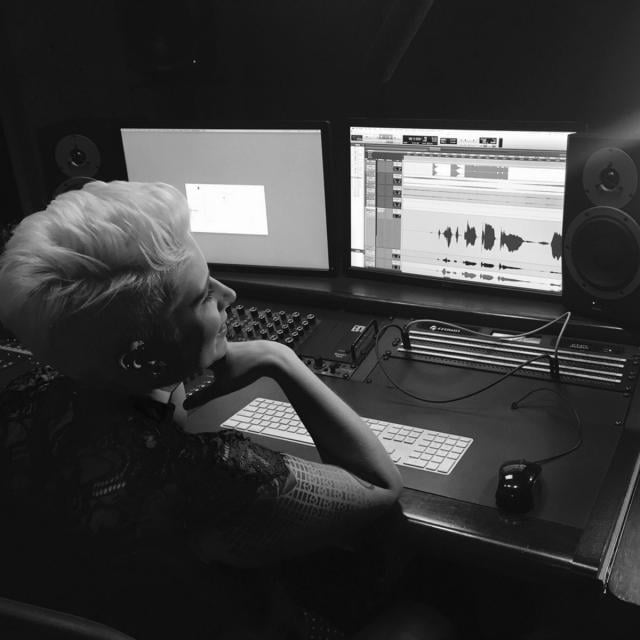
Producing music is an incredibly creative process, and knowing the tools of the trade is essential in order to transmit the musical ideas in your head into the DAW in a creative and uninhibited way. Whether you have used a computer to create music before, or you have been curious about production for years, this 4-week course will give you an introductory look into the world of Avid Pro Tools and Pro Tools First.

Dec 7th 2026
4 Weeks
Composición de canciones (Coursera) Coursera
Berklee College of Music,Inter-American Development Bank - IDB

Composición de canciones (Coursera)

Aprende un proceso eficiente y efectivo para escribir canciones que expresen tus ideas y emociones, incluyendo una gama de herramientas que giren alrededor del concepto de prosodia; la adecuación de letra y música para apoyar tu mensaje subyacente.

Dec 7th 2026
5-12 Weeks
Vocal Recording Technology (edX) EdX
Berklee College of Music,BerkleeX

Vocal Recording Technology (edX)

Explore emerging innovations in vocal production, audio engineering, recording, and mixing. We are in the midst of an explosion of musical creativity as a result of technologies that allow you to record music using your laptop or tablet. Whether you are a singer, music producer, audio engineer, or just someone that likes to make good music with vocals, it is essential to have an understanding of vocal technologies for music production.

Self Paced
Self-Paced
World Music: Global Rhythms (edX) EdX
MIT,MITx

World Music: Global Rhythms (edX)

Learn to recognize, feel and play rhythms from around the world. In this course, you’ll be learning about musical rhythm from across the world. You don’t have to read music notation to take this course; you don’t have to play an instrument. You don’t need to know any special musical terminology or theory to begin; You will learn all the concepts you need as we go… and the terminology and how it varies across the world.

Self Paced
Self-Paced
Music For Wellness (edX) EdX
Berklee College of Music,BerkleeX

Music For Wellness (edX)

Learn how music can help reduce stress and improve your health, and well-being. You love music. You listen to music all the time. Maybe you sing, play an instrument, or compose music. You don’t need to have musical talent to use music to enhance your well being, and even your health.

Self Paced
Self-Paced
Creativity & Entrepreneurship (edX) EdX
Berklee College of Music,BerkleeX

Creativity & Entrepreneurship (edX)

Learn skills and listen to examples from world-renown entrepreneurs and innovators as they discuss the parallels between the creative and entrepreneurial journeys -- and why entrepreneurship, much like music or creativity, is something we all possess. Creativity & Entrepreneurship will help you tap into your inner creativity and learn how to leverage it for career development or business innovation.

Self Paced
Self-Paced
First Nights: Monteverdi’s L’Orfeo and the Birth of Opera (edX) EdX
HarvardX,Harvard University

First Nights: Monteverdi’s L’Orfeo and the Birth of Opera (edX)

Learn about Claudio Monteverdi’s L’Orfeo, one of the first operas ever written. Claudio Monteverdi’s L’Orfeo premiered in Mantua in 1607, and continues to be regarded as one of the most important examples of early opera. With L’Orfeo, Monteverdi helped to establish the techniques and traditions that continue to inform the genre of opera to this day.

Self Paced
Self-Paced