NAU

A Higiene da Pessoa Idosa (NAU)

Offered by Prime Senior,
A Higiene da Pessoa Idosa (NAU)

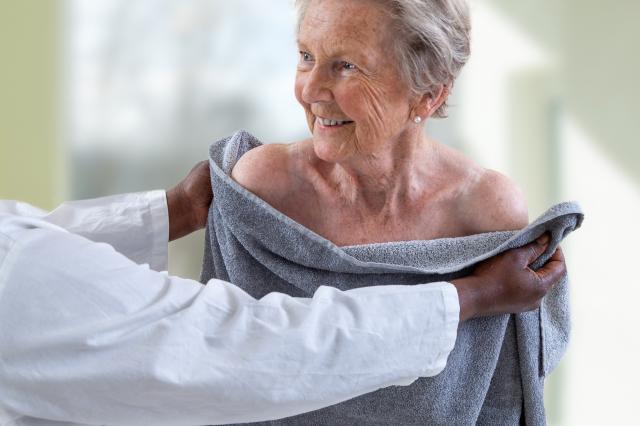
O curso A Higiene da Pessoa Idosa vai abordar boas práticas sobre a forma mais eficaz de realizar a higiene de uma pessoa, independentemente do seu grau de dependência. A Higiene da Pessoa Idosa é importante na saúde, conforto e qualidade de vida. Pretendemos dar-lhe boas práticas, conselhos e novas ferramentas a colocar em prática durante os cuidados. Prevê-se que num futuro muito próximo Portugal seja um país envelhecido. O envelhecimento não seria preocupação, se na maioria dos casos, o mesmo não fosse acompanhado por algum grau de dependência.

As pessoas envelhecem e ficam mais frágeis, necessitando de ajuda para conseguirem satisfazer as suas necessidades básicas, logo é necessário que os cuidadores se preparem da melhor forma possível.

A Prime Senior irá acompanhar e responder às suas dúvidas durante e após o curso, porque sabemos que é durante a colocação dos conteúdos em prática que as dúvidas surgem.
Rentabilize o seu tempo e os recursos disponíveis em prol do bem-estar da pessoa que necessita dos seus cuidados.

Público-alvo
Cuidadores ou todos os interessados em aprender a cuidar de uma pessoa idosa.

Carga Horária
O Curso tem uma carga horária total de (cerca de) 10 horas, mas consoante o seu conhecimento poderá fazê-lo em menos tempo.

Objetivos de Aprendizagem
No final deste curso será capaz de:

  • Reconhecer que o meio envolvente pode interferir na realização de algumas atividades relacionadas com a higiene pessoal;
  • Adequar os cuidados de higiene pessoal às necessidades da pessoa que necessita deles;
  • Compreender que os idosos podem ter diversos graus de dependência;
  • Determinar o grau de dependência da pessoa idosa e prever possíveis riscos associados às tarefas a realizar;
  • Garantir que as necessidades de higiene são asseguradas;
  • Executar cuidados de higiene totais e parciais à pessoa idosa, conforme o seu grau de dependência.

Programa do curso

Após a realização deste curso vai ser capaz de:
Módulo 0: O curso e os participantes
Módulo 1: A pessoa idosa e os graus de dependência
Módulo 2: Cuidados de higiene parciais
Módulo 3: Cuidados de higiene totais
Módulo 4: Considerações finais
Módulo 5: Conclusão

Go to Class
MOOC List is learner-supported. When you buy through links on our site, we may earn an affiliate commission.

Related Courses

Ecosystems of California (Coursera) Coursera
University of California, Santa Cruz

Ecosystems of California (Coursera)

This course surveys the diversity, structure and functioning of California’s ecosystems through time and the ways they have influenced and responded to human activities and stewardship. Topics include ecosystem drivers such as climate, soils, and land use history; human and ecological prehistory of the state; comparative marine, freshwater, and terrestrial ecosystem dynamics; and managed ecosystems such as range, fisheries and agriculture in California.

Oct 5th 2026
5-12 Weeks
Essentials of Global Health (Coursera) Coursera
Yale University

Essentials of Global Health (Coursera)

Essentials of Global Health is a comprehensive introduction to global health. It is meant to introduce you to this topic in well-structured, clear and easy to understand ways. Much of the course will focus on five questions: What do people get sick, disabled and die from; Why do they suffer from these conditions? Which people are most affected? Why should we care about such concerns? What can be done to address key health issues, hopefully at least cost, as fast as possible, and in sustainable ways?

Oct 5th 2026
5-12 Weeks
Prevenir para não Cair: Guia de Exercícios (NAU) NAU
Instituto Politécnico de Lisboa

Prevenir para não Cair: Guia de Exercícios (NAU)

Fazer exercício faz bem! O curso Prevenir Para Não Cair vai ajudá-lo a manter a sua capacidade funcional e a prevenir quedas. Prevenir Para Não Cair é um curso onde vai encontrar muitos exercícios e conselhos, para que possa aprender a cuidar da sua saúde física e mental. As modificações relacionadas com o processo de envelhecimento incluem perda de força muscular, alterações de equilíbrio e mobilidade e declínio funcional, aumentando a probabilidade de ocorrência de quedas. Este curso fornece as orientações necessárias para que seja capaz de realizar os seus exercícios de prevenção de quedas de forma regular, e fornece, também, alguns conselhos médicos e de nutrição que o irão ajudar a manter-se ativo e mais saudável.

No sessions Available
Self-Paced
Epigenética no Desenvolvimento e Hereditariedade (NAU) NAU
Instituto Politécnico de Lisboa

Epigenética no Desenvolvimento e Hereditariedade (NAU)

Desenvolva conhecimento na área da epigenética direcionado para as alterações epigenéticas globais que ocorrem durante o desenvolvimento embrionário e alterações epigenéticas associadas à Hereditariedade Epigenética Transgeracional. O curso de Epigenética no Desenvolvimento e Hereditariedade pretende desenvolver e aprofundar o conhecimento na área da epigenética, anteriormente abordado no curso de Introdução à Epigenética.

Self Paced
Self-Paced
The Oral Cavity: Portal to Health and Disease (Coursera) Coursera
University of Pennsylvania

The Oral Cavity: Portal to Health and Disease (Coursera)

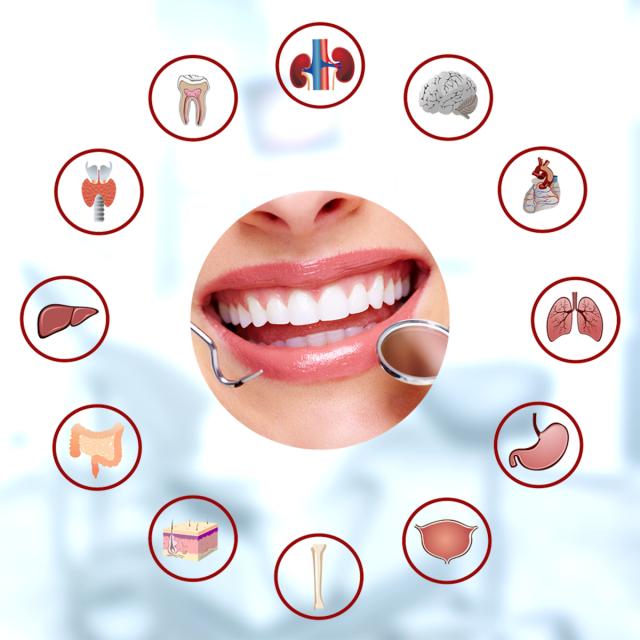
This course will focus on the interprofessional realtionship of dentistry and medicine. For each session, the medical specialist will present a broad overview of specific disease entity which will be followed by a dental educator discussing the relevant oral manifestations and implications. The final module of each session will be devoted to the interaction between the dental and other health care professionals.

Oct 5th 2026
5-12 Weeks
Communicating During Global Emergencies (Coursera) Coursera
Emory University

Communicating During Global Emergencies (Coursera)

In collaboration with the Rollins School of Public Health and the CDC's Division of Global Health Protection, Emergency Response, and Recovery Branch, this course introduces basic concepts and principles of communicating during a global crisis or emergency. It explores why communication during an emergency is different and the importance of adapting emergency messages to the needs of affected populations.

Oct 5th 2026
3 Weeks
Sustainable Food Production Through Livestock Health Management (Coursera) Coursera
University of Illinois at Urbana-Champaign

Sustainable Food Production Through Livestock Health Management (Coursera)

Learn about the impact of infectious disease on sustainable animal-based food production by understanding the science of growth, immunity, and infection and by learning the problem-solving skills needed to advance animal health and food production through optimal management practices. In this course we will explore the effect of infectious disease on sustainable animal-based food production. The content and learning outcomes of this new course will be designed to be relevant across different food production sectors (i.e., beef, dairy, poultry, and pigs).

Oct 5th 2026
5-12 Weeks
Autism Spectrum Disorder (Coursera) Coursera
University of California, Davis

Autism Spectrum Disorder (Coursera)

Understanding the characteristics of autism spectrum disorder (ASD) and their implications for behavior, learning and the ability to process information is critical for anyone working or interacting with those on the spectrum -- educators, clinicians, counselors, therapists, medical staff, family and employers. This course will give you a fundamental understanding of what ASD is, how it is diagnosed, the primary areas of impairment, and why prevalence is increasing.

Oct 5th 2026
5-12 Weeks
Psychological First Aid (Coursera) Coursera
Johns Hopkins University

Psychological First Aid (Coursera)

Learn to provide psychological first aid to people in an emergency by employing the RAPID model: Reflective listening, Assessment of needs, Prioritization, Intervention, and Disposition. Utilizing the RAPID model (Reflective listening, Assessment of needs, Prioritization, Intervention, and Disposition), this specialized course provides perspectives on injuries and trauma that are beyond those physical in nature. The RAPID model is readily applicable to public health settings, the workplace, the military, faith-based organizations, mass disaster venues, and even the demands of more commonplace critical events, e.g., dealing with the psychological aftermath of accidents, robberies, suicide, homicide, or community violence.

Oct 5th 2026
5-12 Weeks