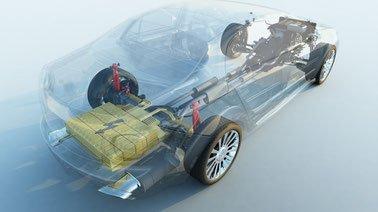
“Electric Vehicle Sensors” starts with a discussion on how electric vehicles work differently from gasoline or diesel fuel powered vehicles and the major types of electric vehicles. It then moves to the unique components of full electric and hybrid electric vehicles, and how in-vehicle and external battery charging systems work. We reference all the sensors that are used for in-vehicle and outside unique components. Then we do a deep dive into how each of these sensors work.
Class Deals by MOOC List - Click here and see Coursera's Active Discounts, Deals, and Promo Codes.
What You will Learn
· Understand traction motor, inverter, transmission and battery charging hardware
· Specify the correct sensor for an electric vehicle application
Syllabus
WEEK 1
How Electric Vehicles Work
In this module you will learn about the major categories of electric vehicles that have been developed so far
WEEK 2
Major Electrical Components
In this module you will learn about the major electrical components in electrical vehicles
WEEK 3
Battery Charging and Measurement
In this module you will learn about the battery chargers and modules and how high voltage and current is measured in these components
WEEK 4
Sensors Critical to EV Performance
In this module students will learn about the technology behind torque and speed sensors and thermistors