Disability and a Good Life: Thinking through Disability (FutureLearn)

Disability and a Good Life: Thinking through Disability (FutureLearn)

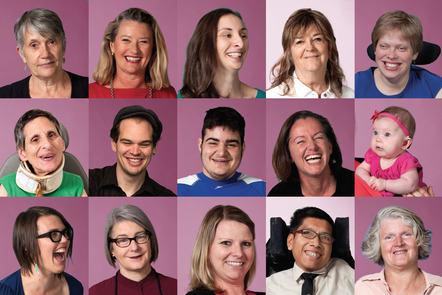
Learn how disability is part of who we are as human beings, and how a good life is possible for everyone. 20% of the global population has a disability, which means most of us will have an experience of disability in our lives, whether it be personally, through our family and friends, or in our workplaces and communities. But what is disability? It’s often assumed that people with disabilities can’t have a good life. But what is a good life?

Class Deals by MOOC List - Click here and see FutureLearn's Active Discounts, Deals, and Promo Codes.

In this course, and its sister course Working with Disability, we’ll reflect on how disability is part of who we are as human beings. These courses will give you and your fellow learners the opportunity to think through and work with some of the big issues facing societies, governments and disabled people.

Think through disability
We know that the way we think about and understand things shapes the way we act. In this course we’ll explore the ways disability is understood and challenge you to think about what it means to have a good life.
To begin, you will reflect on what a good life means for you and hear from other people with and without disabilities about their views on what a good life means for them. As you move through the topics, you will engage in thinking about and discussing contemporary disability issues such as disability politics, history and disability across the life course. At the end of the course we will challenge you to consider how a good life might be enabled for all.

Learn in a variety of ways
In this free online course, you can choose your pathway through the materials. Resources and strategies to support your learning include:

  • written, audio and visual resources (transcripts and audio descriptions/files provided)
  • stories from people with disabilities
  • interviews with leading disability studies experts
  • Talking Points to help guide online comments
  • a glossary of terms
  • a Learner Guide, Mel, who will show you how she has worked through the course material
  • an opportunity to take your learning further through activities to extend and expand your knowledge.

We encourage you to work through the course week-by-week in order to participate fully in the class discussions. However, once you enrol, materials will continue to be available to you after the course officially ends, so that you have the option to work at your own pace.
We also hope to hear from you. As we strive to improve the course and enable ease of access for all, we have multiple opportunities for you to provide feedback about the accessibility of the materials and the effectiveness of the course design.

Gain vital skills and knowledge
By the end of this course you will be able to:

  • identify how understandings of people with disabilities have changed over time
  • critically reflect on changing understandings of disability
  • identify core concepts in the social understanding of disability
  • appreciate the intersections between individual, social, political and cultural aspects of disability
  • understand what a good life might mean for a diversity of people, including people with disabilities.

Requirements

This course is suitable for both beginners and experts wanting to raise their awareness of disability and disability-related issues within a global context. It is appropriate for people with disabilities and their family members, friends and allies; professionals in the care and community service sectors; medical and allied health professionals; educators; built environment professionals; advocates and policy makers; scholars; and lifelong learners.
Thinking through Disability is an appropriate foundational course for those interested in the course Working with Disability, which looks at disability and its relationship to human rights, access, advocacy and care.

Go to Class
MOOC List is learner-supported. When you buy through links on our site, we may earn an affiliate commission.

Related Courses

Digital Wellbeing (FutureLearn) FutureLearn
University of York

Digital Wellbeing (FutureLearn)

Do digital technologies affect our wellbeing? Explore the concepts of health, relationships and society in the digital age. Discover how digital technology affects our wellbeing. What is the impact of digital technology on our health, relationships and society? How do we ensure our own digital wellbeing? Explore the answers to these questions and more with this course.

Self Paced
3 Weeks
Introduction to Health Technology Assessment (FutureLearn) FutureLearn
University of Glasgow

Introduction to Health Technology Assessment (FutureLearn)

Learn about health technology assessment (HTA) and quality of life (QoL), and how they’re used to decide which treatments to fund. Get an introduction to health technology assessment (HTA). This online course provides a short, interactive introduction to health technology assessment (HTA), based on the University of Glasgow’s successful online distance-learning programme, the MSc in HTA.

Self Paced
3 Weeks
Causes of Human Disease: Exploring Cancer and Genetic Disease (FutureLearn) FutureLearn
University of Leeds

Causes of Human Disease: Exploring Cancer and Genetic Disease (FutureLearn)

Explore how the unravelling of genetic code has led to a deeper understanding of genetic diseases and cancer. It’s widely known that some diseases run in families. The discovery of the structure of DNA and the unravelling of the genetic code has led to a deeper understanding of such diseases. We now know more about the genetic basis of cancer and how cancer cells are formed and reproduce. On this course you’ll explore the structure of DNA, its processes and learn how genetic disease results from DNA alterations.

Self Paced
2 Weeks
Using Infection Control to Combat Antimicrobial Resistance (FutureLearn) FutureLearn
University of East Anglia

Using Infection Control to Combat Antimicrobial Resistance (FutureLearn)

Find out how effective infection control in health and social care can tackle the global risk of antimicrobial resistance. Get practical guidance on infection control in health and social care settings. This online course will explore the growing problem of antimicrobial-resistant infections in health and social care settings. You’ll find out how infectious diseases are acquired and spread, and how this contributes to the global risk of antimicrobial resistance.

Self Paced
3 Weeks
Managing Change in a Healthcare Environment (FutureLearn) FutureLearn
University of East Anglia

Managing Change in a Healthcare Environment (FutureLearn)

Understand why change happens in healthcare environments and learn how to improve your response. In rapidly changing world, with new healthcare roles emerging and the complexity of care increasing, being able to respond to change is vital. On this course for healthcare professionals, you will explore the issue of change in healthcare environments, and learn how to improve your response to change.

Self Paced
3 Weeks
Health and Wellbeing in the Ancient World (FutureLearn) FutureLearn
The Open University

Health and Wellbeing in the Ancient World (FutureLearn)

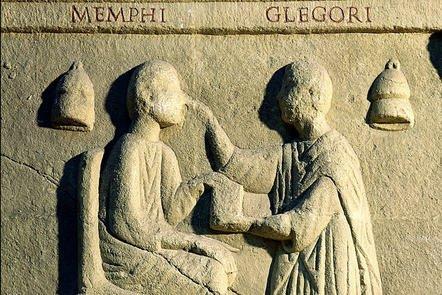
Use literary and archaeological evidence to see how ancient Greeks and Romans approached health, well-being and societal issues. What did being healthy in ancient Rome or Greece look like? How can we tell what well-being meant in ancient times? This online course will help you investigate these questions, using both literary and archaeological evidence, to uncover details of real life in ancient societies.

Self Paced
5-12 Weeks
Why Do We Age? The Molecular Mechanisms of Ageing (FutureLearn) FutureLearn
University of Groningen,University Medical Center Groningen - UMCG

Why Do We Age? The Molecular Mechanisms of Ageing (FutureLearn)

Why do we age? Is there a limit to human lifespan? Can we prolong our lives? Find out with this free online course. Discover the science behind the ageing process. The “why” and “how” of ageing has puzzled mankind ever since it questioned its place in the universe.

Self Paced
5-12 Weeks
Dysphagia: Swallowing Difficulties and Medicines (FutureLearn) FutureLearn
University of East Anglia

Dysphagia: Swallowing Difficulties and Medicines (FutureLearn)

This course will enhance the knowledge of any person involved in the administration of medicines to patients with dysphagia. The course offers an opportunity to network with other learners and with the creators of the course through discussions, graphs and social networking features and to share knowledge with other learners and professionals.

Self Paced
5-12 Weeks
Liver Disease: Looking After Your Liver (FutureLearn) FutureLearn
University of Birmingham

Liver Disease: Looking After Your Liver (FutureLearn)

Learn about how your liver works, ways to look after it and how liver damage is caused, studied and treated around the world. We are currently experiencing an international explosion of liver disease that continues to have enormous impact upon healthcare systems and global health. In the UK we have seen a 20% increase in deaths related to liver disease since 2000 and this pattern reflects the global situation.

Self Paced
3 Weeks