Fundamentals of Immunology: Dueling with the Dark Side (Coursera)

Offered by Rice University,
Fundamentals of Immunology: Dueling with the Dark Side (Coursera)

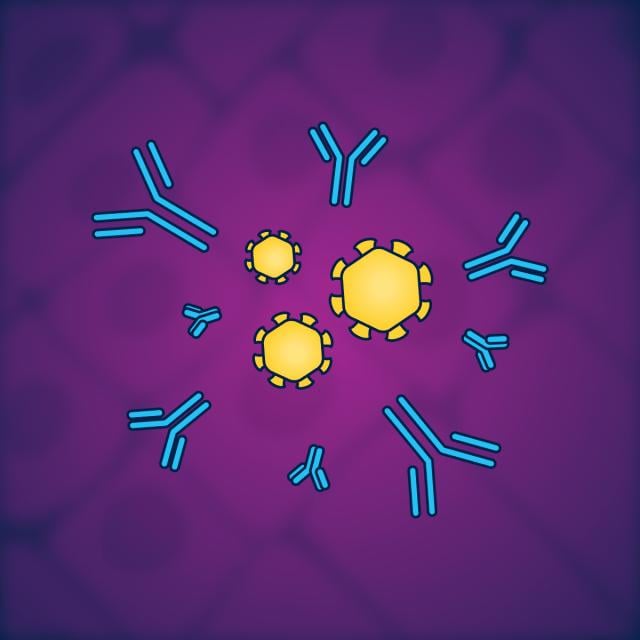
Fundamentals of Immunology, Course 4: Dueling with the Dark Side, covers the constant battle between your immune system and threats to your health. The first two lectures discuss viral and cellular pathogens, focusing on specific tactics they use to deflect immune attack. Next, a cheerier lecture describes other immune-based therapies, beginning with the use of engineered antibodies to treat specific diseases.

Class Deals by MOOC List - Click here and see Coursera's Active Discounts, Deals, and Promo Codes.

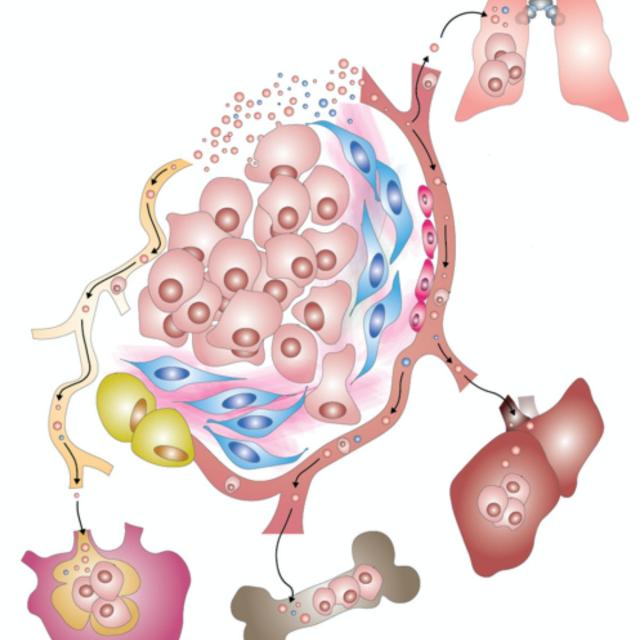
This lecture continues with vaccine development (viral-engineered, killed, RNA-component vaccines and more) and adjuvant function and ends with vaccination strategies, including herd immunity and resisting the anti-vaccination movement. The last two lectures cover immune deficiencies and how cancer evades the immune system, concluding with advances in using immune therapies (antibodies and CAR T cells) to cure cancer.
This course is part of the Fundamentals of Immunology Specialization.

Syllabus

Viral Strategies
Pathogenic Organisms
Immune Counterattack
Immune Deficiency
Cancer
Final Exam and Farewell
Go to Class
MOOC List is learner-supported. When you buy through links on our site, we may earn an affiliate commission.

Related Courses

What Do Viruses Do And How Do We Control Them (Coursera) Coursera
Imperial College London

What Do Viruses Do And How Do We Control Them (Coursera)

This course describes how viruses interact with their hosts to infect, replicate, spread and cause disease. It looks at what controls the specificity of viruses for different host species and for different tissues within a host, also how this can lead to outbreaks and pandemics. It seeks to show how virus evolution is driven by the pressures to replicate and spread. Finally, it looks at how we can find antivirals and use them to control infections, distinguishing therapeutic approaches to prophylaxis by vaccination.

Sep 21st 2026
5-12 Weeks
Immunology: Immune System and Infectious Diseases (Coursera) Coursera
Imperial College London

Immunology: Immune System and Infectious Diseases (Coursera)

The constant struggle between pathogens and the human immune system has been posing a significant threat to our health for thousands of years. Infectious diseases remain the leading cause of death worldwide. These are typically caused by bacteria (intra- and extracellular), viruses, fungi, parasites (worms/helminths) and prions. Under normal circumstance, the immune response orchestrates a robust protection against these pathogens using both molecular and cellular mechanisms. This usually leads to direct or indirect inactivation of the infectious agent, so the disease symptoms may not appear.

Sep 21st 2026
5-12 Weeks
Ebola : Vaincre ensemble ! (Coursera) Coursera
University of Geneva

Ebola : Vaincre ensemble ! (Coursera)

Il s’agit d’un MOOC sur la crise internationale sur Ebola partie d’Afrique de l’Ouest en 2014 ; d’une durée de 5 semaines, où interviendront plus de 30 professeurs des universités, chercheurs, responsables politiques, autorités sanitaires nationales et internationales, membres d’ONGs, et autres acteurs d’Europe et d’Afrique sur plus de 60 séquences vidéos. Les thèmes abordés se dérouleront selon une séquence hebdomadaire décrite ci-dessous (section « plan du cours »).

Sep 21st 2026
5-12 Weeks
Extracellular Vesicles in Health and Disease (Coursera) Coursera
University of California, Irvine

Extracellular Vesicles in Health and Disease (Coursera)

This course aims to provide current understanding about extracellular vesicles (EVs) and their role in health and diseases. The EVs are known to be involved in cell to cell communication. Apart from maintaining normal cell physiology, EVs deliver messages that can drive or influence the progression of a disease. This course discusses recent advances made in the field to give an introduction on their function in health as well as in disease.

Sep 21st 2026
4 Weeks
Non-Communicable Diseases in Humanitarian Settings (Coursera) Coursera
University of Copenhagen

Non-Communicable Diseases in Humanitarian Settings (Coursera)

NCDs are the leading cause of death in almost every region of the world, and place a huge burden on individuals, families and societies. Humanitarian settings have a negative effect on the levels of disease, and the possibility of treatment. The importance of NCDs in global health is acknowledged by their inclusion in the Sustainable Development Goals, which call for a reduction of a third in premature mortality from NCDs by 2030. However, NCDs have until recently received little attention in humanitarian settings, leaving prevention, care and treatment needs largely unaddressed among some of the most vulnerable populations. According to the World Health Organization, 70 percent of global deaths are due to NCDs.

Sep 21st 2026
3 Weeks
How Vaccines Work (Coursera) Coursera
Imperial College London

How Vaccines Work (Coursera)

This course describes the underpinning science around vaccines and their development. It will look at the immunological underpinnings of how vaccines induce protection. It will also look at the epidemiological basis of how vaccines are rolled out. Finally it will explore how new vaccines are developed.

Sep 21st 2026
4 Weeks
The History of Medicine: Philosophy, Science, and Psychology (Coursera) Coursera
University of California, Santa Cruz

The History of Medicine: Philosophy, Science, and Psychology (Coursera)

"History of Medicine" provides an accessible historical and interdisciplinary perspective on medicine, focused primarily upon therapy and practice, to achieve better understanding of the scope, practice, and limits of medicine. Medicine is defined as the treatment of disease. Human attempts to understand and treat disease will be seen as evolving from the spiritual and mystical practices of the distant past, to the rational approach of the Classical World, and finally to the scientific thinking of the Renaissance and beyond.

Sep 28th 2026
5-12 Weeks
Hacking COVID-19 — Course 2: Decoding SARS-CoV-2's Secrets (Coursera) Coursera
University of California, San Diego

Hacking COVID-19 — Course 2: Decoding SARS-CoV-2's Secrets (Coursera)

In this course, you will follow in the footsteps of the bioinformaticians investigating the COVID-19 outbreak by annotating the SARS-CoV-2 genome and using the annotation to design a COVID-19 diagnostic test. Whether you’re new to the world of computational biology, or you’re a bioinformatics expert seeking to learn about its applications in the COVID-19 pandemic, or somewhere in between, this course is for you!

Sep 21st 2026
2 Weeks
The Heart, Blood, and Lungs (Coursera) Coursera
MedCerts

The Heart, Blood, and Lungs (Coursera)

In this course on The Heart, Blood, and Lungs, you will learn about the wonderful diversity of the cardiovascular, immune, and respiratory systems and the medical language that is used to describe these systems. Throughout each Lesson, the roots of terms are explained to help students understand how medical terminology works in healthcare and to increase their knowledge and understanding of the material discussed.

Sep 21st 2026
3 Weeks
Immunology: Adaptive Immune System (Coursera) Coursera
Imperial College London

Immunology: Adaptive Immune System (Coursera)

In this course, you will learn about the role of immune responses of the adaptive (acquired) immune system which provides specialised immunity against pathogens. Guided by our researchers in the Department of Immunity and Inflammation, we will take a closer look at the lymphocyte subsets and mechanisms involved in this delayed finely tuned response occurring days to weeks after the initial exposure to microbial antigens.

Sep 21st 2026
5-12 Weeks
Improving Immunity Based on Traditional Eastern Exercises (Coursera) Coursera
Shanghai Jiao Tong University

Improving Immunity Based on Traditional Eastern Exercises (Coursera)

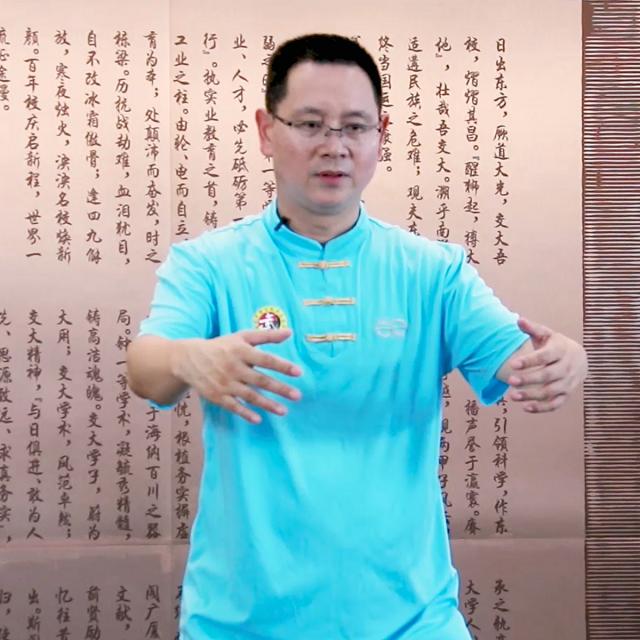
Exercise is medicine. Regular and moderate exercise can effectively strengthen immune system so as to reduce the risk of virus infection and also improve or assist in the treatment of dysthymic disorders like anxiety and depression. This course provides suggestions for the general public about how to actively respond to the outbreak of novel coronavirus. It also explains: how the immune system reacts when viruses invade into the body; why exercises can enhance immunity and what is the mechanism; what the difference is between western sports and traditional eastern exercises.

Sep 21st 2026
5-12 Weeks
Fundamentals of Immunology: Innate Immunity and B-Cell Function (Coursera) Coursera
Rice University

Fundamentals of Immunology: Innate Immunity and B-Cell Function (Coursera)

Course 1 of a three course specialization called Fundamentals of Immunology. Each course in the specialization presents material that builds on the previous course's material. This is the first leg of a three-part journey through the defenses your body uses to keep you healthy. In this part we hope to give you the vocabulary and concepts you need to interact with the medical community and to provide them in a context that makes them memorable.

Sep 21st 2026
5-12 Weeks