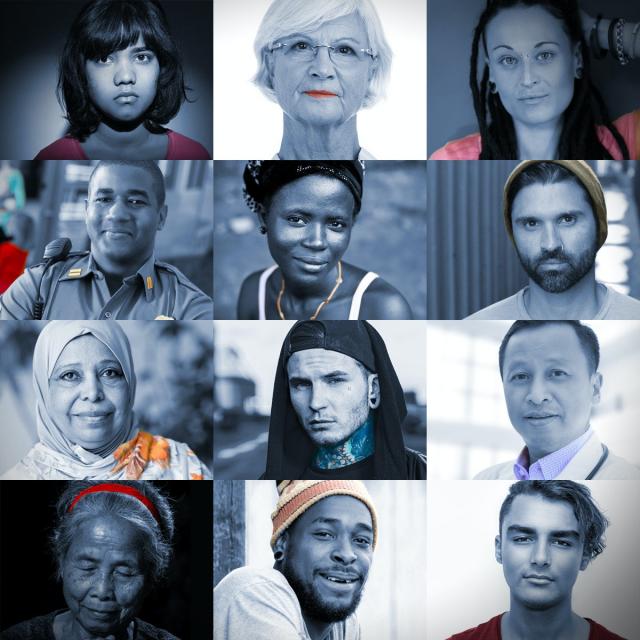
This MOOC is the first of its kind, since it addresses critical issues related to drugs from a multidisciplinary, health and human rights-based approach. Throughout the course you will cover a range of questions including what are drugs and why they controlled? What are the benefits and harms of taking drugs? How public health policies can address drug use?
Class Deals by MOOC List - Click here and see Coursera's Active Discounts, Deals, and Promo Codes.
You will also learn about the intricacies of the international drug control framework and the negative consequences of widespread prohibitionist drug policies around the world. Finally, you will examine ways of furthering drug policy reform.
The topics will be presented by over 40 speakers from scientific, academic and institutional backgrounds, spokespersons of civil society as well as people who use drugs presenting their views.
By the end of the course you will have:
- a strong understanding of the major health issues related to drug use and drug policy;
- a clear vision of why drug policy is debated today;
- and, if you so wish, you will be equipped to engage in the drug policy reform movement at your local or regional level.
Syllabus
Week 1
Understanding drugs and the international drug control framework
Welcome to Module 1! This week's material starts by looking at seemingly simple questions such as: « what are drugs ? » and « why do people use drugs ? » It then addresses the question: « why are drug internationally controlled ? » As you will see the answer to this question constitutes one of the founding blocks of the rest of this course. You will learn what legal elements make up the international drug control framework and what that means for countries putting in place different drug policies around the world. Once you have finished this week, you will be able to: explain what drugs and controlled substances are; describe the main elements of the International Drug Control Framework and recognize the diversity of national drug policies under a unique International Drug Control Framework. We hope that you are prepared to work through the interesting and wide-ranging material we have prepared for you. We also encourage you to stop and answer as many of the in-video (or stand-alone) reflective questions we have placed throughout the week, and look forward to receiving any feedback you may have for us! Have a great first week learning about drugs and the international drug control framework! Best wishes,The Drugs, Drug Use, Drug Policy and Health team
Week 2
Drug Use Worldwide
Welcome to Module 2 ! This week is all about epidemiology and drug use. Indeed, it seems pretty obvious that when looking at drug use around the world, we need to know what we are talking about; but as you will see, for various reasons, it isn’t always that easy. You will also hear from people who use drugs, telling you about the stigmatisation they often face as well as from scientists who will share their knowledge about how drugs should be classified according to their harms and what the benefits and harms of taking certain drugs are. You will also learn what dependence really means and what health-related issues can sometimes arise with certain drugs and forms of drug use. By the end of the Module you will be able to :
• Recall facts, figures and misconceptions about drug use;
• Categorize drugs and their relative harms;
• Describe problematic drug use and dependence and their negative consequences for individuals and the community. Don’t forget to have a look at the additional optional resources. We hope this week challenges a number of ideas you may have about drug use and their benefits and harms for example; and that you learn a lot about questions related to drugs and health. Best wishes,The Drugs, Drug Use, Drug Policy and Health team
Week 3
Addressing drug use and health: prevention, harm reduction and treatment
Welcome to Module 3 which focuses on public health, harm reduction and treatment. In this Module you will see how public health policies address drug use ; become familiar with various harm reduction concepts and tools and learn a bit about the history as well. You will learn a lot about harm reduction itself, seeing how it can fit into existing health policies and look at how policies can include prevention, harm reduction and treatment in a complementary fashion. By the end of the Module you will be able to :
• Recall the concepts and list the tools of harm reduction.
• Assess treatment options for dependence
• and Explain how prevention, harm reduction and treatment complement each other.We hope this week will provide you with a good sense of what harm reduction is and how it fits within wider public health–oriented policies. This week also builds on what you have learnt in Module 2, with regard to certain health issues and looking at when treatment for dependence may be necessary. Don’t forget to go through the essential reading list and look at the optional additional resources. Best wishes, The Drugs, Drug Use, Drug Policy and Health team
Week 4
Questioning prohibition-based policies
Welcome to Module 4 which looks at questioning prohibition-based policies. In this Module, you will discover that most drug policies in the world are based on prohibition law enforcement and criminalization of drug use ; and see that such policies have a number of negative consequences on people’s health as well as on their human rights. This Module will also look at law enforcement more closely and reveal how it can cooperate to improve health. You will learn about the human rights framework and the drug control framework and see what human rights violations, stemming from the implementation of prohibitionist drug policies, look like around the world. Finally, you will also see that drug policies are connected to development and the environment, most often not in a good way, with prohibition fueling violence, crime and corruption and impeding development. By the end of this Module you will be able to:
• Evaluate the extent to which prohibition-based policies have succeeded or failed in reducing drug production, trafficking and consumption;
• Describe the negative impacts of prohibition-based policies on health, human rights and development;
• Recall how prohibition-based policies fuel organized crime and trafficking. We hope this week will provide you with valuable insight into the reality of prohibitionist drug policies, for people in communities all over the world ; and help you see what have been the consequences of these policies, in terms of their impact on human rights, health and development. We also hope you enjoy the essential reading and optional additional resources we have prepared for you. Best wishes,The Drugs, Drug Use, Drug Policy and Health team
Week 5
Medical access to opioids for the management of pain and to other controlled medicines
Welcome to Module 5 which looks at access to controlled medicines. During this week, you will learn how the international scheduling of drugs works; be presented with some of the main barriers to access to essential medicines and look specifically at the case of the opioid epidemic which is ravaging through the United States at the moment. The medical use of cannabis and cannabinoids is also a highlight of this week and one that is particularly relevant in a number of countries around the world at present. By the end of this Module you will be able to:
• Describe the scheduling of controlled medicines;
• Recognize the barriers to access to controlled medicines and discuss the challenges posed by prescription drugs epidemics;
• and examine the current issues around the medical use of cannabis and cannabinoids. We hope you enjoy this week, which is slightly different to the other Modules in terms of its specific topic but adds a lot of important information in terms of understanding the international drug control framework and issues related to drugs, drug use and policies as well as possible. Best wishes,The Drugs, Drug Use, Drug Policy and Health team
Week 6
The case for drug policy reform
Welcome to Module 6! Congratulations, you have made it to the last Module of the Course! This week focuses on how prohibitionist drug policies have failed and how it is time for drug policy reform. Some highlights include decriminalisation, legalisation and regulation being broken down for you, so that you really understand what the terms mean and how countries can move towards them in terms of drug policy goals. A big part of this Module also concentrates on how to get involved in the drug reform movement: you will hear from people who have intimate experience with this: from civil society actors working in the field to networks of people who use drugs; before being able to you, yourself think about how and what you could do to join the drug reform movement. By the end of this Module you will be able to:
• Give examples of decriminalization and regulation of drugs and discuss outcomes;
• Defend the involvement of civil society and people who use drugs in the design and evaluation of drug policies;
• Reflect on and develop your potential role in the world drug debate.The final evaluation will consist of a peer – review, during which you will have the possibility to think about how what you have learnt throughout the course applies to the situation in your own country with regard to drug policy (specifically in relation to protecting human rights and promoting health); and to reflect on how people who use drugs are perceived and/or treated and consider what role you could play in this possible reform. Please don’t forget to go through the essential reading list and some of the optional additional resources available to you. We hope you have enjoyed the six Modules and look forward to receiving your peer-evaluations as well any feedback you may have. Best wishes,The Drugs, Drug Use, Drug Policy and Health team