Depressive and Bipolar Disorders (Coursera)

Depressive and Bipolar Disorders (Coursera)

Depressive and bipolar disorders are estimated to affect more than 400 million people around the globe. Although treatments are available, most people who are affected by these disorders are not properly diagnosed or treated. This course provides a review of common depressive and bipolar disorders, including dysthymic disorder, premenstrual dysphoric disorder, peripartum depressive disorder, as well as bipolar type I disorder, bipolar type II disorder, and cyclothymic disorder. In addition, the course presents the diagnostic criteria, demographics, contributing factors, and treatments for each disorder.

Class Deals by MOOC List - Click here and see Coursera's Active Discounts, Deals, and Promo Codes.

This course is part of the Psychology of Anxiety, Mood, Substance Use, and Addictive Behaviors Specialization.

Syllabus

Learn With PsycLearn Essentials
This module introduces you to your PsycLearn Essentials course. Find out what’s included in this course and how to navigate the modules and lessons. You’ll also learn valuable study tips for successful learning.

Opening to Depressive and Bipolar Disorders
Depressive and bipolar disorders are types of mood disorders. Though they are different in many ways, the major symptom of depressive and bipolar disorders is altered mood.

Depressive and Bipolar Disorders
Diagnostic criteria and worldwide prevalence for depressive and bipolar disorders are discussed.

Biological Contributing Factors
Biological contributing factors, such as genetics, epigenetics, and neurobiological factors, for depressive and bipolar disorders are discussed.

Psychological Contributing Factors
Psychological contributing factors, such as helplessness and hopelessness, and environmental conditions, such as childhood trauma, poverty, prejudice, and discrimination, are discussed for depressive and bipolar disorders.

Treatments for Depressive and Bipolar Disorders
Biological, such as pharmacotherapy and brain stimulation, and psychological, such as cognitive-behavioral therapy, treatments for depressive and bipolar disorders are discussed. This module also explores integrated approaches that combine biological and psychological treatments.

Suicide
Demographics, risk factors, and preventive treatments for depressive and bipolar disorders are discussed.

Conclusion
This final content module brings all of the previous course material together and gives you material to review and questions for you to use to assess your learning.

Cumulative Quiz
This module contains a cumulative quiz.

Course Resources
This module contains a glossary, course references and a list of contributors to the course.

PsycLearn Essentials APA Student Resources
Go to Class
MOOC List is learner-supported. When you buy through links on our site, we may earn an affiliate commission.

Related Courses

Saúde Baseada em Evidências (Coursera) Coursera
Universidade Estadual de Campinas - UNICAMP

Saúde Baseada em Evidências (Coursera)

Por que as informações na área da saúde são tão conflitantes? Existe algum lugar em que a informação sobre saúde é confiável? O que devo considerar ao deparar com alguma novidade que parece mágica? Como o sistema de saúde é afetado por essas questões? Essas e outras perguntas nortearam o curso Saúde Baseada em Evidências. Além dessas reflexões, são apontados aspectos sobre o desenvolvimento de pesquisas médicas que fornecem subsídios para uma interpretação mais apurada dos fatos.

Oct 5th 2026
5-12 Weeks
Introduction to Dental Medicine (Coursera) Coursera
University of Pennsylvania

Introduction to Dental Medicine (Coursera)

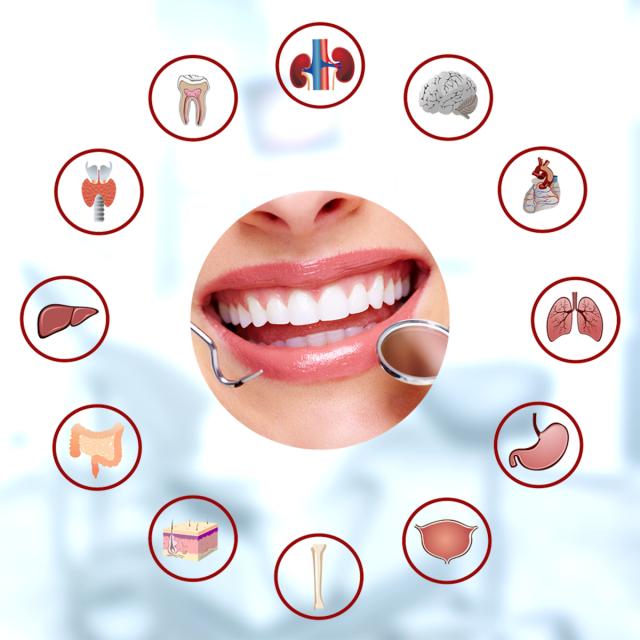
The mouth is the window into human health. This course provides an overview of dental medicine to engage, educate, excite and assist you in improving the oral health of your patients and members of your community. We will review topics in dental medicine including scope of the field, what to expect in function, and some of the many ways that dysfunction may present for different patients.

Oct 5th 2026
5-12 Weeks
Hacking Exercise For Health. The surprising new science of fitness. (Coursera) Coursera
McMaster University

Hacking Exercise For Health. The surprising new science of fitness. (Coursera)

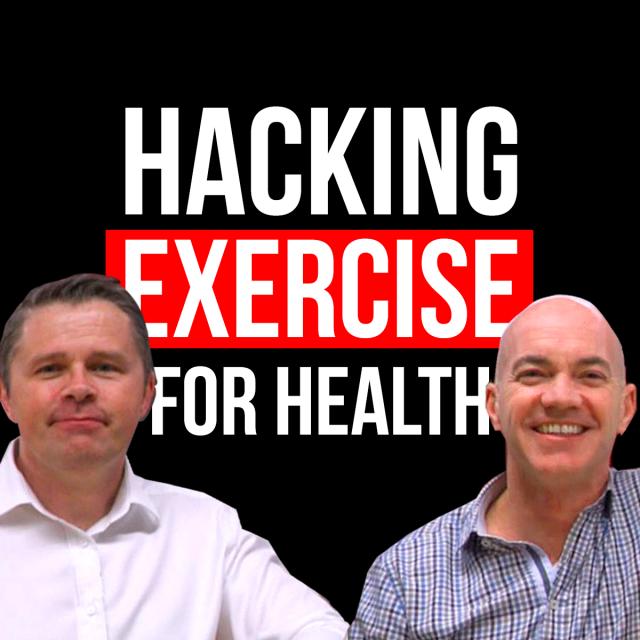
Renowned exercise physiologists Martin Gibala and Stuart Phillips of McMaster University teach the surprising new science of cardio fitness and strength-building—and then provide you with hacks to get fit and strong (and healthy!) in less time than you ever thought possible. What’s the right mix of exercise between cardio and strength? How do you know if you’re working out hard enough? What’s better, heavy or light weights? These questions and more are addressed through a course designed to provide even the most inexperienced of exercisers the tools you need to design time-efficient workouts that can be done virtually anywhere, from your own home to a city park or even at your workplace.

Oct 5th 2026
4 Weeks
Introduction to Hearing Loss (Coursera) Coursera
Icahn School of Medicine at Mount Sinai

Introduction to Hearing Loss (Coursera)

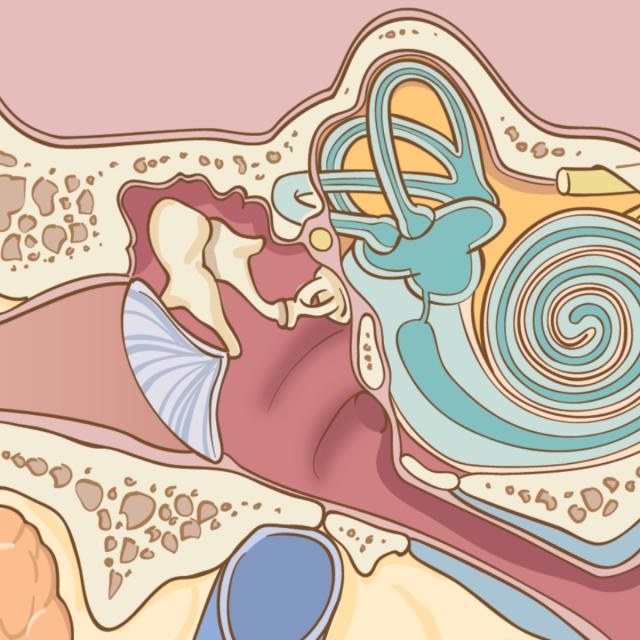
Welcome to Introduction to Hearing Loss. Disorders of the ear range from simple, easily treated entities (such as wax or cerumen impaction) to the highly complex (such as permanent hearing loss). Many of these disorders manifest with similar symptoms and may be difficult to differentiate without a basic understanding of the anatomy of the ear and auditory pathway.

Oct 5th 2026
4 Weeks
Foundational Skills for Communicating About Health (Coursera) Coursera
University of Michigan

Foundational Skills for Communicating About Health (Coursera)

Effective communication is a core skill that nearly every health professional will need and use during their careers. Yet, few health professionals receive even basic training in how to design communications to be clear and successful. As “foundational skills,” the content in this course can be applied to both oral and written communication, within and beyond health.

Oct 5th 2026
5-12 Weeks
Psychological First Aid (Coursera) Coursera
Johns Hopkins University

Psychological First Aid (Coursera)

Learn to provide psychological first aid to people in an emergency by employing the RAPID model: Reflective listening, Assessment of needs, Prioritization, Intervention, and Disposition. Utilizing the RAPID model (Reflective listening, Assessment of needs, Prioritization, Intervention, and Disposition), this specialized course provides perspectives on injuries and trauma that are beyond those physical in nature. The RAPID model is readily applicable to public health settings, the workplace, the military, faith-based organizations, mass disaster venues, and even the demands of more commonplace critical events, e.g., dealing with the psychological aftermath of accidents, robberies, suicide, homicide, or community violence.

Oct 5th 2026
5-12 Weeks
The Oral Cavity: Portal to Health and Disease (Coursera) Coursera
University of Pennsylvania

The Oral Cavity: Portal to Health and Disease (Coursera)

This course will focus on the interprofessional realtionship of dentistry and medicine. For each session, the medical specialist will present a broad overview of specific disease entity which will be followed by a dental educator discussing the relevant oral manifestations and implications. The final module of each session will be devoted to the interaction between the dental and other health care professionals.

Oct 5th 2026
5-12 Weeks
Whole genome sequencing of bacterial genomes - tools and applications (Coursera) Coursera
Technical University of Denmark - DTU

Whole genome sequencing of bacterial genomes - tools and applications (Coursera)

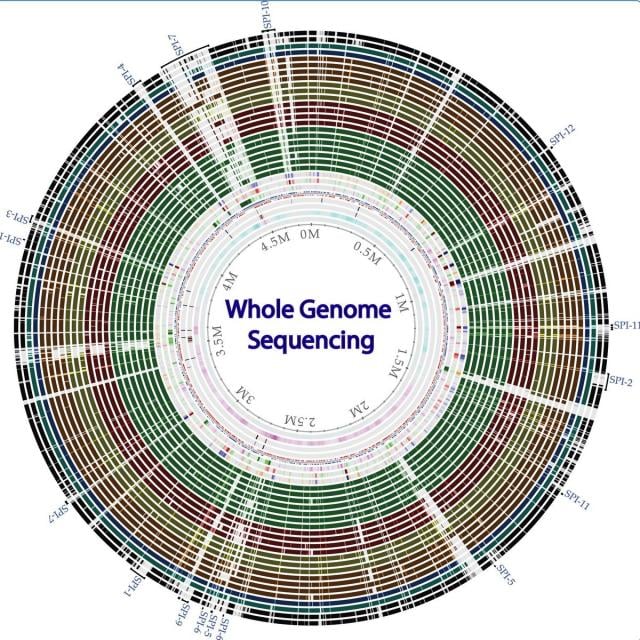
This course will cover the topic of Whole genome sequencing (WGS) of bacterial genomes which is becoming more and more relevant for the medical sector. WGS technology and applications are high on international political agenda, as the classical methods are being replaced by WGS technology and therefore bioinformatic tools are extremely important for allowing the people working in this sector to be able to analyze the data and obtain results that can be interpreted and used for different purposes.

Oct 5th 2026
5-12 Weeks
Urbanisation and Health - Promoting Sustainable Solutions (Coursera) Coursera
University of Copenhagen

Urbanisation and Health - Promoting Sustainable Solutions (Coursera)

More than half of world’s population lives in cities while only 5% did so in the 18th century. The rapid urbanisation has resulted in for example inadequate infrastructure, physical inactivity, gentrification, air pollution, and growing numbers of slum dwellers. All factors challenging health and wellbeing of the people living in the cities. In addition, when addressing climate change it has become of paramount importance to look at mitigation and adaptation investments tailored to the urban context.

Oct 5th 2026
5-12 Weeks
Suicide Prevention (Coursera) Coursera
Wesleyan University

Suicide Prevention (Coursera)

This course will explore the science of suicide research, prevention, and intervention. The field of suicide research is young and knowledge is rapidly changing. Topics will include terminology, epidemiology, historical and contemporary theories of suicide, modern approaches to suicide research, empirically supported approaches to prevention and intervention, the lived experiences of those with suicidal thoughts and attempts.

Oct 5th 2026
4 Weeks