Anatomy & Physiology: Fluids, Transport, and Defense (Coursera)

Offered by Rice University,
Anatomy & Physiology: Fluids, Transport, and Defense (Coursera)

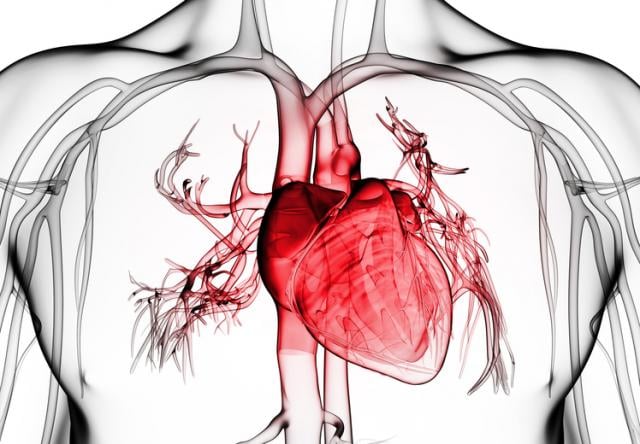
This course in the second A&P specialization uses a systems-based approach to human anatomy and physiology at the organ, organ system, and organism level. Two major body systems related to fluids and transportation will be explored in detail: the cardiovascular and lymphatic/immune systems.

Class Deals by MOOC List - Click here and see Coursera's Active Discounts, Deals, and Promo Codes.

Course material will cover both the structure (anatomy) and function (physiology) of each system with direct application to human development and disease.
After completing this course, you will be able to:

  1. Identify the major parts of the cardiovascular and lymphatic/immune systems;
  2. Describe normal human anatomy structure and function for the cardiovascular and lymphatic/immune systems;
  3. Relate anatomical structure and function at the cellular, tissue, organ, and body system levels to clinical diagnoses and dysfunction of the cardiovascular and lymphatic/immune systems.

This course is part of the Human Anatomy & Physiology II Specialization.

Syllabus

Welcome to Fluids, Transport, & Defense
The Cardiovascular System
Blood, Vessels, and Pressure
The Lymphatic & Immune System
Course Final Assessments & Summary

Go to Class
MOOC List is learner-supported. When you buy through links on our site, we may earn an affiliate commission.
Related Courses

Acute and Chronic Rhinosinusitis: A Comprehensive Review (Coursera) Coursera
Icahn School of Medicine at Mount Sinai

Acute and Chronic Rhinosinusitis: A Comprehensive Review (Coursera)

This course is designed to inform primary care physicians and general otolaryngologists about the differences between acute and chronic rhinosinusitis and how to distinguish and treat them. It is also applicable to individuals who wish to broaden their knowledge and vernacular about this disease process, especially those who may suffer from this condition.

Aug 10th 2026
5-12 Weeks
Digestion, Micturition, and Reproduction (Coursera) Coursera
MedCerts

Digestion, Micturition, and Reproduction (Coursera)

In this course on Digestion, Micturition, and Reproduction, you will learn about the wonderful diversity of the digestive, urinary, and reproductive systems and the medical language that is used to describe these systems. Throughout each Lesson, the roots of terms are explained to help students understand how medical terminology works in healthcare and to increase their knowledge and understanding of the material discussed.

Jul 27th 2026
3 Weeks
Non-Alcoholic Fatty Liver Disease – The Essentials (Coursera) Coursera
University of Copenhagen

Non-Alcoholic Fatty Liver Disease – The Essentials (Coursera)

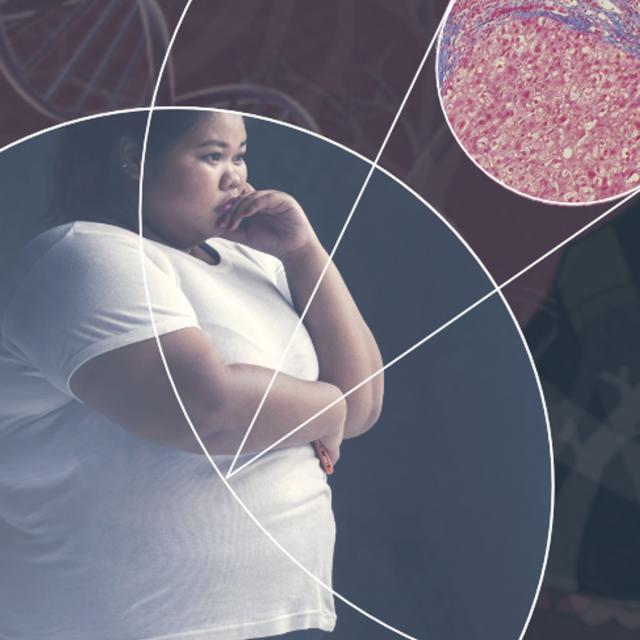
Non-Alcoholic Fatty Liver Disease (NAFLD) is a global problem, affecting up to 25% of all individuals. The disease not only increases the risk of liver disease, but also of cardiovascular disease and liver cancer. During this course, you will learn the essentials of NAFLD. We will begin with an introduction to the physiology of the human liver followed by epidemiology, pathophysiology, clinical medicine, and genetics. Diagnosing NAFLD based on blood tests, diagnostic imaging and histology will be discussed. Complications and treatment options will also be covered in this course including the link between NAFLD and the development of diabetes. Finally, experts will discuss data driven identification of new biomarkers by omics technologies.

Aug 17th 2026
5-12 Weeks
Medical Terminology, Anatomy, and Physiology Fundamentals (Coursera) Coursera
MedCerts

Medical Terminology, Anatomy, and Physiology Fundamentals (Coursera)

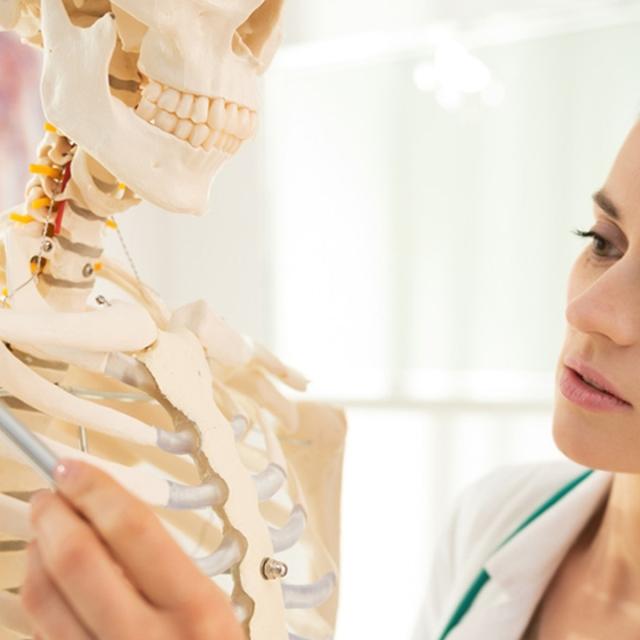
In this Introduction to Medical Terminology and the Human Body course, you will learn about the medical language that is used to describe the human body. Throughout each Lesson, the roots of terms are explained to help students understand how medical terminology works in healthcare and to increase their knowledge and understanding of the material discussed.

Jul 27th 2026
4 Weeks
Fundamentals of Immunology: Death by Friendly Fire (Coursera) Coursera
Rice University

Fundamentals of Immunology: Death by Friendly Fire (Coursera)

Course 3 of a three course specialization called Fundamentals of Immunology. Each course in the specialization presents material that builds on the previous course's material. This is the third leg of the journey through the defenses your body uses to keep you healthy. In the first course we learned about innate immunity and B cell function. In the second course we studied T cell function and coordination of the immune response.

Jun 29th 2026
5-12 Weeks
Improving Immunity Based on Traditional Eastern Exercises (Coursera) Coursera
Shanghai Jiao Tong University

Improving Immunity Based on Traditional Eastern Exercises (Coursera)

Exercise is medicine. Regular and moderate exercise can effectively strengthen immune system so as to reduce the risk of virus infection and also improve or assist in the treatment of dysthymic disorders like anxiety and depression. This course provides suggestions for the general public about how to actively respond to the outbreak of novel coronavirus. It also explains: how the immune system reacts when viruses invade into the body; why exercises can enhance immunity and what is the mechanism; what the difference is between western sports and traditional eastern exercises.

Jul 27th 2026
5-12 Weeks
Medical Terminology and the Human Body Fundamentals (Coursera) Coursera
MedCerts

Medical Terminology and the Human Body Fundamentals (Coursera)

In this Introduction to Medical Terminology and the Human Body course, you will learn about the medical language that is used to describe the human body. Throughout each Lesson, the roots of terms are explained to help students understand how medical terminology works in healthcare and to increase their knowledge and understanding of the material discussed.

Aug 3rd 2026
4 Weeks
Immunology: Innate Immune System (Coursera) Coursera
Imperial College London

Immunology: Innate Immune System (Coursera)

Our immune system relies on an innate and an adaptive arm that communicate and collaborate to provide us with an optimal response against pathogens. This course focuses on our innate immunity which provides us our first, fast and inherited defence against infections. In this course, you will take a closer look at the mechanisms and cellular components involved in this swift response that occurs within minutes of exposure to a threat.

Jul 27th 2026
5-12 Weeks
Fundamentals of Immunology: Innate Immunity and B-Cell Function (Coursera) Coursera
Rice University

Fundamentals of Immunology: Innate Immunity and B-Cell Function (Coursera)

Course 1 of a three course specialization called Fundamentals of Immunology. Each course in the specialization presents material that builds on the previous course's material. This is the first leg of a three-part journey through the defenses your body uses to keep you healthy. In this part we hope to give you the vocabulary and concepts you need to interact with the medical community and to provide them in a context that makes them memorable.

Jul 27th 2026
5-12 Weeks
Immunology: Immune Failures and Cancer Immunology (Coursera) Coursera
Imperial College London

Immunology: Immune Failures and Cancer Immunology (Coursera)

Our immune system is a powerful network. It protects us from external threats, such as harmful substances and pathogenic agents, as well as cellular changes which could lead to diseases. Complications emerge when our natural defences do not function properly, which can result in immune disorders. These can take the form of less severe issues such as insect allergy. Others are more harmful, such as auto aggressive immune reactions, that lead to localised or systemic tissue damage.

Jul 27th 2026
4 Weeks
Anatomy & Physiology: Support & Movement (Coursera) Coursera
Rice University

Anatomy & Physiology: Support & Movement (Coursera)

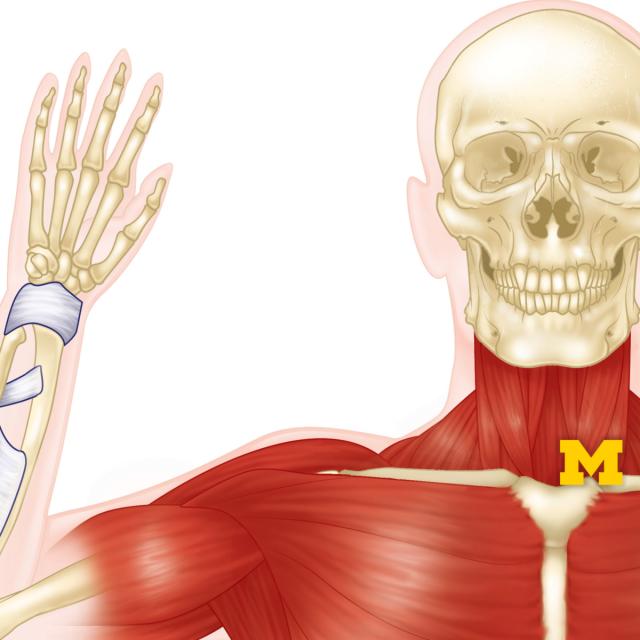
The second course begins the systems-based approach to human anatomy and physiology at the organ, organ system, and organism level. Three major body systems related to support and movement will be explored in detail: the skeletal and muscular systems. Course material will cover both the structure (anatomy) and function (physiology) of each system with direct application to human development and disease.

Jul 27th 2026
4 Weeks
Advanced Neurobiology I (Coursera) Coursera
Peking University

Advanced Neurobiology I (Coursera)

Hello everyone! Welcome to advanced neurobiology! Neuroscience is a wonderful branch of science on how our brain perceives the external world, how our brain thinks, how our brain responds to the outside of the world, and how during disease or aging the neuronal connections deteriorate. We’re trying to understand the molecular, cellular nature and the circuitry arrangement of how nervous system works.

Jul 27th 2026
5-12 Weeks