Anatomy & Physiology: Exchange and Energy (Coursera)

Offered by Rice University,
Anatomy & Physiology: Exchange and Energy (Coursera)

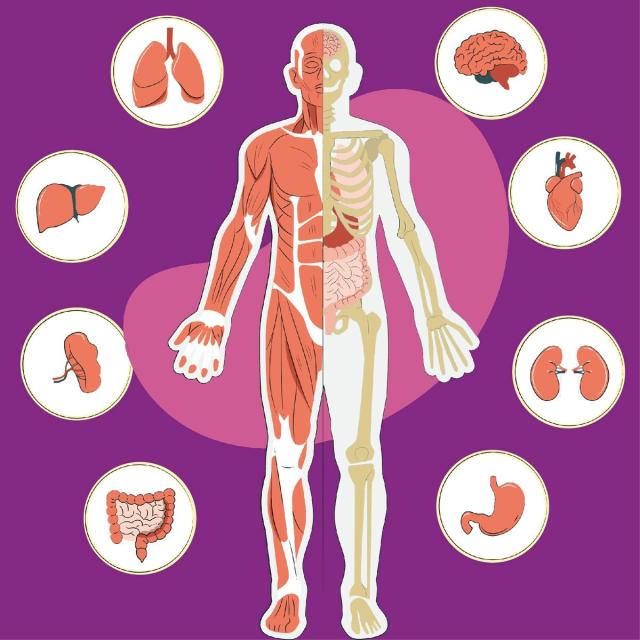
The course of the second A&P specialization continues a systems-based approach to human anatomy and physiology at the organ, organ system, and organism level. Two major body systems related to gas exchange and energy consumption will be explored in detail: the respiratory and digestive systems.

Class Deals by MOOC List - Click here and see Coursera's Active Discounts, Deals, and Promo Codes.

Course material will cover both the structure (anatomy) and function (physiology) of each system with direct application to human development and disease.
After completing this course, you will be able to:

  1. Identify the major parts of the respiratory and digestive systems;
  2. Describe normal human anatomy structure and function for the respiratory and digestive systems;
  3. Relate anatomical structure and function at the cellular, tissue, organ, and body system levels to clinical diagnoses and dysfunction of the respiratory and digestive systems.

This course is part of the Human Anatomy & Physiology II Specialization.

Syllabus

Welcome to Exchange & Energy
The Respiratory System
The Digestive System - Overview through Esophagus
The Digestive System: Stomach through Elimination & Diseases
Course Final Assessments & Summary
Go to Class
MOOC List is learner-supported. When you buy through links on our site, we may earn an affiliate commission.

Related Courses

Anatomy of the Chest, Abdomen, and Pelvis (Coursera) Coursera
Yale University

Anatomy of the Chest, Abdomen, and Pelvis (Coursera)

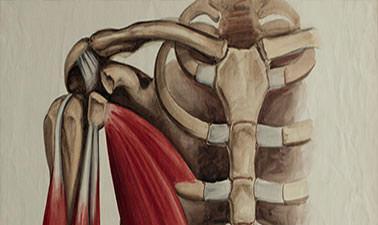
Human structure is important to all of us as it has been for millennia. Artists, teachers, health care providers, scientists and most children try to understand the human form from stick figure drawings to electron microscopy. Learning the form of people is of great interest to us – physicians, nurses, physician assistants, emergency medical services personnel and many, many others. Learning anatomy classically involved dissection of the deceased whether directly in the laboratory or from texts, drawings, photographs or videos. There are many wonderful resources for the study of anatomy. Developing an understanding of the human form requires significant work and a wide range of resources.

Jun 8th 2026
4 Weeks
Medical Terminology and the Human Body Fundamentals (Coursera) Coursera
MedCerts

Medical Terminology and the Human Body Fundamentals (Coursera)

In this Introduction to Medical Terminology and the Human Body course, you will learn about the medical language that is used to describe the human body. Throughout each Lesson, the roots of terms are explained to help students understand how medical terminology works in healthcare and to increase their knowledge and understanding of the material discussed.

Jun 8th 2026
4 Weeks
Renal, Gastrointestinal and Endocrine Systems (edX) EdX
University of Queensland,UQx

Renal, Gastrointestinal and Endocrine Systems (edX)

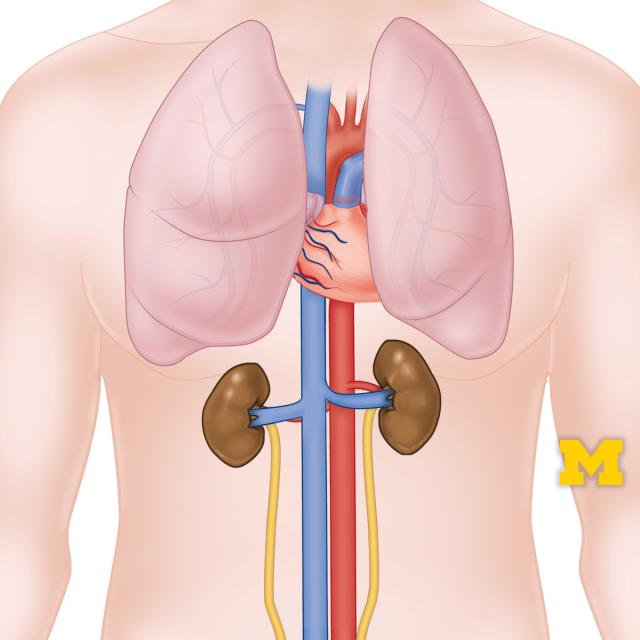
The renal, gastrointestinal and endocrine systems are key body systems, essential for normal human health. Learn how these systems work together to maintain homeostasis. Comprehending the complexity and integration of the human body systems is the core to learning human physiology.

Sep 7th 2022
5-12 Weeks
Statistical Shape Modelling: Computing the Human Anatomy (FutureLearn) FutureLearn
University of Basel

Statistical Shape Modelling: Computing the Human Anatomy (FutureLearn)

Learn the technology of modelling, as used in computational face recognition or in surgeries, with this free online course. Statistical shape models are one of the most important technologies in computer vision and medical image analysis. With this technology, the computer learns the characteristic shape variations of an object or organ. The model resulting from this analysis may then be used in implant design, image analysis, surgery planning and many other fields.

Feb 21st 2022
5-12 Weeks
Biomedical Visualisation (Coursera) Coursera
University of Glasgow

Biomedical Visualisation (Coursera)

Visualisation is a rapidly progressive specialty in academia, research and industry, and becoming the future of science. With the advancement of digital technologies and their applications, biomedical visualisation is an evolving and popular field. With new techniques and technologies to image, process and analyse data related to the human body, and its biological processes, it is at the forefront of the digital revolution.

Apr 20th 2026
4 Weeks
Voice Disorders: What Patients and Professionals Need to Know (Coursera) Coursera
Icahn School of Medicine at Mount Sinai

Voice Disorders: What Patients and Professionals Need to Know (Coursera)

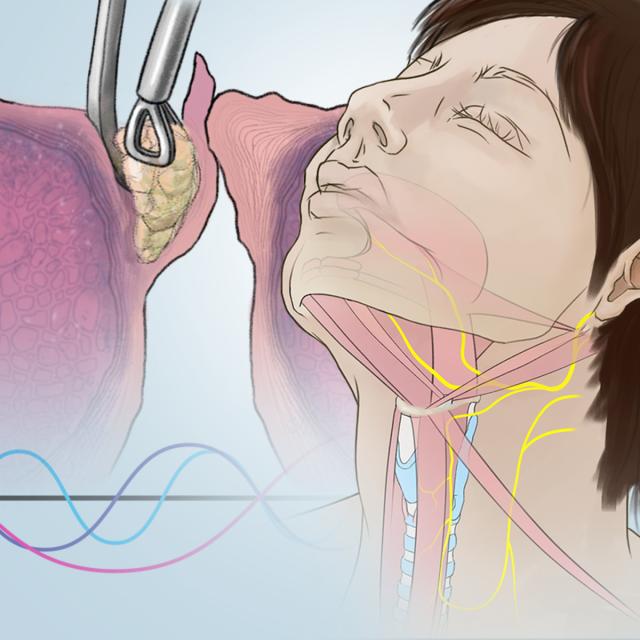
Knowledge regarding vocal production physiology and management options for voice disorders have experienced rapid growth over the past 40 years. This growth has resulted in a knowledge gap amongst patients and practitioners. Entirely new subspecialties of laryngology under otolaryngology and vocology under speech-language pathology have developed in response to this gap. This MOOC (Massive Open Online Course) is designed to educated patients, allied healthcare providers, vocal trainers/coaches, general medical practitioners and otolaryngologists.

Jun 8th 2026
5-12 Weeks
Developing the SIR Model (Coursera) Coursera
Imperial College London

Developing the SIR Model (Coursera)

Compartmental modelling is a cornerstone of mathematical modelling of infectious diseases and this course will introduce some of the basic concepts in building compartmental models, including how to interpret and represent rates, durations and proportions. You'll learn to place the mathematics to one side and concentrate on gaining intuition into the behaviour of a simple epidemic, and be introduced to further basic concepts of infectious disease epidemiology, such as the basic reproduction number (R0) and its implications for infectious disease dynamics.

Jun 1st 2026
4 Weeks
Engineering Health: Introduction to Yoga and Physiology (Coursera) Coursera
New York University Tandon School of Engineering

Engineering Health: Introduction to Yoga and Physiology (Coursera)

This course gives you access to an exploration of physiological systems from the perspective of overall health and wellness. In particular, a focus on yoga, meditation and mindfulness as a therapeutic intervention in chronic illness and long term treatment. This course is intended for yoga practitioners and teachers, as well as college students and medical practitioners looking for a deeper understanding of the physiological benefits of yoga.

Jun 8th 2026
5-12 Weeks
Anatomy & Physiology: Levels of Organization (Coursera) Coursera
Rice University

Anatomy & Physiology: Levels of Organization (Coursera)

This course will provide a basic introduction to the human body. It will examine common organizational patterns and terms in anatomy. It will also provide a micro-level view of essential elements and compounds at the atomical and molecular level before expanding to the cellular and tissue levels. Finally, we will look at how tissue can form organs and even an entire organ system with the skin through our look at the Integumentary System.

Jun 1st 2026
3 Weeks