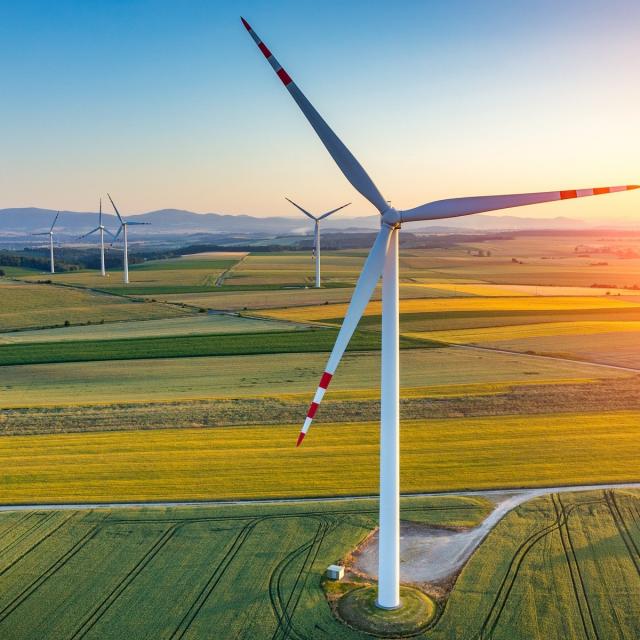
21st Century Energy Transition: how do we make it work? (Coursera)

Offered by University of Alberta,
21st Century Energy Transition: how do we make it work? (Coursera)

Affordable, abundant and reliable energy is fundamental to human well-being and prosperity. For the past 150 years, more and more people have gained access to energy, primarily in the form of fossil fuels – coal, petroleum and natural gas. But now, even while half of humanity cannot access adequate energy supplies, we are beginning a profound transition to more diverse energy sources. Climate change, environmental sustainability, and energy poverty are all important – and sometimes conflicting – drivers as we strive to supply more energy to more people with fewer negative impacts on Earth’s environments.

Class Deals by MOOC List - Click here and see Coursera's Active Discounts, Deals, and Promo Codes.

In this course from the University of Alberta and Canadian Society for Evolving Energy, you will join us to learn about the many energy sources available, and where technology is providing exciting new solutions to energy and environmental challenges. Find out what roles energy storage must play to support the transition, and discuss how we can optimize transition processes. Examine competing viewpoints (“realities”) to enable energy transition, focusing on the practical challenges in bringing about change on a global basis. Finally, you will bring all these issues together to examine how the energy transition process is progressing and what we must do to create pathways to achieve our goals.

What You Will Learn

  • Understand the complexity of systems supplying energy to people around the world
  • Evaluate the merits and the costs associated with each major available energy source
  • Explore competing viewpoints of how quickly, practically and effectively global societies can transition to alternative energy sources

Syllabus

WEEK 1
Introduction to the 21st Century Energy Transition
Welcome to 21st Century Energy Transitions- how do we make it work? In this first module, we will introduce one of the great global challenges of our time: how do we deliver dependable global energy in a way that mitigates the effects of human-induced climate change, encourages sustainability, and meets the sometimes competing economic needs of many different countries? To begin answering this question, we will also dive into the past to discover how energy has transitioned throughout human history, and see how this might help us with energy transitions today.

WEEK 2
Energy Sources and Production – Benefits and Challenges
To understand the challenges and opportunities of global energy transition, we need to be aware of the different energy sources that are used today, and those that could be more dominant in the future. From fossil fuels and established renewables like solar and wind, to more recent advances in energy sources like biomass and geothermal, in this module we'll introduce each major player in the world of energy, discuss their benefits, challenges, and see some new technology that might provide solutions to future energy issues.

WEEK 3
Energy Storage
Now that we've covered the major energy sources, it's time to switch focus to another important part of the energy transition- energy storage. In this module we'll look at energy storage requirements and priorities, particularly in relation to electricity. We'll also examine hydrogen as a potential source of low GHG energy, discuss its positive and negative attributes, and explore some new technologies making hydrogen more available and competitive.

WEEK 4
FAQs for the Energy Transition
Congratulations! You've made it to the second half of the course! Now that we're comfortable with energy sources and storage technologies, it's time to ask some of the tough questions for the energy transition over the next century. How do we balance rising energy demands and increasing populations with reducing GHG emissions? How do we improve energy efficiency both as populations and individuals? What are some ways that we can keep GHG emissions as low as possible in future scenarios where fossils fuels will still be required? How do we balance rapid change with continuous energy delivery? How do we reconcile the competing energy policies of different countries? As you'll see in this module, there are very few clear answers, but the 21st century energy transition starts with asking the right questions.

WEEK 5
How Do We Enable the Energy Transition?
In this module, we will explore the two most common viewpoints on the rate of energy transition: Reality 1 and Reality 2. In Reality 1, energy transition will be a measured, gradual process focused on reducing GHG emissions, driven primarily by market forces with diverse energy portfolios. In Reality 2, transition is a more urgent process because the world is facing a climate crisis. Focus is on reducing GHG emissions, with major energy reforms, including the elimination of fossil fuels now or in the near future. We will examine both points of view, discussing their requirements, challenges and implications.

WEEK 6
Policy and Pathways to Support Energy Transition
Well done on reaching the final module of the course! In this module, we will switch the focus of our discussion from the energy sectors, to the governments and policy makers enacting legislation and guidelines to steer the energy transition. We'll have a look at some current policies, and ask whether stepping stones have been put in place to achieve realistic targets. We will also discuss the many things that we can do better in terms of communication, flexible and logical thinking, and recognizing viewpoints of various stakeholders. Finally, we'll reflect on what we've learned throughout the course and hopefully, find ourselves better equipped to answer our titular question: how do we make the 21st century energy transition work?
Go to Class
MOOC List is learner-supported. When you buy through links on our site, we may earn an affiliate commission.

Related Courses

Mechanics: Motion, Forces, Energy and Gravity, from Particles to Planets (Coursera) Coursera
UNSW Sydney - University of New South Wales

Mechanics: Motion, Forces, Energy and Gravity, from Particles to Planets (Coursera)

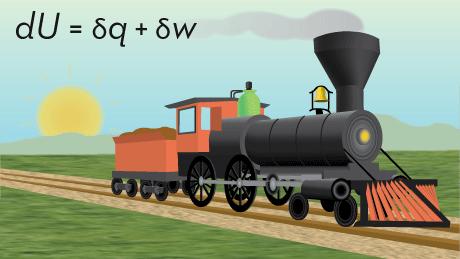
Most of the phenomena in the world around you are, at the fundamental level, based on physics, and much of physics is based on mechanics. Mechanics begins by quantifying motion, and then explaining it in terms of forces, energy and momentum. This allows us to analyse the operation of many familiar phenomena around us, but also the mechanics of planets, stars and galaxies.

Oct 12th 2026
5-12 Weeks
Greening the Economy: Sustainable Cities (Coursera) Coursera
Lund University

Greening the Economy: Sustainable Cities (Coursera)

How can we shape urban development towards sustainable and prosperous futures? This course will explore sustainable cities as engines for greening the economy. We place cities in the context of sustainable urban transformation and climate change. Sustainable urban transformation refers to structural transformation processes – multi-dimensional and radical change – that can effectively direct urban development towards ambitious sustainability and climate goals. We will connect the key trends of urbanization, decarbonisation and sustainability.

Sep 28th 2026
5-12 Weeks
Física: Vectores, Trabajo y Energía (Coursera) Coursera
Tecnológico de Monterrey

Física: Vectores, Trabajo y Energía (Coursera)

Este curso provee al estudiante con conceptos y herramientas matemáticas para modelar problemas en física, que al aplicar podrá enfrentar con éxito los cursos de física universitarios. Así pues, la filosofía de este curso consiste en cubrir temas conceptuales relativos a la Física y desarrollar tu capacidad de aprender y aplicarlos en tu vida profesional.

Oct 12th 2026
5-12 Weeks
ESG Investing: Industry Impacts & Transformations (Coursera) Coursera
Interactive Brokers

ESG Investing: Industry Impacts & Transformations (Coursera)

Through this ESG Investing: Industry Impacts & Transformations course, students with basic knowledge of traditional financial products can explore how certain financial market sectors have been transforming, amid a heightened focus on risk factors that underpin the three pillars of ESG. For example, what led age-old, iconic companies such as Borden and Dean Foods to file for bankruptcy? How are traditional oil giants BP and Exxon Mobil managing the energy transition? And what steps are firms such as International Paper and WestRock taking to align their business operations with forestry concerns?

Sep 28th 2026
5-12 Weeks
Understanding Modern Physics III: Simplicity and Complexity (Coursera) Coursera
The Hong Kong University of Science and Technology - HKUST

Understanding Modern Physics III: Simplicity and Complexity (Coursera)

The 20th century was known as the century of physics. In the past 120 years, concepts such as space, time, energy, entropy and particles were understood to much deeper levels. New paradigms of thinking such as relativity and quantum mechanics emerged. This course is the third course in the Understanding Modern Physics series, which covers an introduction to action principle, fundamental particle physics, entropy & information and complexity.

Oct 5th 2026
4 Weeks
Companies and climate change (Coursera) Coursera
ESSEC Business School

Companies and climate change (Coursera)

How can companies act in the fight against global warming? This is a question that is being asked more and more urgently to all economic actors. To shed some light on your thoughts, we have met with four companies of various sizes and sectors of activity that are very committed to the subject. They will share with you their progress in aligning themselves with the objectives of the Paris Accord.

Sep 28th 2026
4 Weeks
Energy Harvesting (Coursera) Coursera
Sungkyunkwan University - SKKU

Energy Harvesting (Coursera)

Joining this course presents opportunity to learn about energy harvesting that refers to a technology that converts the energy discarded in our daily lives into useful electrical energy that we can use. As we all know, most of low-power electronics, such as remote sensors, are driven by batteries. However, even when it comes to long-lasting batteries, they face an issue that is a regular replacement. It can turn out to be costly as there are hundreds of sensors in remote locations.

Oct 5th 2026
4 Weeks
Particle Dynamics (Coursera) Coursera
Korea Advanced Institute of Science and Technology - KAIST

Particle Dynamics (Coursera)

This course teaches dynamics, one of the basic mechanics subjects of Mechanical Engineering. Students would be able to organize their knowledge about force and motion, work-energy, impulse-momentum in view of Newton's 2nd law and its integration over time and displacement. The Engineering Dynamics consists of two parts: particle dynamics and rigid body dynamics.

Oct 12th 2026
13-24 Weeks
Mastering bitumen for better roads and innovative applications (Coursera) Coursera
École des Ponts ParisTech

Mastering bitumen for better roads and innovative applications (Coursera)

During the four coming weeks, best experts in bitumen will bring you their knowledge and experience to build a strong understanding of today’s realities and new perspectives on the future of bitumen. Total is the European leader on bitumen markets. Innovation has always been the key to sustainability and durability in the products they develop. Their main objective here is to share technical knowledge and experience to insure bitumen are being used in the most effective and efficient ways for their different applications in road works.

Oct 5th 2026
4 Weeks
Energy Justice: Fostering More Equitable Energy Futures (Coursera) Coursera
Dartmouth College

Energy Justice: Fostering More Equitable Energy Futures (Coursera)

Are you motivated by the idea that social justice can be served by the energy transition, but are not sure how to make this happen? Do you want to grow your ability to recognize - and do something about - injustice in the energy space? Are you a sustainability or environmental professional eager to help design just energy systems? Do you wonder how to help advance equity in your community’s energy decisions? This course is for you!

Sep 28th 2026
3 Weeks
Oil & Gas Industry Operations and Markets (Coursera) Coursera
Duke University

Oil & Gas Industry Operations and Markets (Coursera)

The oil and gas industry has an enormous impact on all aspects of daily life. Individuals, corporations, and national governments make financial and policy decisions based on the cost, use, and availability of these two natural resources. This two-week course looks at the two most fundamental aspects of the oil and gas industry, its operations and markets, each of which is addressed as a separate module in the course.

Sep 30th 2026
2 Weeks