Understanding Psychosis (Coursera)

Understanding Psychosis (Coursera)

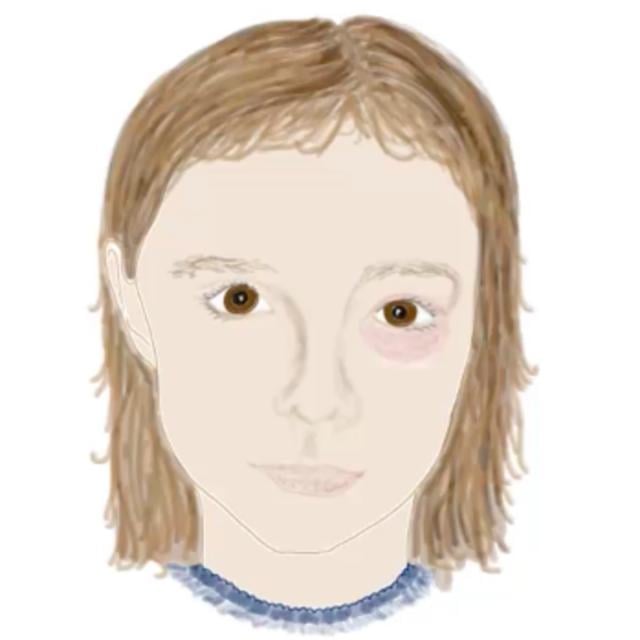
What is it like to live with and recover from psychosis? Why are people with psychosis spectrum disorders such as Schizophrenia more likely to have serious medical problems? What can healthcare providers do to improve this population’s experience of and access to care? Why is Trauma-Informed Care particularly relevant to people living with psychosis? In this course, learners will explore these and other questions as they gain a deeper understanding of psychosis-spectrum disorders.

Class Deals by MOOC List - Click here and see Coursera's Active Discounts, Deals, and Promo Codes.

Participants will learn about the signs and symptoms of psychosis; the treatments that work; the promising directions in research; and the skills and strategies that may help engage this population in medical settings. Academic lectures are interspersed with interviews with expert therapists, psychiatrists, researchers, and people living with psychosis. After completing this activity, participants will be able to summarize the health disparities facing people with psychosis, determine reasons why these health disparities exist, and illustrate examples of communication styles that can help promote health in this population.

What you'll learn

  • Define psychosis
  • Describe the health disparities associated with psychosis-spectrum disorders
  • Utilize strategies that improve engagement of individuals with psychosis in healthcare
  • Explain the relevance of Trauma-Informed Care to psychosis-spectrum disorders

Syllabus

Module 1: Psychosis Fundamentals
During the first course module, participants will be introduced to the course; will learn key terms related to psychosis; and will learn more about what it is like to have a psychosis episode.

Module 2: Mental Health Services: History and New Directions
During the second course module, participants will learn the evidence-based treatment approaches for psychosis; will gain a historical perspective on mental health treatment; and will learn techniques that are helpful for engaging people with psychosis in healthcare.

Module 3: Psychosis and Health
During the third course module, participants will gain a better understanding of the health disparities facing individuals living with psychosis spectrum disorders, as well as potential solutions.

Module 4 : Trauma-Informed Care
During the fourth and final course module, participants will learn about Trauma-Informed Care and why it is particularly important in providing healthcare for people with psychosis.


Go to Class
MOOC List is learner-supported. When you buy through links on our site, we may earn an affiliate commission.

Related Courses

Chemicals and Health (Coursera) Coursera
Johns Hopkins University

Chemicals and Health (Coursera)

This course covers chemicals in our environment and in our bodies and how they impact our health. It addresses policies and practices related to chemicals, particularly related to how they get into our bodies (exposures), what they do when they get there (toxicology), how we measure them (biomonitoring) and their impact on our health. Most examples are drawn from the US.

Aug 17th 2026
5-12 Weeks
Weight Management: Beyond Balancing Calories (Coursera) Coursera
Emory University

Weight Management: Beyond Balancing Calories (Coursera)

Across the globe, more people are suffering from obesity than at any other time in our history. Why has obesity become so common and so challenging? In this course, we will look at the root cause of obesity, as explained by the latest science. We will see how our food environment has evolved over the last half-century, and how it is altering our biology to over-consume calories and resist sustained weight loss.

Aug 17th 2026
5-12 Weeks
Clinical Kidney, Pancreas and Islet Transplantation (Coursera) Coursera
Leiden University,Leiden University Medical Center

Clinical Kidney, Pancreas and Islet Transplantation (Coursera)

Kidney transplantation is a major advance of modern medicine which provides high-quality of life for patients with end-stage renal disease. What used to be an experimental, risky, and very limited treatment option more than 50 years ago is now routinely performed in many countries worldwide. The number of renal transplants is expected to rise sharply in the next decade since the proportion of patients with end stage renal disease is increasing.

Aug 17th 2026
4 Weeks
Biochemical Principles of Energy Metabolism (Coursera) Coursera
Korea Advanced Institute of Science and Technology - KAIST

Biochemical Principles of Energy Metabolism (Coursera)

Everyone knows that energy is essential for sustaining life. How can you define energy in life? Have ever thought about ways of how carbohydrates like glucose from your diet can be used for extracting energy? A scientific field that focuses on energy production and flow though living cells and organisms is called bioenergetics. Energy metabolism covers various biochemical ways of energy transformation and regulatory mechanisms of over thousands chemical reactions. Without fine control of those metabolic processes, cells and organisms cannot maintain activities linked to life.

Aug 17th 2026
5-12 Weeks
Medical Cannabis for Pain Control (Coursera) Coursera
Technion - Israel Institute of Technology

Medical Cannabis for Pain Control (Coursera)

Cannabis is a group of flowering plants that has been long used for industrial, recreational and medical purposes. When relating to its medical use, the terms "Medical Cannabis" or "Medical marijuana" has become prevalent. In this course we will use the term "Medical Cannabis". Nowadays, Medical Cannabis involves multiple medical disciplines such as neuroscience, pain, pharmacology, oncology, psychiatry and more. Moreover, it has cultural, agricultural and social, legal and political implications.

Aug 17th 2026
5-12 Weeks
The Social Context of Mental Health and Illness (Coursera) Coursera
University of Toronto

The Social Context of Mental Health and Illness (Coursera)

Learn how social factors promote mental health, influence the onset and course of mental illness, and affect how mental illnesses are diagnosed and treated. This course explores how our understanding of mental health and illness has been influenced by social attitudes and social developments in North America and around the world. The course begins by situating our contemporary mental health practices in historical context, then looks at different aspects of mental health, mental illness and mental health services and their connections to what’s going on in our social environment.

Aug 17th 2026
5-12 Weeks
Everyday Chinese Medicine (Coursera) Coursera
The Chinese University of Hong Kong

Everyday Chinese Medicine (Coursera)

This course aims to serve as an education platform on Chinese medicine (CM) for the general public. Our primary goal is to empower healthcare choices by promoting awareness and practical application on CM diagnostic and therapeutic approaches, as well as regulation on CM services and herbal products using international examples.

Aug 17th 2026
5-12 Weeks
Feeding the World (Coursera) Coursera
University of Pennsylvania

Feeding the World (Coursera)

This course will explore the concepts driving current food production science (population growth, urbanization, emerging affluence, resource constraints, and underlying biological limits) with the main focus on livestock production. Each of the major food animal species (dairy, swine, beef, and poultry) will be covered in terms of their universal life cycles, constraints to production and emerging societal issues.

Aug 17th 2026
5-12 Weeks
Schizophrenia (Coursera) Coursera
Wesleyan University

Schizophrenia (Coursera)

The main goal of this class are to gain an introductory exposure to the nature of the psychiatric disorder known as schizophrenia as revealed by the scientific method. We will discuss a broad range of findings from the scientific investigation of biological and psychological factors related to schizophrenia and its treatment.

Aug 17th 2026
5-12 Weeks
Epidemiology: The Basic Science of Public Health (Coursera) Coursera
University of North Carolina

Epidemiology: The Basic Science of Public Health (Coursera)

Often called “the cornerstone” of public health, epidemiology is the study of the distribution and determinants of diseases, health conditions, or events among populations and the application of that study to control health problems. By applying the concepts learned in this course to current public health problems and issues, students will understand the practice of epidemiology as it relates to real life and makes for a better appreciation of public health programs and policies. This course explores public health issues like cardiovascular and infectious diseases – both locally and globally – through the lens of epidemiology.

Aug 17th 2026
5-12 Weeks
HPV-Associated Oral and Throat Cancer: What You Need to Know (Coursera) Coursera
Icahn School of Medicine at Mount Sinai

HPV-Associated Oral and Throat Cancer: What You Need to Know (Coursera)

This course, offered by the Department of Otolaryngology – Head and Neck Surgery at the Icahn School of Medicine at Mount Sinai, is designed to inform primary care physicians and otolaryngologists (general and head and neck surgeons), as well as medical students, residents, nurses, physician assistants, medical assistants, about HPV-associated oral and throat cancers. It is also applicable to individuals who wish to broaden their knowledge and vernacular about this disease process, especially those who may have been diagnosed with HPV and/or HPV-associated oropharyngeal cancers.

Aug 17th 2026
5-12 Weeks