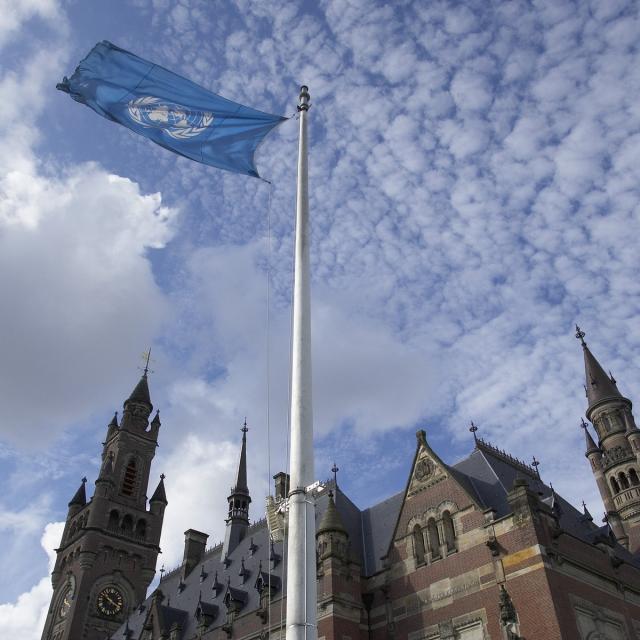
From the Nuremberg trial to the case against Saddam Hussein, from the prosecution of Al-Qaeda terrorists to the trial of Somali pirates – no area of law is as important to world peace and security as international criminal law. Taught by one of the world’s leading experts in the field, this course will educate students about the fundamentals of international criminal law and policy. We will explore the contours of international crimes such as genocide, war crimes, terrorism, and piracy. We will examine unique modes of international criminal liability and specialized defenses. And we will delve into the challenges of obtaining custody of the accused and maintaining control of the courtroom.
Class Deals by MOOC List - Click here and see Coursera's Active Discounts, Deals, and Promo Codes.
Course Syllabus
This course comprises eight units (or "modules"). Each will include an assigned reading, typically an article or book chapter, as well as a simulation designed to bring the readings to life. I will also offer video lectures on each of the topics, accompanied by slides. In addition, there will be online role-play exercises and debates, enabling the students to share their own insights. The order of class sessions will be:
(1) History: From Nuremberg to The Hague
(2) International Crimes Part 1: War Crimes, Genocide, Crimes against Humanity, and Torture
(3) International Crimes Part 2: Terrorism and Piracy
(4) Special modes of liability: command responsibility, co-perpetration, and incitement
(5) Special defenses: insanity, obedience to orders, duress, and head of state immunity
(6) Gaining custody of the accused: extradition, luring, abduction, and targeted killing
(7) Pre-Trial Issues: plea bargaining, self-representation, and exclusion of torture evidence
(8) Maintaining control of the courtroom
Syllabus
WEEK 1
Introduction
This introduction will give the learner a brief outline as to how the course is structured, how it will be graded and the ideal pace at which the course should be completed. This module includes a primer on international law that will introduce students with limited backgrounds on international law to the basic foundations of the field. This lesson also includes a video lecture and readings that outline the brief history of international criminal law starting with the Nuremberg Trials. Lastly, this module explores the legacy of the Nuremberg Court and lets students apply the lessons learned from Nuremberg to a fictional fact pattern through a set of simulations.
WEEK 2
Peace Versus Justice
This lesson includes a video lecture and readings that elaborate on the tensions between peace and justice in international law and diplomacy. This lesson specifically explores the limits placed on the international duty to prosecute certain crimes and surveys the breaches of international law that require a duty to prosecute.
WEEK 3
Terrorism and Piracy
This lesson includes a video lecture and readings that discuss the international definition of terrorism and why reaching such a definition has become a divisive issue in international law. This lesson further discusses the intricacies of the modern international classifications of piracy. Lastly, this lesson includes a simulation that allows students to apply the issues discussed in the readings and lecture to a fictional UN conference.
WEEK 4
Unique Modes of Liability
This lesson contains a video lecture and readings that explore the unique attributes of different forms of criminal responsibility in international law including command responsibility, joint criminal liability, control of the crime doctrine and incitement. This lesson also involves a simulation that allows students to apply the issues discussed in the readings and lecture to a fictional fact pattern.
WEEK 5
Specialized Defenses
This lesson includes a video lecture and readings that discuss the different defenses that exist for accused persons tried under international law. This lesson specifically explores the defenses of mental defect, intoxication, obedience to orders and head of state immunity. This lesson also includes a set of simulations that allow students to apply the issues discussed in the readings and lecture to two real life scenarios.
WEEK 6
Gaining Custody of the Accused
This lesson includes a video lecture and readings that explore the options countries have in attempting to gain custody over an accused person under international law. Specifically, the lesson discusses countries’ use of tactics like abduction, luring, extradition and targeted killing. This lesson also includes a set of simulations that allow students to apply the issues discussed in the readings and lecture to one fictional fact pattern and one real life scenario.
WEEK 7
Pre-Trial Issues
This lesson includes a video lecture and readings that examine the major pre-trial issues that are presented in international courts. Specifically, this lesson analyzes the problems that come from self-representation, plea-bargaining and the exclusion of evidence. This lesson also includes a set of simulations that allow students to apply the issues discussed in the readings and lecture to two real life issues that have come before international tribunals.
WEEK 8
Maintaining Control of the Courtroom
This lesson includes a video lecture and readings on how, in the face of the problems discussed in the previous lesson, order is maintained in modern international courtrooms. The lesson also includes a simulation that allows students to apply the issues discussed in the readings and lecture to a fictional fact pattern.