EdX

Human Anatomy and Physiology I (edX)

Human Anatomy and Physiology I (edX)

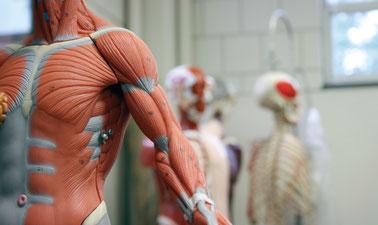
Examine the structure, function, and interdependence of the human body system. You’ll discover and gain significant knowledge of four of the 11 body systems including the integumentary, skeletal, muscular and nervous systems.

Class Deals by MOOC List - Click here and see EdX's Active Discounts, Deals, and Promo Codes.

An in-depth understanding of the human body is critical knowledge to anyone looking to work in healthcare. Starting at the cellular and molecular levels, you’ll concentrate on the organization of the human body as a symbiotic system. After gaining this baseline knowledge, you’ll dive deeper into specific systems. From terminology and identification to diseases and treatment, you’ll acquire key foundational knowledge about the human body and four of the 11 body systems: integumentary, skeletal, muscular and nervous.
This course is the first of two examining the structure, function and interdependence of human body systems. The remaining seven systems are covered in the second SNHUx course, Anatomy and Physiology II. Combined, the two courses cover all body systems.
You’ll also explore resources that walk you through the identification and treatment of different diseases for the four systems.
As a verified track learner, you will have access to interactive case studies and will be able to check your understanding as you progress through the course materials with short quizzes and a final exam.
After this course, you should be able to:

  • Identify human body systems, organs, structures and their functions
  • Identify anatomical locations of systems within the human body in comparison to other organ systems
  • Use correct terminology to describe the location of human body systems and body cavities
  • Describe the process of how homeostasis is maintained in human body systems
  • Identify healthy and unhealthy functioning of human body systems
  • Identify disease conditions that impact the integumentary, tissues, skeletal, muscular and nervous systems using scientific and evidenced-based research
  • Describe research that supports strategies for prevention, diagnosis and treatment of disease in human body systems

What you'll learn
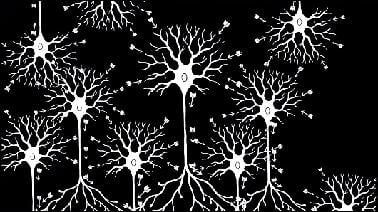
This course starts at the cellular and molecular levels and the organization of the human body before focusing on four of the eleven body systems: integumentary, skeletal, muscular and nervous.
After completing this course, you should able to:

  • Describe the location and functions of human body systems using appropriate terminology
  • Analyze the interactions between human body systems for how they work together to achieve a healthy state
  • Analyze research on human body systems for identifying evidence-based prevention, diagnosis and treatment strategies for related diseased states
Go to Class
MOOC List is learner-supported. When you buy through links on our site, we may earn an affiliate commission.

Related Courses

Human Anatomy: Musculoskeletal Cases (edX) EdX
HarvardX,Harvard University

Human Anatomy: Musculoskeletal Cases (edX)

Learn the anatomy basic to understanding five musculoskeletal injuries commonly seen in primary care medicine and orthopedic clinical specialty practice. Follow hypothetical patients from injury to operating room. Human Anatomy: Musculoskeletal Cases invites students to join medical and basic science faculty at Harvard Medical School (HMS) to learn about musculoskeletal injuries commonly seen in clinical practice.

Self Paced
Self-Paced
Ergonomics in Design (edX) EdX
The Hong Kong University of Science and Technology - HKUST,HKUSTx

Ergonomics in Design (edX)

The course is designed to provide a basic understanding of ergonomics in design through the introduction of human anatomy, anthropometry, and modeling techniques with the aim of improving safety, productivity, comfort and health of people. Ergonomics is the application of scientific information about people in order to design products and systems so that they are safe, productive, comfortable and healthy for people to use.

Self Paced
Self-Paced
Global Warming Science (edX) EdX
MIT,MITx

Global Warming Science (edX)

Learn about the physics, chemistry, biology, and geology of the earth’s climate system. Global Warming Science teaches you about the risks and uncertainties of future climate change by examining the science behind the earth’s climate. You will be able to answer such questions as, “What is the Greenhouse Effect?” and “How and why has earth’s climate changed through geologic history?”

No sessions available
13-24 Weeks
Algorithms and Data Structures Capstone (edX) EdX
University of California, San Diego,UC San DiegoX

Algorithms and Data Structures Capstone (edX)

Synthesize your knowledge of algorithms and biology to build your own software for solving a biological challenge. Building a fully-fledged algorithm to assemble genomes from DNA fragments on a real dataset is an enormous challenge with major demand in the multi-billion dollar biotech industry. In this capstone project, we will take the training wheels off and let you design your own optimized software program for genome sequencing.

Self Paced
Self-Paced
Irrigation Efficiency: more food with less water (edX) EdX
KU Leuven University,KULeuvenX

Irrigation Efficiency: more food with less water (edX)

Learn to improve the efficiency of different irrigation system components over varying scales in order to extract less water from our resources while producing more food. How can we meet the demands of our ever hungrier and thirstier world? Irrigation water uses 70% of the fresh water extraction worldwide to produce 40% of the food.

Self Paced
Self-Paced
Foundations of Client Care 1: Human Body and Disease Basics (edX) EdX
Osmosis,OsmosisFromElsevier

Foundations of Client Care 1: Human Body and Disease Basics (edX)

A review of the structure and function of human body systems and basics of disease. This is the first course in the Foundations of Client Care program offered by Osmosis from Elsevier. The Human Body and Disease Basics course reviews with learners basic human development concepts and discusses the structure, function, and common disorders and/or injuries of various body systems.

Self Paced
Self-Paced
Specialized Cells (edX) EdX
University of Queensland,UQx

Specialized Cells (edX)

An introduction to cell physiology. Learn how specialized cells perform specific functions. The human body is composed of trillions of cells working together to perform essential body functions. Cells operate in a regulated internal environment, with different types of cells having unique properties suited to their specific functions. In this course we will dive into the complex world of human physiology, starting at the cellular level.

May 31st 2022
5-12 Weeks
Introduction to Biology - The Secret of Life (edX) EdX
MIT,MITx

Introduction to Biology - The Secret of Life (edX)

Explore the secret of life through the basics of biochemistry, genetics, molecular biology, recombinant DNA, genomics and rational medicine. 7.00x is an introductory level biology course hosted by professor Eric Lander, who was one of the leaders of the Human Genome Project. The course content reflects the topics taught in the MIT introductory biology courses and many biology courses across the world.

Mar 12th 2024
13-24 Weeks
Bipedalism: The Science of Upright Walking (edX) EdX
DartmouthX

Bipedalism: The Science of Upright Walking (edX)

Upright walking is a hallmark of being human. Explore how this unusual form of locomotion evolved and why. Have you ever wondered why humans walk on two legs rather than four? In this course, we will explore how science investigates this unusual form of locomotion. We will start our investigation by looking at the mechanics of upright walking in humans and comparing that to bipedal locomotion in large birds, bears, and apes.

Self Paced
5-12 Weeks
Cell Biology: Mitochondria (edX) EdX
HarvardX,Harvard University

Cell Biology: Mitochondria (edX)

A human-centered approach to the fundamentals of cell biology with a focus on the power plants of the cell - mitochondria. The cell is a powerful case study to help us explore the functional logic of living systems. All organisms, from single-celled algae to complex multicellular organisms like us, are made up of cells. In this course, you will learn the how and why of biology by exploring the function of the molecular components of cells, and how these cellular components are organized in a complex hierarchy.

Self Paced
Self-Paced