How to Make a Short Film: An Introduction to Filmmaking (FutureLearn)

How to Make a Short Film: An Introduction to Filmmaking (FutureLearn)

Do you have a passion for film? Learn the key skills of filmmaking in this practical course from the BFI. Kick-start your filmmaking practice with simple techniques and basic equipment. Film is the ideal medium for telling stories, communicating ideas, and entertaining friends and family, so why leave it to the professionals? This course has been specially designed to help anyone interested in filmmaking to master the essentials and start making their own work.

Class Deals by MOOC List - Click here and see FutureLearn's Active Discounts, Deals, and Promo Codes.

Each week, our step-by-step guide will help develop your skills and enhance your understanding of the medium. Starting with the significance of a single shot, you will find out how films tell stories, consider how to show movement, and use sound. You will also discover how to script and storyboard, organise a shoot, choose what to film, and plan and polish your work in the editing process.
You will learn by interrogating a wide range of British films including student work from the BFI Film Academy, archive titles from the BFI National Archive, and videos specially created by your course leader. There will also be plenty of opportunities to learn from each other as you are encouraged to share and discuss your ideas, experiences, and what you have made.

Syllabus

Week 1: First positions: the basics of film
Week 2: Mark it: what makes film unique
Week 3: Action: filmmaking challenge
Week 4: It's a wrap: finishing your film

What will you achieve?
By the end of the course, you‘ll be able to...

  • Apply filmmaking techniques and concepts learnt on the course in a practical way
  • Develop an understanding of the basic skills required to make a film
  • Engage with and learn from a wide range of films from archive titles to student work
  • Practice a range of filmmaking skills such as framing a shot, using camera movement and editing a sequence
  • Demonstrate the ability to read a film scene
  • Describe the different ways that film can show the passing of time
  • Identify the different types of film sound and think about how to apply them to your own work
  • Create a short film, from the initial idea to a finished video

Who is the course for?
From absolute beginners to those wanting to refresh their skills, How to Make a Short Film is designed for anyone with a passion for film and filmmaking.
You might be a student or filmmaker at the start of your career, a professional who wants to incorporate film into your work, or an educator - such as a teacher, youth worker or arts practitioner, who needs the skills to support and develop the work of others.
You might also want to try filmmaking as an expressive activity in itself, experimenting with different techniques, and using the activities to discover the creative potential of the medium.

What software or tools do you need?
To take part in the course, you will need something to film with and something to edit on. You could film and edit with just a smartphone or tablet, but using a still camera or camcorder provides you with more creative options. It is also easier to do more ambitious editing on a computer, particularly if you have access to a program like Adobe Premiere Pro or Final Cut Pro.
The course requires you to have a video editing program or app. You could use a free program like iMovie, VN Editor or Hitfilm Express. Pro options include Adobe Premiere Pro CC or Final Cut Pro.
Using a tripod, handle/filming case (for a smartphone) or a stabiliser will help you film steady shots. A basic clip-on ‘lavalier’ microphone and headphones helps improve sound quality, but are not essential. To make the most of natural light you could also use some affordable folding reflectors.
Last but not least, you will need one or two friends or family members who are happy to be filmed!
Go to Class
MOOC List is learner-supported. When you buy through links on our site, we may earn an affiliate commission.

Related Courses

Creating Audio Description: Equality, Diversity, and Inclusion (FutureLearn) FutureLearn
Royal Holloway, University of London,Vocal Eyes

Creating Audio Description: Equality, Diversity, and Inclusion (FutureLearn)

Explore how to design and create audio descriptions and audio introductions that fully represent a film, play, or TV programme. Design inclusive audio descriptions for film, theatre, and TV Audio description (AD) is a key means by which the full diversity of a programme, film, or live performance can be conveyed, allowing for greater participation and engagement from audiences.

Self Paced
4 Weeks
Scandinavian Film and Television (Coursera) Coursera
University of Copenhagen

Scandinavian Film and Television (Coursera)

IIn many ways Scandinavian film and television is a global cultural brand, connected with and exporting some of the cultural and social values connected to a liberal and progressive welfare society. This course deals with the social, institutional and cultural background of film and television in Scandinavia and in a broader European and global context.

Jun 15th 2026
5-12 Weeks
The Essential Financial Management Toolbox for Film, Screen and Broadcast (FutureLearn) FutureLearn
Australian Film Television and Radio School - AFTRS

The Essential Financial Management Toolbox for Film, Screen and Broadcast (FutureLearn)

Discover how managing finances dictates your creative business world. Learn key tools needed for successfully financed projects. Become Empowered in Financing Creative Projects Arm yourself with a deeper understanding of the financial skills required to begin the journey to successfully financing a new project.

Self Paced
3 Weeks
Film, Images & Historical Interpretation in the 20th Century: The Camera Never Lies (Coursera) Coursera
University of London,Royal Holloway, University of London

Film, Images & Historical Interpretation in the 20th Century: The Camera Never Lies (Coursera)

This course is a short taster on the topic of the use of Images, Film, and their use in historical interpretation in the 20th century. It is primarily provided for those who have a general interest in history that draws on photojournalism as primary evidence, and films based on historical events.

Oct 5th 2026
5-12 Weeks
Hollywood: History, Industry, Art (edX) EdX
University of Pennsylvania

Hollywood: History, Industry, Art (edX)

Explore the history of Hollywood, from Edison and the birth of film to the rise of the internet. In this course you will learn about Hollywood and how it came to be the global powerhouse of today. We will discuss the complex Hollywood industry and how business and politics translate into the art of film, TV, and new media.

Self Paced
Self-Paced
Introduction to Aerial Videography: Creative Direction for Drone Filming (Skillshare) Skillshare
Skillshare

Introduction to Aerial Videography: Creative Direction for Drone Filming (Skillshare)

Join aerial cinematographers Wild Rabbit and drone experts DJI for an all-access introduction to capturing aerial footage with the latest drone technology! This 45-minute, on-location class covers gear, camera maneuvers, shooting practices, and more — and it's the perfect way to get started using aerial footage in all your creative projects.

Self Paced
Self-Paced
Advanced Aerial Videography: Storytelling with Subjects  (Skillshare) Skillshare
Skillshare

Advanced Aerial Videography: Storytelling with Subjects (Skillshare)

Learn advanced drone videography techniques to take your aerial footage to the next level. This 50-minute class — the second installment from Wild Rabbit Productions and DJI — covers how to create a narrative by planning and executing a film shoot with a moving subject. Looking to add a pro touch to your video projects? This class is for you.

Self Paced
Self-Paced
Hong Kong Cinema through a Global Lens (edX) EdX
University of Hong Kong,HKUx

Hong Kong Cinema through a Global Lens (edX)

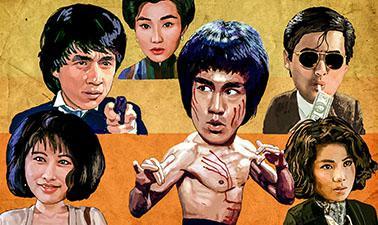
Explore globalization through Hong Kong film classics of Bruce Lee, Jackie Chan, and Maggie Cheung, among others. Hong Kong Cinema has a global reach. Let’s explore how it reached you… Perhaps you know the films of martial arts icons Bruce Lee and Jackie Chan or the heroic bloodshed films of John Woo. Perhaps you are a fan of stars such as Maggie Cheung or Chow Yun Fat. Maybe you admire works by directors such as Wong Kar Wai.

Self Paced
Self-Paced
Introduction to Production Design for Film and Screen (FutureLearn) FutureLearn
Australian Film Television and Radio School - AFTRS

Introduction to Production Design for Film and Screen (FutureLearn)

Explore the craft of Production Design with award-winning filmmakers and learn how it adds meaning and depth to screen stories. Production Design is at the heart of making memorable screen stories. This course provides a basic understanding of the role of the Production Designer on feature films, short films, TV, live action, animation or game design.

Self Paced
3 Weeks
How to Read a Film (FutureLearn) FutureLearn
Film Distributors' Association

How to Read a Film (FutureLearn)

Delve into the devices used to create meaning in film as you gain a deeper understanding of what we see on screen. Master film studies as you learn how films create meaning. When you watch a film there are many elements working together to produce what you see and hear. The different elements, known as devices, have been carefully constructed so that your attention is drawn to certain things at certain times, forming the way in which a film communicates its story. On this five-week course, you’ll unpack these elements to discover how they work, what they are called, and how they work together.

Self Paced
5-12 Weeks
Understanding Media: Introduction to Media Literacy and Representation (FutureLearn) FutureLearn
The University of Newcastle, Australia

Understanding Media: Introduction to Media Literacy and Representation (FutureLearn)

How does the media affect us? Find out and improve your media literacy by learning how to analyse media, film and culture. Develop your media literacy skills and explore our relationship with media. So many of the defining moments in our lives are connected in some way to media. Media are a central part of how we live, work and play.

Jul 19th 2021
3 Weeks